A healthy dinner plays a key role in your overall well-being. It supports digestion and helps your body recover after a long day. Moreover, the right foods at night improve sleep quality and energy levels.
However, many people ignore dinner quality and focus only on breakfast or lunch. This habit often leads to poor nutrition and low energy. As a result, the body misses important nutrients needed for recovery.
This guide explains what to eat for a healthy dinner and why it matters. It also helps you make smarter food choices every night.
“Healthy dinner fuels better nights and stronger mornings.”
What Makes a Healthy Dinner?

A healthy dinner brings balance to your plate and supports your body overnight. It includes the right mix of protein, fiber, and healthy fats. Protein helps repair muscles and keeps you full longer. Meanwhile, fiber improves digestion and supports gut health. Healthy fats also play a key role, as they help your body absorb nutrients and maintain energy levels.
In addition, a healthy dinner avoids excess sugar and heavily processed foods. These foods can disrupt digestion and affect sleep quality. Instead, whole and natural ingredients create better results. For example, fresh vegetables, lean proteins, and whole grains provide steady energy without spikes.
Balance remains the most important factor in building a healthy dinner. Each nutrient works together to support long-term health. When you combine them properly, your body feels satisfied and energized. Over time, this simple habit improves overall wellness and helps maintain a healthy lifestyle.
Key Nutrients in a Healthy Dinner
A healthy dinner depends on the right nutrients working together. Each nutrient supports a specific function in your body. When combined, they improve digestion, energy, and overall health.
Protein for Repair and Satiety
Protein plays a major role in muscle repair and recovery. After a long day, your body needs it to rebuild tissues. Moreover, protein keeps you full for longer periods. This helps prevent late-night snacking. Good sources include chicken, fish, eggs, beans, and tofu. Adding protein to your healthy dinner also stabilizes blood sugar levels.

Fiber for Better Digestion
Fiber supports smooth digestion and improves gut health. It helps your body process food more efficiently. In addition, fiber keeps you satisfied without adding excess calories. Vegetables, fruits, and whole grains provide rich fiber sources. A fiber-rich healthy dinner also reduces bloating and supports regular bowel movements.
Healthy Fats for Brain and Hormones
Healthy fats are essential for brain function and hormone balance. They help your body absorb important vitamins like A, D, E, and K. Furthermore, these fats provide steady energy throughout the night. Foods like avocados, nuts, seeds, and olive oil are excellent choices. Including them in your healthy dinner improves overall balance.
Vitamins and Minerals for Immunity
Vitamins and minerals strengthen your immune system and support body functions. They help fight infections and keep your body active. Leafy greens, colorful vegetables, and fruits are rich in these nutrients. A nutrient-dense healthy dinner ensures your body gets everything it needs to stay healthy.
Key Nutrients in Dinner
A healthy dinner provides essential nutrients that support your body overnight. Each nutrient plays a specific role in recovery and overall health. When combined, they improve digestion, energy, and long-term wellness.
Protein for Muscle Repair
Protein helps repair and rebuild muscles after daily activity. It also keeps you full for longer, which reduces late-night cravings. In addition, protein supports metabolism and maintains strength. Good sources include chicken, fish, eggs, beans, and tofu.

Fiber for Digestive Health
Fiber improves digestion and keeps your gut healthy. It helps move food smoothly through the digestive system. Moreover, fiber adds fullness without extra calories. Vegetables, fruits, and whole grains are excellent sources. Including fiber in your healthy dinner supports regular digestion.
Healthy Fats for Body Balance
Healthy fats support brain function and hormone production. They also help your body absorb key nutrients. Furthermore, these fats provide steady energy throughout the night. Foods like nuts, seeds, avocados, and olive oil are great options.
Vitamins and Minerals for Immunity
Vitamins and minerals boost your immune system and protect your body. They help fight infections and support daily functions. Leafy greens, fruits, and colorful vegetables are rich in these nutrients. A nutrient-rich healthy dinner helps your body stay strong and balanced.
Best Healthy Dinner Foods You Should Eat
A healthy dinner includes a mix of nutrient-rich foods that support your body overnight. Each food group plays a unique role. When combined, they create a balanced and satisfying meal.
Lean Protein Options
Lean protein helps build muscle and control hunger. It also supports recovery after daily activity. Moreover, protein keeps you full and reduces late-night cravings. Chicken breast, fish, eggs, and tofu are excellent choices. These foods are rich in nutrients and low in unhealthy fats. Adding protein to your healthy dinner improves strength and overall health.

Whole Grains for Energy
Whole grains provide steady and slow-release energy. They help maintain stable blood sugar levels. In addition, whole grains support digestion due to their fiber content. Brown rice, quinoa, and whole wheat are great options. Including these in your healthy dinner keeps you energized and satisfied for longer.
Vegetables for Nutrients
Vegetables are rich in vitamins, minerals, and fiber. They support immunity and improve digestion. Furthermore, they add volume to your meal without many calories. Broccoli, spinach, carrots, and bell peppers are excellent choices. A colorful plate ensures your healthy dinner delivers essential nutrients.
Healthy Fats to Include
Healthy fats improve heart health and increase satiety. They also help your body absorb important vitamins. In addition, these fats provide lasting energy and support brain function. Avocados, nuts, and olive oil are great sources. Including healthy fats in your healthy dinner creates better balance and satisfaction.
Foods to Avoid at Dinner
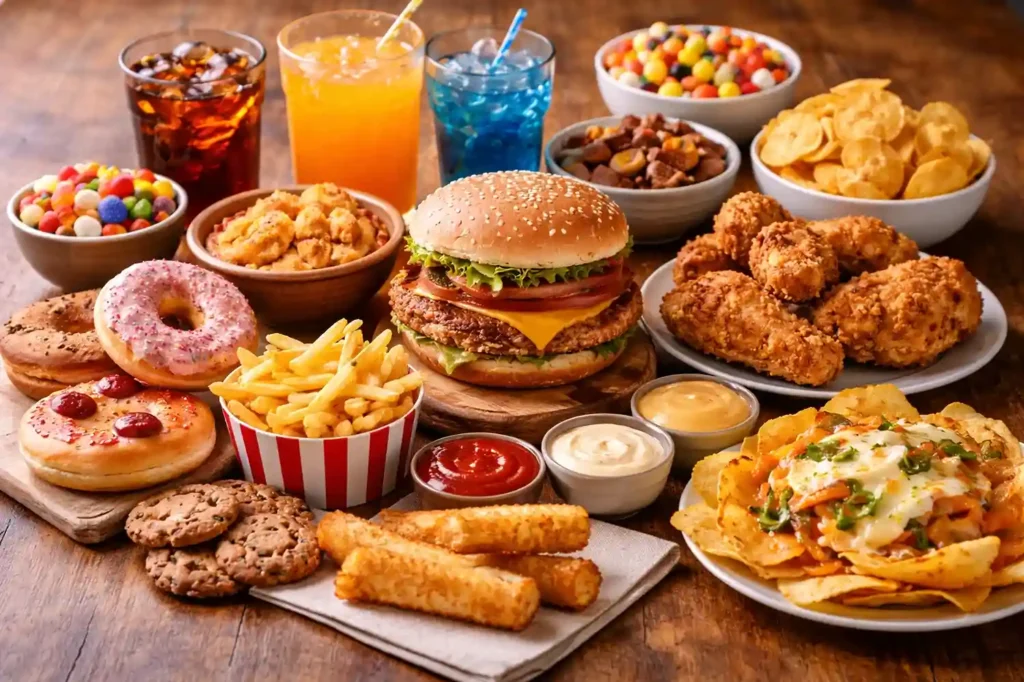
A healthy dinner is not only about what you eat but also what you avoid. Certain foods can disrupt digestion and affect sleep quality. Choosing the wrong items at night often leads to discomfort and low energy the next day.
Processed Foods
Processed foods often contain preservatives, excess salt, and unhealthy fats. These ingredients slow digestion and put extra stress on your body. Moreover, they offer low nutritional value. Avoiding processed foods helps your healthy dinner remain clean and balanced.
Sugary Drinks
Sugary drinks can disturb your sleep and spike blood sugar levels. They may give quick energy, but that effect fades fast. As a result, you may feel restless at night. Replacing them with water or herbal drinks supports a healthier dinner routine.
Heavy Fried Meals
Heavy fried foods are difficult to digest, especially at night. They can cause bloating and discomfort before sleep. In addition, excess oil increases calorie intake without adding real nutrients. Choosing lighter cooking methods makes your healthy dinner easier on the stomach and better for overall health.
Quick Healthy Dinner Ideas for Busy Nights
Common Mistakes to Avoid
A healthy dinner can lose its benefits when common mistakes slip in. Even healthy foods can cause issues if habits are not balanced. Avoiding these mistakes helps improve digestion, sleep, and overall results.
Skipping Dinner Completely
Skipping dinner may seem like a quick way to cut calories. However, it often leads to low energy and poor recovery. Moreover, it can increase hunger later at night. This may result in unhealthy snacking. Eat a light and balanced healthy dinner works better for long-term health.

Eating Too Late at Night
Eating too late can disturb digestion and sleep quality. Your body needs time to process food before rest. As a result, late meals may cause discomfort or poor sleep. Try to finish your healthy dinner at least two to three hours before bedtime.
Overeating Healthy Foods
Healthy foods are beneficial, but portion size still matters. Eating too much can lead to excess calorie intake. In addition, overeating may cause bloating and discomfort. Keeping portions balanced ensures your healthy dinner stays effective.
Ignoring Portion Control
Portion control plays a key role in maintaining balance. Large portions can strain digestion, even with nutritious foods. Meanwhile, smaller portions help your body process food easily. A well-portioned healthy dinner supports better energy and overall wellness.
How to Build a Healthy Dinner Habit
Building a healthy dinner habit takes planning and consistency. Small daily actions create long-term results. When you follow a simple routine, healthy eating becomes easier and more natural.
Plan Meals in Advance
Planning your meals saves time and reduces stress. It also helps you make better food choices. Moreover, you avoid last-minute unhealthy options. A weekly plan keeps your healthy dinner organized and balanced.

Keep Ingredients Ready
Having ingredients ready makes cooking faster and easier. Wash and cut vegetables in advance when possible. In addition, stock your kitchen with basic healthy items. This step ensures your healthy dinner stays consistent, even on busy days.
Start with Simple Recipes
Simple recipes reduce effort and save time. You do not need complex meals to eat healthy. Instead, focus on easy combinations of protein, grains, and vegetables. Starting simple helps you stick to your healthy dinner routine without feeling overwhelmed.
Stay Consistent for Results
Consistency builds lasting habits over time. Even small efforts each day make a big difference. Furthermore, regular healthy dinners improve energy and overall health. Stick to your routine, and results will follow naturally.
Best Time to Eat a Healthy Dinner
Choosing the right time for a healthy dinner plays a key role in digestion and sleep. Your body follows a natural rhythm, so eating at the right time helps it function better. Moreover, proper timing improves energy levels and overall health.
Ideal Timing for Digestion and Sleep
Eating dinner at the right time supports smooth digestion. Ideally, you should eat your healthy dinner 2 to 3 hours before bedtime. This gap allows your body to process food properly. As a result, you sleep better and feel lighter at night. Early dinners also reduce the risk of discomfort and bloating.

How Late Eating Affects Metabolism
Eating too late can slow down your metabolism. Your body becomes less active at night, so it burns fewer calories. In addition, late meals may lead to fat storage instead of energy use. This habit can also disturb sleep and cause indigestion. Therefore, keeping your healthy dinner earlier helps maintain balance.
Simple Timing Tips for Better Health
You can improve your routine with small changes. Try to fix a consistent dinner time each day. Also, avoid heavy meals close to bedtime. If you feel hungry later, choose light and healthy options. Planning your meals in advance makes timing easier. Following these tips helps your healthy dinner support better health and restful sleep.
Healthy Dinner for Weight Loss
A healthy dinner plays an important role in weight loss. The right foods help control calories while keeping you full. Moreover, a balanced dinner prevents late-night cravings and supports steady progress.
Low-Calorie Food Combinations
Low-calorie meals help create a calorie deficit without causing hunger. Pair lean protein with high-fiber vegetables for better results. For example, grilled chicken with steamed broccoli or a vegetable salad with beans works well. In addition, soups and stir-fries with minimal oil are great options. These combinations keep your healthy dinner light yet satisfying.

High-Protein Dinner Ideas
Protein helps preserve muscle and increases fullness. It also reduces the urge to snack after dinner. Good options include grilled fish with vegetables, eggs with sautéed spinach, or tofu stir-fry. Moreover, protein supports metabolism and recovery. Including it in your healthy dinner makes weight loss more effective and sustainable.
Portion Control Strategies
Portion control is essential for managing calorie intake. Even healthy foods can lead to weight gain if eaten in excess. Use smaller plates to manage portions easily. Also, fill half your plate with vegetables, one-quarter with protein, and the rest with whole grains. Eating slowly helps you recognize fullness. These simple habits make your healthy dinner more effective for weight loss.
FAQs About Healthy Dinner
“Every healthy dinner you choose today builds a stronger, healthier you tomorrow.”
Conclusion
A healthy dinner is more than just a meal at the end of the day. It supports digestion, improves sleep, and helps your body recover. Moreover, choosing the right foods and timing creates a strong foundation for long-term health.
Small changes can make a big difference. When you focus on balance, portion control, and consistency, your results improve over time. In addition, simple and nutritious meals keep your routine easy to follow.
Start with one healthy choice tonight. Then, build the habit step by step. A consistent healthy dinner routine will lead to better energy, improved wellness, and a healthier lifestyle overall.
Now it’s your turn to build a healthy dinner routine that works for you. Start with simple meals and stay consistent.
Even small changes can lead to better results over time.