Types of mushrooms drive curiosity because people chase flavor, texture, and wellness. I notice strong interest across U.S. kitchens as families compare plant-forward proteins with classic animal plates. Many home cooks now read labels, search credible science, and track micronutrients with simple habit apps. Therefore, mushroom exploration feels practical rather than trendy, since each species shows unique fiber, vitamin, and antioxidant patterns. People also watch immune balance and gut comfort due to stress, sleep loss, and processed meals.
Diet goals shift toward steady energy, calmer digestion, and better metabolic markers, so mushroom diversity feels useful. Reliable evidence matters, so readers should seek clinical studies, human trials, and registered dietitian guidance. Flavor experimentation still matters because tasty meals build long-term consistency far better than strict rules. You can start slow, compare textures, and record simple reactions after each meal test. Curious eaters gain clarity through small, repeatable steps.
What Shapes Mushroom Health Value

Nutrient value in mushrooms shifts when several natural inputs change around them. Soil minerals guide potassium, copper, and selenium levels, so richer ground creates stronger density. Forest microbes interact with fungal cells and shape bioactive strength through hidden chemical dialogue. Wood type influences texture and beta-glucan levels because hardwood logs slow growth and deepen compound formation, while straw beds build faster yields with lighter profiles. Climate also affects density because cool air slows expansion and forms firmer cell walls with steady fiber. Sunlight exposure matters since outdoor farms support vitamin D conversion far better than dark indoor stacks. Freshness changes flavor and antioxidants because long storage drains water and weakens protective molecules through oxidation.
Cooking style shapes value through temperature and moisture control. Sautéing, grilling, or roasting protects key nutrients, while long boiling leaches minerals into water. Storage works best with paper because gentle airflow reduces moisture and mold risk, while plastic traps humidity and weakens structure. Cleaning should stay gentle with a dry brush because soaking removes flavor and creates soggy texture.
Safety stays vital because toxic species often mimic edible ones with almost identical caps, gills, or patterns. Wild picking should stay supervised by trained U.S. identifiers, not random photos or quick mobile apps. Any doubt means you discard immediately because toxins may harm liver, kidney, or nervous tissue even in tiny doses. Trusted farms, organic markets, and regulated suppliers help protect your plate and reduce fear around experimentation.
“Small dietary choices shape long-term wellness, and mindful mushroom variety builds quiet strength from the inside out.”
Common Types of Mushrooms and Core Benefits
Common types of mushrooms offer strong nutrient patterns that support daily wellness. Button mushrooms give steady B vitamins, light protein, and mild fiber that fits simple meals. Shiitake builds deeper beta-glucan strength with savory aroma that supports immune balance and heart focus. Oyster mushrooms carry lean protein, strong fiber, and smooth texture that fits stir-fry bowls with easy digestion.
Portobello delivers meaty texture, tight fiber walls, and vitamin D when grown with natural sunlight. Lion’s mane supports cognitive focus with hericenone and erinacine compounds that show promising neuro research signals. Turkey tail offers dense polysaccharides and gut-friendly prebiotic action that aligns with microbiome goals. Reishi carries triterpenes and beta-glucans that link with calming and immune modulation effects. Enoki offers delicate crunch with light protein, solid copper levels, and antioxidant potential. Maitake builds complex polysaccharides with hearty umami depth that fits broth and rice plates.
Each species brings its own protein ratio, fiber profile, and bioactive structure, so rotating choices gives broader nutrient coverage. Variety also reduces palate fatigue and builds stronger meal adherence for long-term goals.
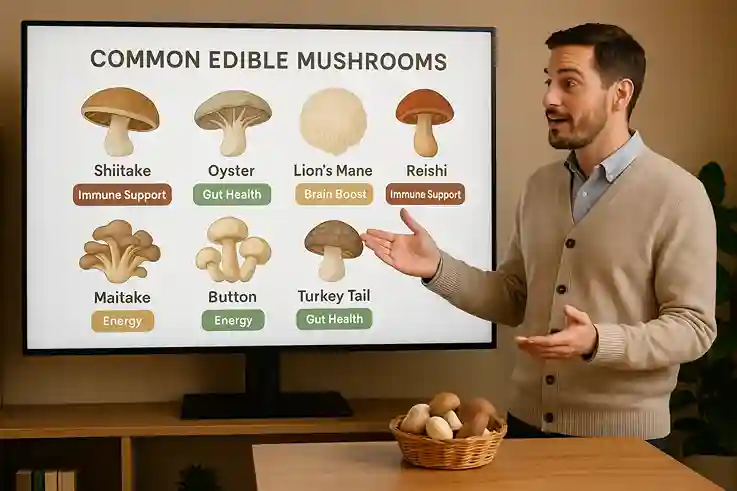
| Mushroom Type | Key Nutrients | Core Benefits |
|---|---|---|
| Button (White) | B vitamins, copper, light protein | Basic energy support and antioxidant balance |
| Shiitake | Fiber, selenium, B vitamins | Immune and heart-focused support |
| Oyster | Protein, fiber, potassium | Weight and gut comfort support |
| Portobello | Fiber, vitamin D (sun-exposed) | Satiety and meat-swap texture |
| Lion’s Mane | Light protein, potassium | Cognitive and nerve-growth interest |
| Turkey Tail | Prebiotic fiber | Microbiome and immune modulation interest |
| Reishi | Trace minerals | Calm and stress-adaptation interest |
| Enoki | Copper, light protein | Metabolic and antioxidant interest |
| Maitake | Fiber, vitamin D (sun-exposed) | Metabolic and glucose-balance interest |
Button and White Varieties in Daily Meals
Button and white varieties stay popular across U.S. kitchens because people want simple taste, low cost, and flexible meal pairing. Many shoppers start with these mushrooms when they test new plant-forward habits because the flavor stays neutral and friendly for young eaters. Busy professionals also prefer them because they cook fast, store well, and support easy prep during hectic weekdays.
They hold moisture without strong earthy notes, so they partner with creamy sauces, spicy bowls, or classic comfort plates. Families still reach for them because they chop clean, slice smooth, and blend with many pantry staples like oats, grains, eggs, beans, and broth. Nutrition also matters because reliable B vitamin intake supports steady metabolism and brain chemistry during long focus days. Fiber gives calm fullness that helps portion control without harsh hunger spikes. Therefore, these mushrooms feel like a starter choice for people who want taste, flexibility, and gentle health value in one low-risk ingredient.

Mild Flavor and Easy Meal Fit
Button and white mushrooms show soft, clean, and neutral flavor notes that accept many season profiles. They blend inside tacos, salads, pasta, rice bowls, burritos, ramen, and omelets. Smooth texture works with toddlers, seniors, and selective eaters who dislike bitter edges. They also accept dry spice mixes, fresh herbs, and butter-based sauces without flavor fights.
B Vitamins and Satiety Support
B vitamins guide energy flow, nerve function, and cognitive rhythm during daytime tasks. Light fiber boosts satiety, so hunger dips stay mild between meals. Stable fullness may help people reduce late-night snacks and sugary treats.
Fast Skillet Ideas
Slice mushrooms thin for rapid heat contact and even browning. Warm olive oil, garlic, and pepper inside a medium skillet, then add mushrooms with steady stir motion. Add spinach, scrambled eggs, chickpeas, or quinoa for higher protein and stronger meal value. Finish with lemon or parsley to lift flavor without heavy sauce work.
Shiitake for Heart and Skin Focus
Shiitake earns strong attention because people link flavor depth with steady wellness habits, so it fits daily cooking without forcing major diet change. Many U.S. shoppers pick shiitake after testing button mushrooms because they want richer aroma, firmer texture, and broader nutrient signals. Home cooks value cost control, meal speed, and pantry flexibility, so dried shiitake becomes a smart backup when fresh produce runs low.
Interest also rises because lifestyle stress, long screen hours, and high sodium meals shape heart and skin outcomes, so ingredient choice matters more than trend language. Shiitake supports soup building, noodle bowls, slow stews, rice mixes, and light skillet sautés with minimal waste, and that versatility helps long-term meal consistency. Many people prefer foods that target multiple systems at once, so shiitake appears useful for flavor pleasure, cardio habits, and skin integrity goals in one ingredient without heavy prep.
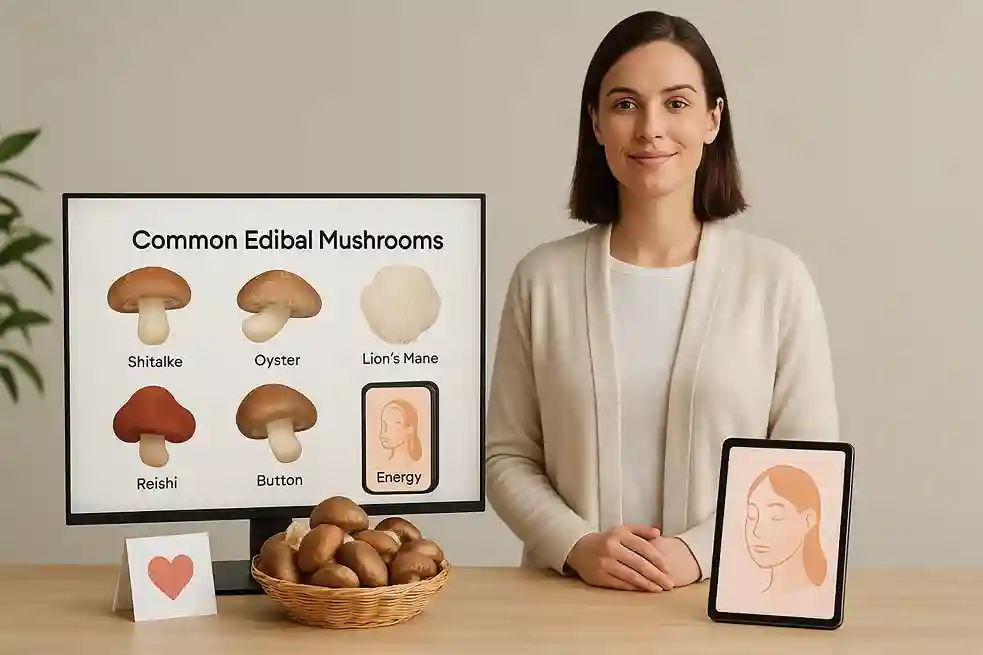
Why Shiitake Connects With Heart Focus
Shiitake links with heart goals because it carries fiber, minerals, and natural compounds that align with cholesterol management habits. Daily meals that feature these mushrooms may support balanced lipid profiles when paired with exercise, stress control, and reduced ultra-processed foods. They also offer savory umami that replaces heavy sauces or fatty meats, so calorie load and saturated fat intake drop without flavor loss. Many U.S. home cooks use shiitake in soups and broths because slow simmering releases rich taste that replaces cream or butter. That shift helps build lighter meals that still feel satisfying and comforting.
Why Shiitake Connects With Skin Focus
Skin interest grows because shiitake contains antioxidants and minerals that support collagen integrity and hydration balance. Steady copper intake matters for enzyme activity that helps maintain healthy skin structure, so shiitake becomes a simple dietary tool. People also like them because they provide gentle umami without sugar spikes, and that pattern supports stable insulin habits linked with skin clarity. Smooth broth dishes with shiitake help hydration because warm liquid encourages fluid intake during busy days. Many beauty-focused eaters choose shiitake due to taste, versatility, and easy integration into balanced meal plans rather than relying only on topical products.
Oyster for Weight and Gut Goals
Oyster mushrooms draw interest when people study types of mushrooms for weight control and gut-focused eating. Flavor stays mild, texture feels tender, and cooking time stays short, so weekly meal planning becomes easier for busy homes. Many people want nutrient-dense ingredients that reduce calories without hurting taste, and oyster mushrooms support that goal with simple prep and broad recipe fit.
Kitchen Versatility for Healthy Plans
Oyster mushrooms adapt well to stir-fries, warm salads, rice bowls, soups, tacos, and lettuce wraps with very little oil. Quick sauté, light grill, or air-fry methods keep texture firm and prevent soggy results. Routine rotation across several types of mushrooms also widens nutrient coverage, supports menu creativity, and builds long-term adherence without flavor fatigue.
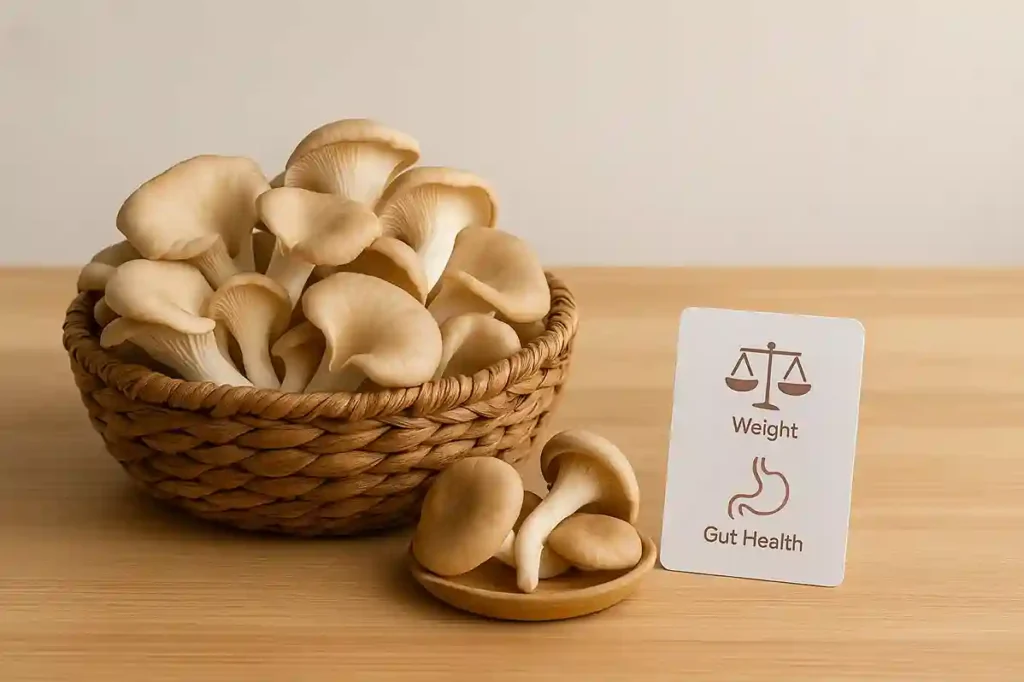
Weight Management Support
Oyster mushrooms carry lean protein and steady fiber that help slow digestion and improve fullness. Hunger signals stay calmer between meals, so snack cravings may drop during long work hours. Many people also replace high-fat meats with oyster mushrooms because umami depth keeps flavor strong without heavy oil or creamy sauces. These simple swaps help control calorie load and strengthen stable weight habits over time, especially when paired with daily movement and balanced hydration.
Digestive and Gut Health Support
Oyster mushrooms offer prebiotic fiber that supports smoother bowel rhythm and better microbial balance inside the gut. Helpful bacteria use this fiber as fuel, so immune signals and metabolic pathways may function with greater stability. Many people report reduced heaviness or bloating when they replace fried foods with lighter mushroom meals, and oyster remains a gentle pick among common types of mushrooms for digestive comfort.
Portobello for Meat-Like Texture
Portobello mushrooms earn attention when people study types of mushrooms for rich texture, meal satisfaction, and realistic meat-like structure. Large caps feel dense, smoky, and hearty, so many U.S. home cooks use portobello as a comfort-focused swap during burger nights or family dinners. People who reduce red meat often reach for portobello because flavor stays bold without sacrificing enjoyable chew.
Versatile Cooking Fits
Portobello adapts to grilling, oven roasting, cast-iron searing, air-frying, and stovetop reductions with very simple prep steps. Thick slices work in tacos, grain bowls, wraps, and stir-fries, while whole caps serve as burger patties or stuffed entrée bases. Marinades pair well with balsamic, citrus, herbs, garlic, and smoky spices, so flavor variation stays easy across weekly meal planning.

Meat-Like Texture Advantage
Portobello mushrooms offers thick, chewy bite with deep umami layers that easily mimic classic meat style. The wide cap shape holds marinades, grill marks, and roasted edges that build strong flavor with very little oil. This helps people create familiar comfort plates while staying aligned with lighter cooking habits. Satisfying texture plays a big role in long-term diet change, so portobello becomes a smart anchor item among common types of mushrooms for transition-friendly meals.
Nutrition and Vitamin D Support
Portobello contains helpful fiber and steady minerals, which support relaxed digestion and balanced wellness goals. When grown with natural sunlight exposure, portobello develops higher vitamin D levels, and that factor supports bone strength and immune rhythm during busy routines. These traits help portobello stand out in comparison with other types of mushrooms, especially for people who want hearty texture and meaningful nutrients in one ingredient.
Types of Mushrooms in Functional Wellness
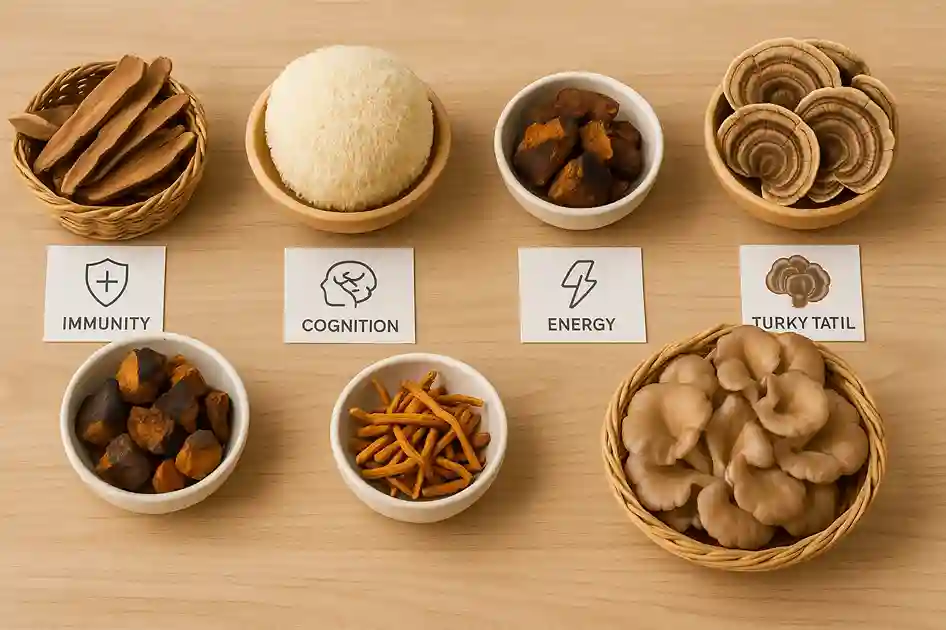
Many people study different types of mushrooms for functional wellness because they want steady, food-based habits instead of extreme supplements or restrictive diets. Reishi, lion’s mane, and turkey tail stand out in this group due to unique historical use patterns, modern research interest, and convenient preparation styles. These types of mushrooms often appear in teas, powders, broths, and slow-cooked blends, so people can include them without dramatic taste changes or intense cooking skills. Wellness routines feel easier when ingredients slip into normal meals, so functional varieties gain steady momentum.
Reishi for Calm and Adaptation
Reishi holds a respected position among functional types of mushrooms because people link it with calm support, stress balance, and slow evening routines. Many users prepare reishi in teas or broths to create mindful rhythm rather than fast stimulation. Its deep, earthy bitterness pairs with ginger, cinnamon, or mild honey, so flavor becomes warm, grounding, and ritual-based. People who explore reishi often want long-term nervous system balance, smoother wind-down routines, and lifestyle habits that match slow, intentional self-care.
Lion’s Mane for Cognitive Focus
Lion’s mane stays popular when comparing functional types of mushrooms because people connect it with focus, memory, and creative flow. These mushrooms shred easily and build tender, seafood-like texture, so sautéed dishes, grain bowls, and soft taco mixes accept them without complexity. Many users take lion’s mane during work, study, writing, or planning periods because they want clear thought patterns supported by gentle nutrition rather than heavy stimulants. Flavor remains mild and slightly sweet, which helps regular meal rotation.
Turkey Tail for Immune and Gut Alignment
Turkey tail rises in popularity as people evaluate immune-focused types of mushrooms, especially for prebiotic fiber and gut balance habits. Warm teas, simmer pots, and powder blends work well because turkey tail stays firm and woody, so extraction methods matter. Many wellness users focus on gut alignment because better digestion supports immune rhythm, energy flow, and nutrient absorption. Turkey tail fits slow, consistent routines rather than dramatic quick fixes, so it becomes a long-term pantry item for mindful eaters seeking steady internal balance.
Wild Foraging and Safety Notes
Safety matters when people explore wild types of mushrooms, because visual traits can mislead even confident foragers. Many species share caps, gill patterns, stem shapes, and color tones, so quick guesses create dangerous outcomes.
Look-Alike Risk
Deadly and toxic species often resemble edible ones with only tiny differences in odor, bruising color, spore print, or habitat preference. A slight shade change, ring pattern, or cap texture can separate safe food from life-threatening poison. Mistakes happen in forests, parks, backyards, and hidden mulch beds, so confident visual memory never replaces expert evaluation. Some toxic mushrooms delay symptoms, so early comfort does not equal safety.
Use U.S. Expert or Farm-Based Sources
People should rely on trained U.S. mycologists, certified foraging guides, cooperative extension programs, or local mushroom clubs before making wild harvest decisions. Farm-grown, organic-labeled, or regulated grocery mushrooms remove guesswork and reduce medical risk. Photo-based apps, quick social media opinions, and casual hobby groups cannot guarantee correct identification, so they should not guide consumption choices. Smart safety habits protect health, reduce emergency treatment costs, and keep mushroom exploration enjoyable across many reliable types of mushrooms.
United States Department of Agriculture (USDA) “Nutrient Data on Mushrooms Updated” — provides nutrient profiles for several common U.S. mushroom varieties
FAQ On Types Of Mushrooms
Conclusion
Exploring different types of mushrooms supports richer meal plans and steady nutrition gains. Each species brings its own flavor, texture, and health value. Rotation prevents boredom and helps build balanced nutrient intake. Mild options like button and white mushrooms suit fast weekday meals. Shiitake, oyster, and portobello deliver deeper wellness value and stronger satisfaction. Functional picks such as reishi, lion’s mane, and turkey tail support calm focus and gut-friendly routines. Safety stays important, so farm-grown or expert-approved sources work best for beginners. With practice and creativity, these types of mushrooms can upgrade home cooking, support health goals, and inspire lasting habits.
Share your favorite types of mushrooms and how you cook them in your weekly meals.
Drop your tips, questions, or recipe ideas below, and let’s build a helpful learning space for curious home cooks across the U.S.