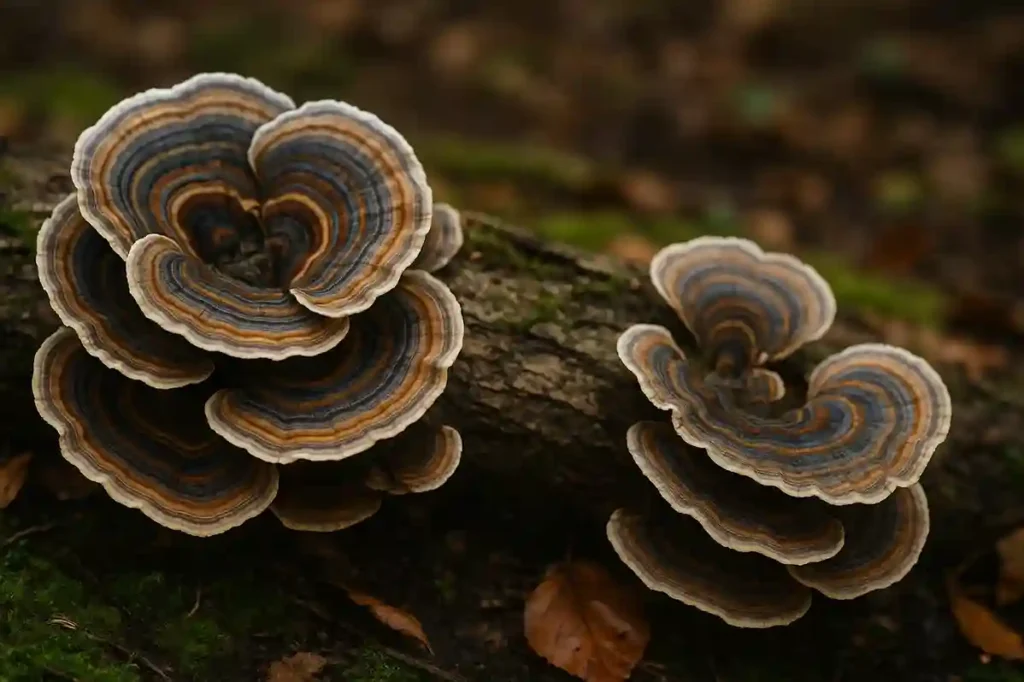
The turkey tail mushroom is a colorful fungus known for its fan-like layers that look like a turkey’s tail. Found on decaying wood, this mushroom has gained attention in modern health and wellness for its powerful natural compounds. For centuries, people in Asia used it to boost energy, strengthen immunity, and restore balance. Today, researchers study it for its active ingredients—especially PSK and PSP—which may support gut health and enhance the body’s defenses.
These discoveries have helped bridge ancient healing traditions with modern science. Many now see turkey tail as a simple, natural way to promote daily wellness and resilience. In this guide, you’ll learn about its history, the science behind its benefits, and safe ways to use it. Whether you’re exploring new supplements or deepening your health knowledge, turkey tail offers a fascinating blend of nature, tradition, and modern research.
What Is the Turkey Tail Mushroom?
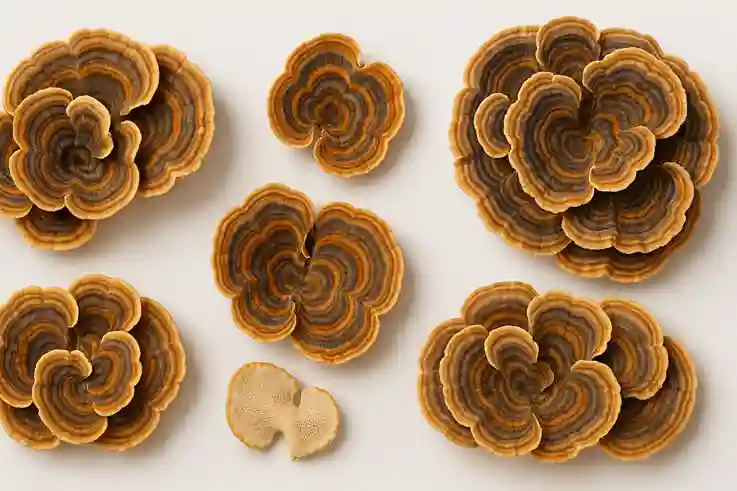
The turkey tail mushroom is a striking fungus easily spotted in forests for its fan-like shape and vivid rings of color. Its curved layers often show shades of brown, gray, orange, and white, resembling the tail feathers of a turkey. Soft on top and tough underneath, it grows in overlapping clusters on fallen logs and decaying tree trunks. This mushroom belongs to the species Trametes versicolor, a name that perfectly fits its colorful, versatile nature. “Versicolor” means “many colors,” reflecting its rainbow-like appearance found in both warm and cool climates around the world.
In Asian traditions, especially in China and Japan, people have used turkey tail for centuries. It was brewed into teas or ground into tonics to strengthen the body and balance energy. Healers believed it supported long life, strong immunity, and natural recovery after illness. These traditional uses made it a core part of herbal medicine.
Today, science continues to explore why this humble fungus has such staying power. Researchers discovered that turkey tail contains powerful bioactive compounds called polysaccharopeptides, mainly PSK and PSP. These natural molecules help support immune response, nourish gut bacteria, and fight harmful oxidative stress. As a result, this mushroom has become one of the most studied in the world.
Its rich combination of tradition, nutrition, and research makes it a remarkable bridge between ancient wisdom and modern wellness. Next, we’ll uncover how these active compounds bring real health benefits.
“Healing begins when we return to nature’s wisdom—one sip, one breath, one mushroom at a time.”
The Science Behind Its Benefits
The turkey tail mushroom is more than a forest beauty—it’s a powerhouse of bioactive compounds. Modern science focuses mainly on two key molecules found in this fungus: PSK (Polysaccharide-K) and PSP (Polysaccharopeptide). These compounds give turkey tail its remarkable ability to support immunity, gut balance, and inflammation control.
PSK: The Immune System’s Natural Ally
PSK is one of the most studied components of turkey tail mushroom. It’s a protein-bound polysaccharide that helps activate the body’s natural defense mechanisms. In simple terms, it encourages white blood cells and natural killer cells to recognize and fight harmful invaders more effectively. Research shows that PSK helps the immune system stay alert without overstimulation.
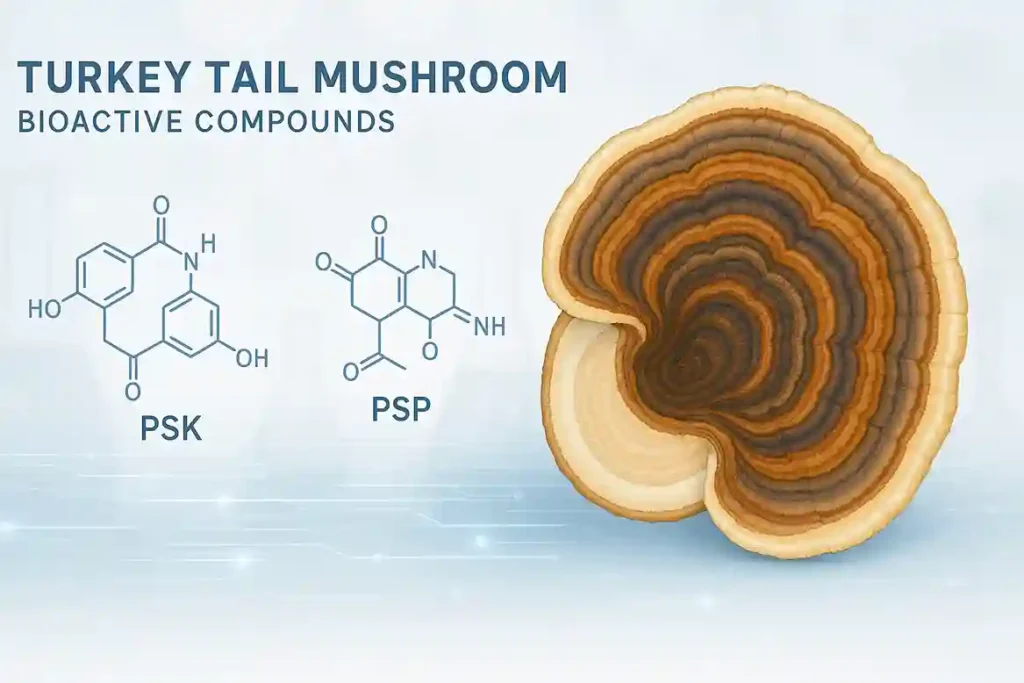
In several modern studies, participants consuming turkey tail extracts containing PSK demonstrated better immune balance, especially during periods of physical or emotional stress. This effect has drawn attention from wellness experts worldwide. Moreover, PSK supports the body’s ability to recover and maintain internal harmony. Because of these immune-regulating properties, it’s often viewed as a gentle yet effective natural supplement for everyday resilience.
PSP: A Gut Health Guardian
While PSK focuses on immunity, PSP plays a different but equally important role. PSP nourishes beneficial bacteria in the gut, acting as a prebiotic that promotes healthy digestion and nutrient absorption. A balanced gut is vital for overall well-being, as much of the immune system operates from the digestive tract.
Studies suggest that PSP helps maintain a healthy microbiome by supporting Lactobacillus and Bifidobacterium species—two types of friendly gut bacteria. When these thrive, the body’s immune responses and digestion often improve. In addition, PSP shows anti-inflammatory potential, helping reduce stress-related or diet-induced inflammation that can harm gut lining and energy levels.
Bringing Ancient Wisdom Into Modern Science
Both PSK and PSP show how traditional remedies align with current medical understanding. Centuries ago, Eastern healers used turkey tail to restore strength and longevity. Now, modern researchers confirm that its compounds genuinely enhance health at the cellular level.
Together, PSK and PSP create a synergistic effect—strengthening immune function, balancing gut flora, and reducing inflammation naturally. This combination explains why the turkey tail mushroom has earned its reputation as a true functional food. Next, we’ll explore how these scientific findings translate into real-world applications, helping everyday people boost wellness through practical and safe use.
Key Health Benefits of Turkey Tail Mushroom
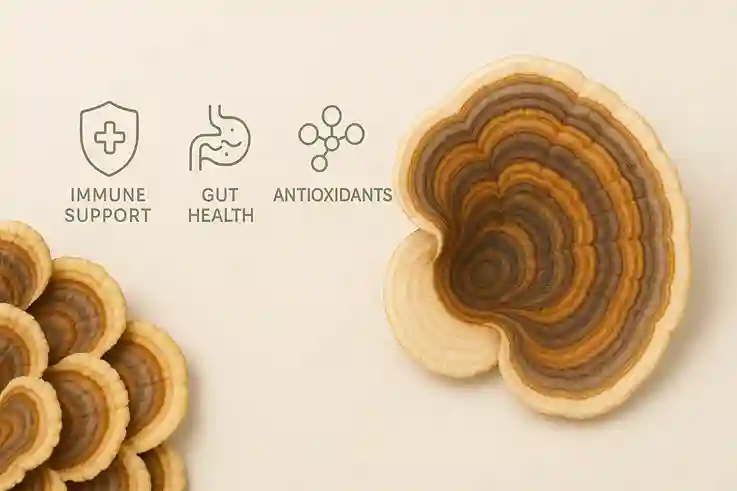
The turkey tail mushroom offers a wide range of benefits that support both physical and internal wellness. Packed with active compounds like PSK and PSP, it helps balance immunity, improve digestion, and protect the body from oxidative stress. These effects make it one of the most trusted mushrooms in both traditional and modern wellness. Below are its major health benefits, broken down into clear sections for better understanding.
Immune Support: Strengthening the Body’s Defense
One of the most notable benefits of the turkey tail mushroom lies in its immune-boosting power. PSK, a compound found in this mushroom, helps activate immune cells such as T-cells and natural killer cells. These cells are vital in detecting and destroying harmful invaders before they cause illness.
Moreover, turkey tail supports balanced immune activity rather than overstimulation. This balance keeps the immune system strong without triggering unnecessary inflammation. In several studies, people who used turkey tail extracts showed improved immune recovery and resilience during stressful times. Consequently, it’s often viewed as a natural, gentle way to fortify the body’s daily defense system.
Gut Balance: Supporting a Healthy Microbiome
Another major benefit is its ability to nurture gut health. PSP, another compound in turkey tail, acts as a natural prebiotic. It feeds beneficial bacteria like Lactobacillus and Bifidobacterium, helping them thrive. These bacteria play a crucial role in digestion, nutrient absorption, and overall immune communication.
As your gut becomes more balanced, digestion improves and inflammation in the digestive tract can decrease. Additionally, a healthy gut microbiome strengthens the connection between the digestive system and immunity. Over time, regular turkey tail use may lead to improved energy, less bloating, and better nutrient utilization—key signs of internal balance.
Antioxidant Power: Protecting Cells from Damage
The turkey tail mushroom contains a rich mix of phenols and flavonoids, both strong antioxidants. These compounds fight oxidative stress, a process caused by unstable molecules known as free radicals. When left unchecked, free radicals damage cells, accelerate aging, and contribute to fatigue.
Fortunately, the antioxidants in turkey tail help neutralize these harmful molecules. They protect cells, support natural repair processes, and maintain internal vitality. Therefore, consistent use can promote long-term cellular protection and overall energy balance. This benefit is especially valuable for people exposed to pollution, poor diet, or high stress.
Recovery Aid: Supporting Strength During and After Illness
Turkey tail mushroom may also help the body recover from illness or physical strain. Its immune-supportive and anti-inflammatory effects encourage faster healing and stronger resilience. People who experience fatigue or weakness after recovery periods often find it helpful in restoring energy and stability.
Additionally, its adaptogenic nature helps the body handle both physical and emotional stress more effectively. By stabilizing immune and digestive function, it aids the body’s ability to bounce back naturally. This makes turkey tail an excellent daily supplement for those seeking balanced energy and wellness.
Altogether, the turkey tail mushroom provides a holistic blend of immune, digestive, and antioxidant support. It strengthens the body from within, promoting steady energy and improved resistance. Most importantly, these benefits align perfectly with modern health goals—natural balance, prevention, and vitality.
As you’ll see next, incorporating turkey tail into your routine is simple. From teas and extracts to powders and capsules, each option allows you to enjoy its powerful benefits safely and effectively in daily life.
How to Use Turkey Tail Mushroom Safely
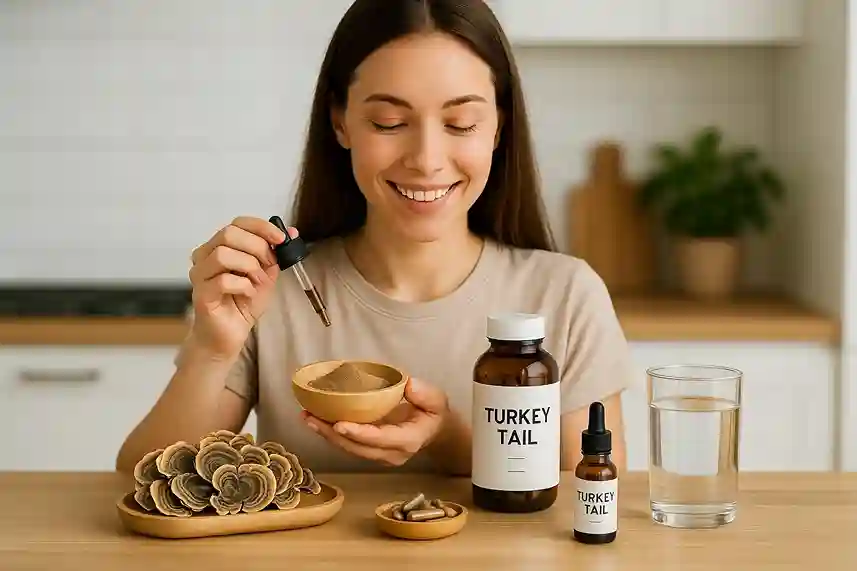
The turkey tail mushroom can be used in several convenient forms, making it easy to add to your daily wellness routine. Whether you prefer a warm tea, a quick capsule, or a versatile powder, each option offers its own benefits. However, using it correctly is key to getting safe and consistent results.
Common Forms of Turkey Tail Mushroom
You can find turkey tail in four popular forms: powder, tea, capsules, and liquid extracts.
Extracts: Liquid or tincture extracts are potent and quickly absorbed. They’re made through hot-water or alcohol extraction, which concentrates the beneficial compounds like PSK and PSP.
Powder: The powdered form is ideal for smoothies, soups, or coffee. It blends easily and gives mild, earthy notes without bitterness. Many people prefer it for daily use because it allows flexible dosage.
Tea: Turkey tail tea is one of the oldest ways to consume this mushroom. You can steep dried slices in hot water for about 20 to 30 minutes. The resulting tea has a light, woody flavor that pairs well with lemon or ginger.
Capsules: For convenience, capsules provide a precise dose with no preparation needed. They’re great for those with busy schedules or sensitive taste preferences.
Dosage Guidelines for Safe Use
General health sources recommend starting with a daily dose of 1 to 3 grams of dried turkey tail or its equivalent in other forms. For extracts, 1 to 2 milliliters per day is typical. Always begin with the lowest effective dose, then adjust gradually based on how your body responds.
Since each brand or formulation can vary in strength, check the product label for specific serving sizes. Importantly, consult a healthcare professional before starting if you have allergies, medical conditions, or take prescription medication. Children, pregnant women, and people with autoimmune conditions should use it only under medical guidance.
Simple Home Preparation Tips
If you enjoy a more traditional approach, you can easily make turkey tail mushroom tea at home:
- Add 1 tablespoon of dried, sliced turkey tail to 2 cups of water.
- Bring it to a gentle boil, then simmer for 30 minutes.
- Strain and serve warm. You may add honey, ginger, or lemon for taste.
This slow simmer extracts beneficial polysaccharides and gives a soothing, nourishing drink.
Now that you know how to use turkey tail safely, it’s equally important to ensure you’re getting a high-quality product. In the next section, we’ll discuss how to choose reliable sources, check purity standards, and identify authentic, lab-tested options for maximum health benefits.
Possible Side Effects and Precautions

While the turkey tail mushroom is generally considered safe, it’s still important to understand its possible side effects and precautions. Even natural supplements can cause mild reactions in certain individuals, especially when taken in large amounts or alongside medication.
Mild Digestive Reactions
Some people may experience minor digestive issues when first using turkey tail. These reactions can include gas, bloating, mild nausea, or stomach discomfort. Such effects usually appear when the dosage is too high or when the body is adjusting to the supplement. To minimize discomfort, start with a smaller dose and gradually increase it as your system adapts. Drinking enough water and taking it with food may also help reduce irritation.
Possible Allergic Responses
Although rare, allergic reactions may occur. Signs include itching, skin rashes, dizziness, or swelling after consuming turkey tail products. Anyone with mushroom allergies should avoid this supplement entirely. If you notice unusual symptoms, stop using it immediately and seek medical attention. Because sensitivities vary, it’s always better to approach new herbal products with caution.
Consult a Healthcare Professional First
Before starting any turkey tail mushroom supplement, talk with a qualified healthcare provider. This step is especially important for individuals managing chronic illnesses or taking prescription drugs, as the mushroom’s immune effects could interfere with certain medications. Pregnant or breastfeeding individuals should also seek professional advice before use.
Additionally, healthcare consultation helps determine the right form and dosage for your specific needs. Personalized guidance ensures safety and effectiveness while preventing unwanted interactions.
Natural Doesn’t Always Mean Risk-Free
It’s easy to assume that natural products are automatically safe, but that’s not always the case. Even gentle herbs like turkey tail can cause side effects when misused or taken in excess. Responsible use and professional supervision are key to gaining its benefits without risks.
Understanding these safety measures builds a foundation for exploring turkey tail’s deeper meaning. Next, we’ll look at its cultural and historical roots, discovering how ancient traditions in Asia valued this humble mushroom long before modern science confirmed its healing power.
A Glimpse Into Its Cultural and Historical Roots
The turkey tail mushroom holds a deep connection to ancient healing traditions, especially in Asia. For centuries, it has been valued not only as food but also as a symbol of strength, longevity, and harmony with nature. In both Traditional Chinese Medicine (TCM) and Japanese Kampo, it earned a respected place for its role in supporting balance and resilience.

Turkey Tail in Traditional Chinese Medicine
In TCM, turkey tail—known as Yun Zhi—was used to strengthen “Qi,” or vital energy, the life force believed to sustain the body’s balance. Healers prescribed it to restore vitality, especially after illness or fatigue. It was often brewed into tea or combined with other herbs to support digestion, boost immunity, and enhance spiritual harmony. Ancient practitioners believed it nourished the lungs and liver, helping the body adapt to changing seasons and emotional stress.
Over time, this humble mushroom became known as a longevity tonic, representing balance between the body and nature. Its colorful, layered form was thought to mirror harmony and renewal—qualities deeply rooted in Eastern philosophy.
The Role of Turkey Tail in Japanese Kampo Medicine
In Japan, turkey tail mushroom—called Kawaratake—became a cornerstone of Kampo, Japan’s traditional medical practice. It was prized for its ability to rebuild internal strength and maintain endurance. Kampo physicians used extracts made from turkey tail to help patients recover vitality and maintain energy during demanding physical conditions.
Even today, turkey tail remains one of Japan’s most studied and respected mushrooms for immune health. Its consistent use through generations highlights the trust placed in natural healing systems long before modern research confirmed its effectiveness.
Bridging Cultures: From Ancient Wisdom to U.S. Wellness
Today, interest in turkey tail mushroom has expanded beyond Asia. In the United States, wellness communities increasingly embrace it as part of the growing movement toward functional foods and holistic living. People use it in teas, powders, and supplements to support immunity, digestion, and stress resilience—echoing centuries of traditional wisdom.
As ancient knowledge meets modern science, the turkey tail mushroom continues to inspire a balanced approach to health. This renewed curiosity connects cultures, reminding us that the path to wellness often begins with nature’s simplest gifts. Next, we’ll see how it fits into modern lifestyles and daily wellness routines.
Modern Popularity and Everyday Uses
In today’s health-conscious culture, the turkey tail mushroom has evolved from an ancient tonic to a modern wellness essential. Its mild flavor and powerful nutritional value make it easy to include in daily routines. People now enjoy it in smoothies, coffees, teas, and even baked goods. Because it blends smoothly and doesn’t overpower other ingredients, it fits effortlessly into a balanced diet.
Blending Health Into Daily Routines
Adding turkey tail to your morning coffee or smoothie is one of the simplest ways to benefit from its immune-boosting and gut-friendly properties. Many prefer powdered extracts, which mix easily with warm drinks or plant-based milk. You can also sprinkle it into oatmeal or yogurt for a subtle, earthy note. For those who love traditional methods, steeping dried slices into tea offers a gentle, calming ritual that promotes focus and balance throughout the day.
Furthermore, consistency matters. Taking a small amount daily helps the body build resilience gradually, supporting long-term vitality without the crash or overstimulation that many supplements cause.
The Rise Among Fitness Enthusiasts and Biohackers
In the United States, fitness enthusiasts and biohackers have embraced turkey tail for its adaptogenic qualities. It supports stamina, recovery, and immune stability—key benefits for anyone with an active lifestyle. Unlike synthetic boosters, turkey tail works in harmony with the body, improving energy regulation over time.
Athletes often combine it with other functional mushrooms like lion’s mane or cordyceps for synergistic effects. As a result, it’s now a common feature in post-workout shakes and wellness stacks designed for natural recovery and endurance. This trend reflects a broader movement toward performance through plant intelligence—using nature’s compounds to optimize human health safely.
Sustainability and Environmental Impact
Another reason for its growing popularity lies in its eco-friendly cultivation. Turkey tail mushrooms thrive on agricultural waste such as sawdust or wood chips, which reduces environmental strain. They grow rapidly without chemical fertilizers, making them an ideal sustainable food source. Many small U.S. farms now cultivate mushrooms indoors using renewable methods, ensuring year-round supply with minimal carbon footprint.
Because of this, choosing turkey tail supports not only personal wellness but also environmental responsibility—a key value for today’s conscious consumers.
As modern science validates ancient wisdom, the turkey tail mushroom continues to bridge the gap between tradition and innovation. Up next, we’ll summarize the key lessons and takeaways, showing how this timeless fungus can enhance modern life through mindful, sustainable health practices.
(FAQ) About Turkey Tail Mushroom
Conclusion: Embracing the Power of Turkey Tail Mushroom
The turkey tail mushroom stands as a remarkable bridge between ancient healing traditions and modern science. From its origins in Chinese and Japanese medicine to its rise in U.S. wellness culture, this colorful fungus continues to prove its worth. Its unique compounds—PSK and PSP—work together to support immunity, nourish gut health, and protect cells from stress. Beyond its health benefits, it also represents sustainability and respect for nature, growing easily on recycled materials with minimal environmental impact.
When used responsibly, turkey tail can become a simple yet powerful part of your wellness journey. Whether brewed as a soothing tea, blended into a morning smoothie, or taken as a capsule, it offers steady, natural support for energy, balance, and long-term vitality.
As interest in holistic living grows, more people are rediscovering what ancient healers already knew—true wellness often begins in nature. If you’ve tried turkey tail or are curious about adding it to your routine, share your thoughts and experiences. Your insights can help others explore how this humble mushroom continues to inspire health, harmony, and renewal in everyday life.
Have you ever tried the turkey tail mushroom in your wellness routine?
Whether you’ve sipped it in tea, added it to smoothies, or explored its supplements, your experience matters. Share how it’s helped you—or what you’re curious to learn next—by leaving a comment below.

Adi holds a B.Sc. in Hospitality Management from the Institute of Hotel Management, bringing both academic knowledge and real-world experience to the table. Passionate about food, flavor, and the stories behind every dish, Adi writes to make culinary concepts approachable for everyone. From exploring global cuisines to highlighting simple kitchen techniques, the goal is always the same—help readers enjoy food more deeply and cook with confidence.