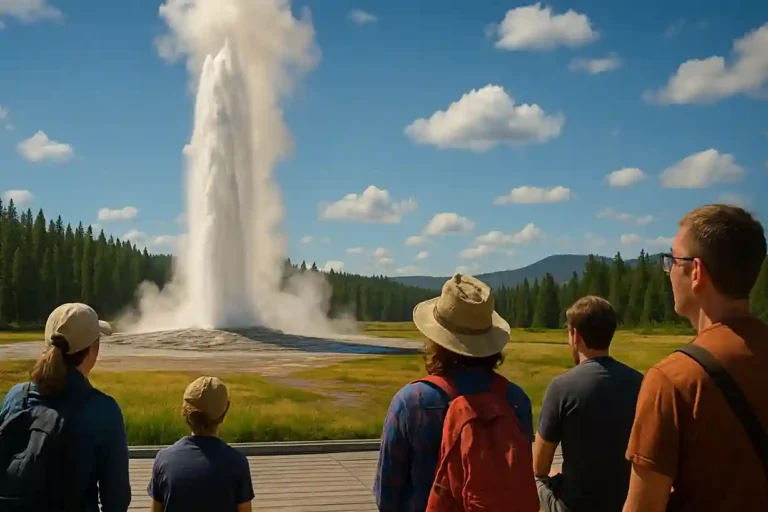
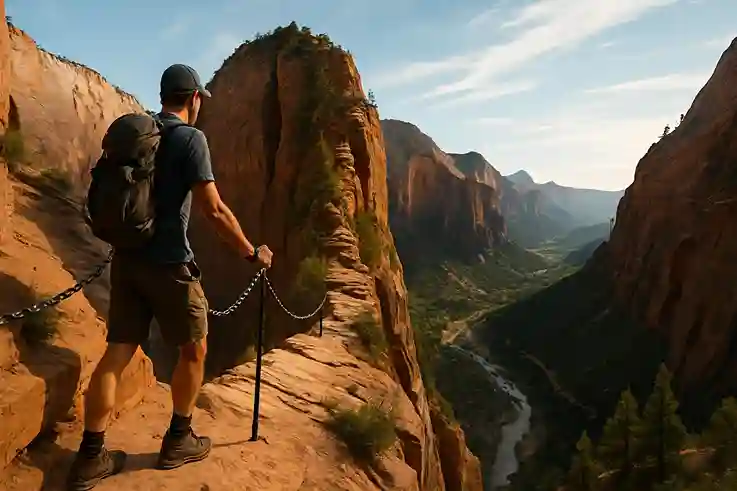
A road trip unlocks the kind of freedom few adventures can match. The moment the wheels start turning, the world opens up—one mile at a time. There’s something magnetic about endless highways stretching under a big sky. You feel the hum of the tires, the scent of pine or sea salt drifting through an open window, and the quiet thrill of not knowing what’s next. Every turn reveals something new—an old diner, a hidden waterfall, or a forgotten town with stories to tell.
Across the U.S.,road trips remain timeless because they blend adventure with reflection. They allow travelers to move at their own rhythm, to pause where beauty demands attention. From California’s coastal cliffs to Arizona’s quiet deserts and Vermont’s forested hills, each route tells a different story. Yet together, they share one truth—on the open road, the journey itself becomes the destination.
Why Every Traveler Needs a Road Trip Bucket List
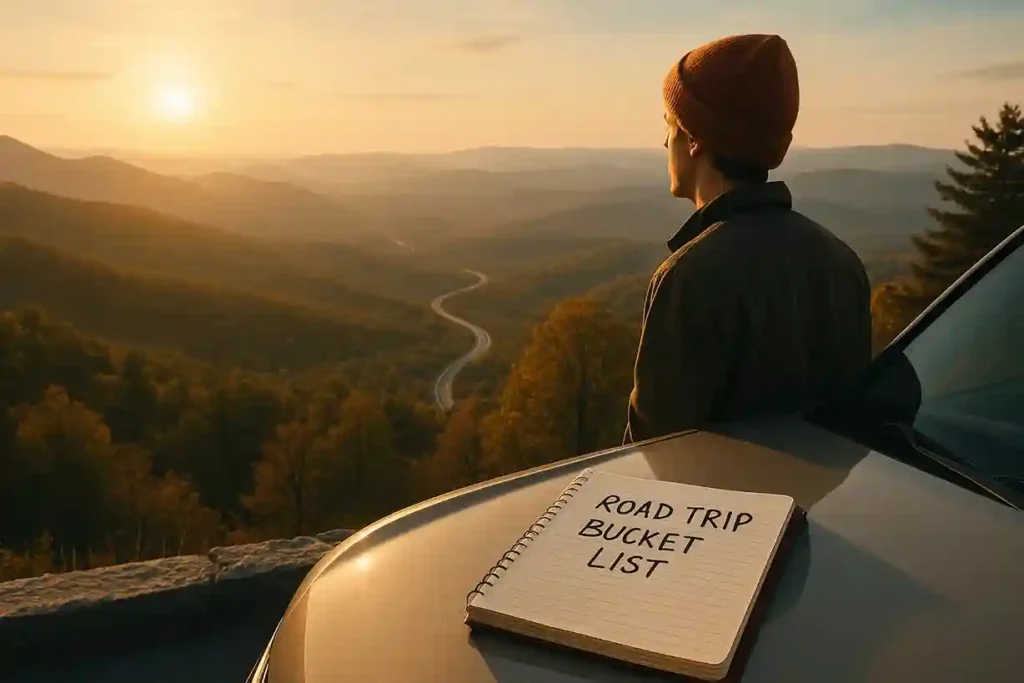
Every traveler needs a road trip bucket list to turn wanderlust into real adventure. While spontaneity adds excitement, a well-planned list ensures every moment counts. It helps balance impulse with intention—so instead of aimless detours, each journey unfolds with purpose. Planning ahead doesn’t confine freedom; it amplifies it. With a bucket list, you can chase sunrise on a coastal highway one month and explore canyon trails the next, knowing each route has been chosen for meaning and beauty.
Moreover, curated destinations save precious time. They guide you toward scenic routes, local gems, and lesser-known towns worth exploring. Instead of missing the best overlooks or seasonal festivals, you arrive ready to experience them fully. Planning helps travelers invest energy in discovery rather than decision fatigue.
I still remember a story from a friend, Maya, who once drove from Denver to Glacier National Park without a clear plan. Halfway through, she realized her random stops blurred together. The next summer, she built a bucket list—carefully researched, handwritten, and mapped. This time, each stop held purpose: a sunrise hike in Wyoming, a lakeside picnic in Montana, and a quiet cabin where she journaled at night. She returned home changed—not by miles, but by moments.
Ultimately, a road trip bucket list bridges dreams and action. It keeps adventure alive yet focused, turning simple drives into lifelong memories. When heart and map work together, every road leads somewhere unforgettable.
“A road trip isn’t just about reaching a destination—it’s about discovering who you become along the way.”
Pacific Coast Highway – California’s Iconic Coastal Drive
A Legendary Stretch of Freedom
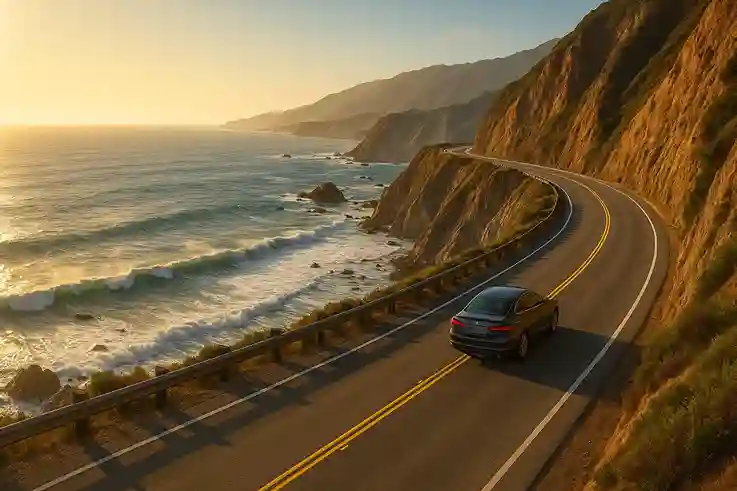
Few experiences define a road trip like driving California’s Pacific Coast Highway, officially known as Highway 1. Stretching roughly 650 miles from San Francisco to San Diego, this winding route hugs the edge of the Pacific Ocean. It’s a drive that feels alive—each curve revealing another breathtaking view. With every mile, the scenery shifts from rugged cliffs to calm beaches, making it one of America’s most cinematic journeys.
As you leave San Francisco, the iconic Golden Gate Bridge fades in your rearview mirror. Soon, the road climbs into rolling hills that drop dramatically into the sea. The ocean’s rhythm becomes your soundtrack, and mist rises in soft curls from the surf below.
Stops That Define the Journey
Big Sur stands as the crown jewel of this legendary route. Here, the cliffs soar high above turquoise waters, and the Bixby Creek Bridge arcs gracefully over the canyon below. It’s a place where time slows and nature commands attention. A short stop at Pfeiffer Beach reveals violet sands that shimmer under the sun—rare, surreal, unforgettable.
Next comes Monterey, where sea otters float through kelp forests and the historic Cannery Row captures coastal charm. Just a short drive south, Santa Barbara greets travelers with Spanish-style architecture, palm-lined streets, and beaches made for golden sunsets. Each stop adds a new texture—wild, cultured, or relaxed—to the journey’s rhythm.
Nature’s Palette: Sea, Forest, and Sky
Along the highway, ancient redwood forests rise like silent guardians. Sunlight filters through their massive trunks, casting long shadows over the road. Then, the terrain opens to reveal sea cliffs where waves crash against stone with hypnotic force. The ocean mist drifts inland, softening every edge, turning the landscape into a watercolor painting.
When to Go: Timing the Perfect Drive
The best time to travel this route is late spring through early fall. Between April and October, the skies stay clear, the temperatures stay mild, and the crowds remain manageable. During this window, wildflowers bloom along the cliffs, whales migrate offshore, and daylight lingers late into the evening.
A drive down the Pacific Coast Highway isn’t just a trip—it’s a meditation on movement and wonder. Every mile invites you to slow down, breathe deeply, and let California’s natural poetry unfold before you.
Blue Ridge Parkway – The Appalachian Dream Route
A Journey Through Mountain Majesty
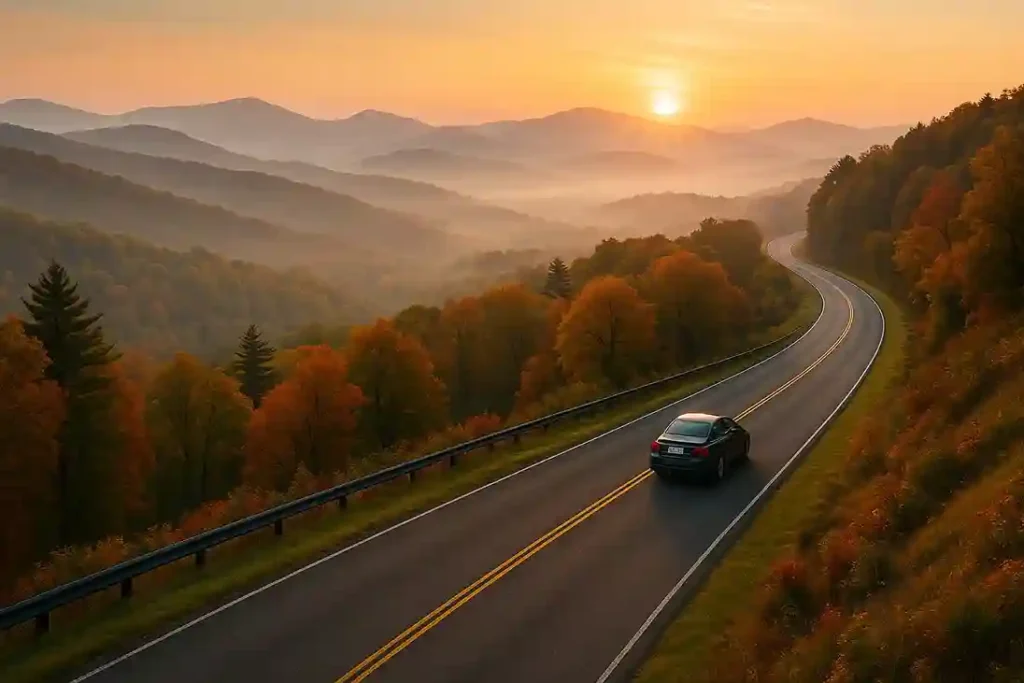
The Blue Ridge Parkway transforms a simple road trip into a slow dance with the mountains. Stretching nearly 470 miles between Virginia and North Carolina, this scenic route connects Shenandoah National Park to the Great Smoky Mountains. Each curve reveals new wonders—misty valleys, rolling ridgelines, and overlooks that seem to touch the clouds. In autumn, fiery reds and golden yellows ignite the hills, turning the drive into a moving masterpiece of color.
Pulling over at places like Craggy Gardens or Linville Falls Overlook, you can breathe in crisp mountain air scented with pine and rain. The road climbs gently, offering endless photo stops where the horizon melts into shades of blue and green. Every turn feels like a new secret whispered by the Appalachians themselves.
Culture Along the Parkway
Beyond the natural beauty, the Parkway celebrates Appalachian soul. Local towns brim with culture—banjo tunes drifting from front porches, handwoven crafts displayed in small shops, and diners serving home-style biscuits with gravy. In Floyd, Virginia, you can hear live bluegrass on a Friday night, where locals gather not for spectacle, but for connection. In Asheville, North Carolina, art galleries and mountain brews blend tradition with creativity.
Each stop reminds travelers that this journey isn’t only about landscapes—it’s about people who live in rhythm with them.
Hikes and Hidden Viewpoints
To truly feel the Parkway, step out of the car. Short hikes like Humpback Rocks, Devil’s Courthouse, and Waterrock Knob offer sweeping views without demanding full-day treks. At sunrise, Rough Ridge Overlook glows in warm amber light, while evening brings a calm hush that only mountains know.
For a peaceful picnic or photo stop, visit Peaks of Otter, where a serene lake mirrors the ridgeline above. These small detours turn the drive into something personal—an intimate dialogue between traveler and terrain.
Where Serenity Meets the Soul
Unlike faster highways, the Blue Ridge Parkway invites slowness. Its curves aren’t meant to be conquered but savored. Here, time stretches, music hums softly, and nature speaks in whispers. This route doesn’t rush the traveler; it restores them. On the Blue Ridge, serenity isn’t found at the end—it unfolds gently with every mile.
Route 66 – The Ultimate American Classic
The Highway That Built the American Dream
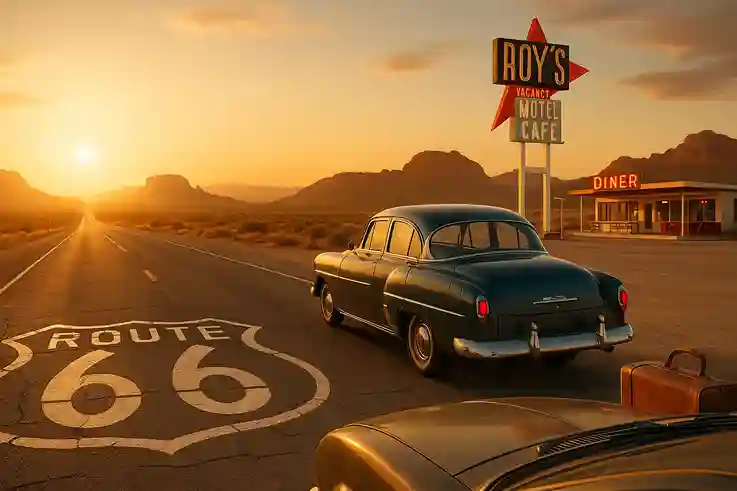
Few journeys capture the spirit of a road trip like the legendary Route 66. Stretching over 2,400 miles from Chicago to Santa Monica, this historic highway once carried dreamers westward in search of opportunity. Today, it remains a moving time capsule—a living museum of classic Americana. From neon signs glowing at dusk to diners serving homemade pie, every stop along Route 66 hums with nostalgia.
Driving it feels like traveling through decades at 55 miles per hour. Old gas stations stand frozen in time, their faded murals telling stories of freedom and reinvention. The route threads through Illinois, Missouri, Oklahoma, Texas, New Mexico, Arizona, and finally, California—each state revealing its own slice of American character.
Quirky Stops and Retro Charm
Along Route 66, oddities and icons sit side by side. In Pontiac, Illinois, a mural-covered wall marks the heart of the highway. Near Catoosa, Oklahoma, the bright blue whale grins beside a peaceful pond, still luring travelers for a quick photo. In Seligman, Arizona, neon lights and vintage signs flash from classic diners, where jukeboxes still play Elvis and Buddy Holly.
You can stay overnight in retro motels like the Wigwam Village Motel, where guests sleep inside giant concrete teepees. These stops remind travelers that whimsy once defined the open road. Even now, they preserve the playful energy that made Route 66 famous.
A Traveler’s Story: Chasing the Past
Jake, a lifelong traveler from Kansas, grew up hearing his grandfather’s tales about Route 66. One summer, he decided to retrace that same path. Armed with an old camera and a map from 1958, he followed the cracked asphalt west. At each small town, he stopped to speak with locals who still remembered when the “Main Street of America” buzzed with life.
By the time he reached Santa Monica Pier, Jake realized his trip wasn’t just a drive—it was a reunion with the past. He carried home more than photos; he carried a sense of continuity, of generations connected by motion.
Old Americana, Still Alive
Modern travelers can still feel that same pulse. Restored diners, roadside museums, and classic car shows keep the old magic alive. Many sections of Route 66 have been preserved by passionate locals who refuse to let its legacy fade.
Even now, the road whispers promises of freedom, discovery, and belonging. On Route 66, nostalgia isn’t an illusion—it’s the heartbeat of the American road.
Great River Road – Following the Mighty Mississippi
A River That Tells America’s Story
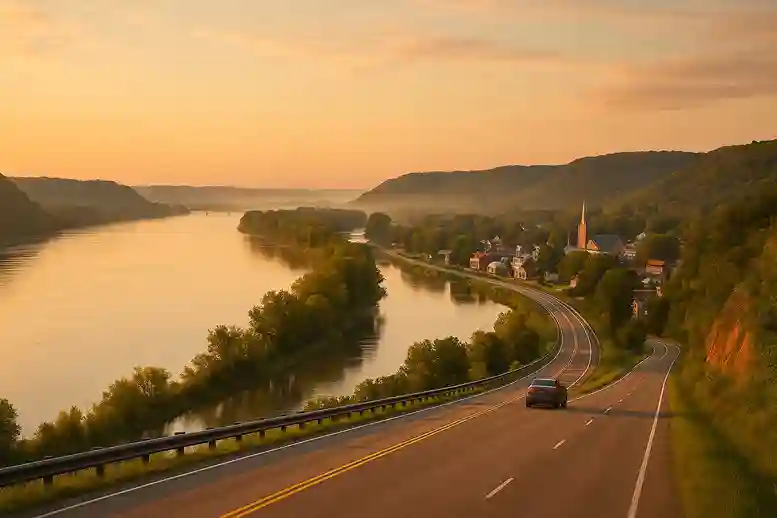
The Great River Road transforms a road trip into a living history lesson. Stretching for nearly 3,000 miles, it winds through ten states, shadowing the path of the mighty Mississippi River from Minnesota to Louisiana. Along this legendary route, the landscape changes as the river itself does—narrow and icy near its northern source, then wide, warm, and powerful as it flows south to the Gulf.
Driving this route means tracing the heartbeat of America. You’ll pass through riverfront cities like St. Louis, Memphis, and New Orleans, each one steeped in character and story. The rhythm of the road mirrors the river’s current—steady, soulful, and full of surprises.
Towns Steeped in History and Culture
Every bend along the Great River Road reveals a piece of the nation’s heritage. In Hannibal, Missouri, you can walk the same streets that inspired Mark Twain’s tales of Tom Sawyer and Huck Finn. Clarksdale, Mississippi, hums with blues music, spilling from juke joints where legends once played. As you roll farther south, Natchez welcomes travelers with its antebellum architecture and sweeping views of the river below.
And then, of course, comes the food. From smoky Memphis barbecue to beignets in New Orleans, every stop offers a taste of the region’s rich cultural blend. Small diners and roadside shacks often serve the most memorable meals—where recipes carry the flavor of generations.
Best Segments for Short Trips
For travelers short on time, the Minnesota-to-Iowa stretch offers crisp northern scenery dotted with historic towns and peaceful overlooks. Those seeking music and soul should choose Memphis to New Orleans, where blues, jazz, and southern charm converge. Each section of the Great River Road tells its own story, so even a weekend trip can feel deeply complete.
For Those Who Crave Both History and Movemet
The Great River Road is more than a journey—it’s a slow drift through time. Each mile connects past and present, echoing with the sounds of paddleboats, guitars, and laughter by the water’s edge. Travelers who seek both history and movement will find themselves transformed by this winding ribbon of road, where the Mississippi continues to carry the nation’s story—mile after timeless mile.
Alaska’s Seward Highway – Wilderness Meets Wonder
A Route Carved by Ice and Time
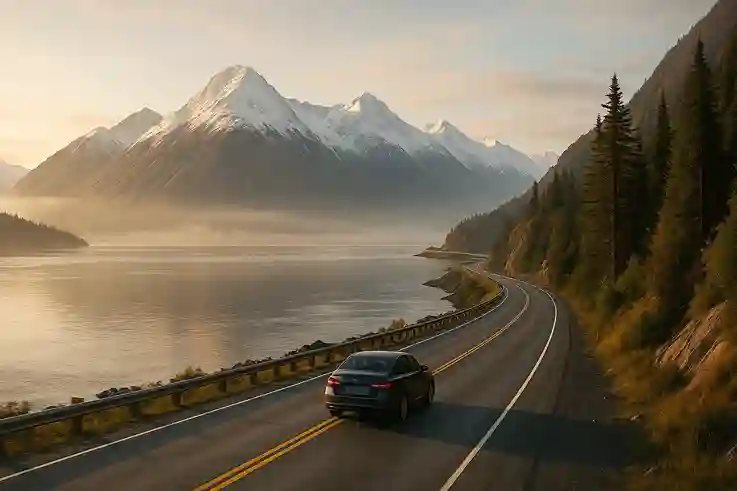
For those who crave untamed beauty, the Seward Highway in Alaska turns a road trip into pure wilderness poetry. Stretching about 125 miles from Anchorage to Seward, this drive threads through a world sculpted by glaciers, fjords, and snowcapped peaks. Every curve offers something new—emerald lakes, misty valleys, or ice-blue rivers cutting through ancient rock. It’s a route where nature feels close enough to touch and silence speaks louder than cities ever could.
Along the Turnagain Arm, travelers often spot beluga whales gliding through silvery waters at low tide. Farther along, Portage Glacier shimmers beneath sunlight, its frozen surface glowing with surreal shades of blue. Bald eagles perch on spruces while moose wander across open tundra. For many, the Seward Highway isn’t just a drive—it’s a front-row seat to Alaska’s raw, unfiltered grandeur.
Solitude in Motion
This route rewards those who travel quietly. With only a few small towns between Anchorage and Seward, it’s ideal for travelers seeking solitude and reflection. The vastness of the landscape humbles you. The road feels endless yet comforting—surrounded by jagged peaks and glacier-fed waters. Stop at Kenai Lake Overlook for stillness, or hike the Byron Glacier Trail to walk where ice and earth meet.
For campers and photographers, early morning brings calm light and mist over the valleys—perfect for capturing Alaska’s serene side. Each moment reminds you that wilderness isn’t empty; it’s alive and listening.
Staying Safe in the North
The Seward Highway’s beauty demands respect. Conditions can change quickly—clear skies one minute, dense fog or sleet the next. Always check weather forecasts before setting out and pack essentials: layered clothing, extra fuel, and emergency supplies. Wildlife crossings are common, so slow speeds and sharp attention matter. And since daylight hours shift dramatically by season, plan drives around available light.
Preparation turns this adventure from risky to rewarding. When handled with care, the Seward Highway becomes both thrilling and deeply grounding.
A World Apart from the Lower 48
Unlike continental routes lined with towns and diners, Alaska’s Seward Highway offers something elemental—silence, scale, and awe. It’s a journey that strips life back to essentials: movement, breath, and wonder. For those who’ve conquered coastal roads and desert highways, this northern path reminds them what untouched truly means. Here, the wild isn’t behind a fence—it’s all around you.
Florida Keys Scenic Highway – Sunshine and Serenity
A Bridge Between Sky and Sea
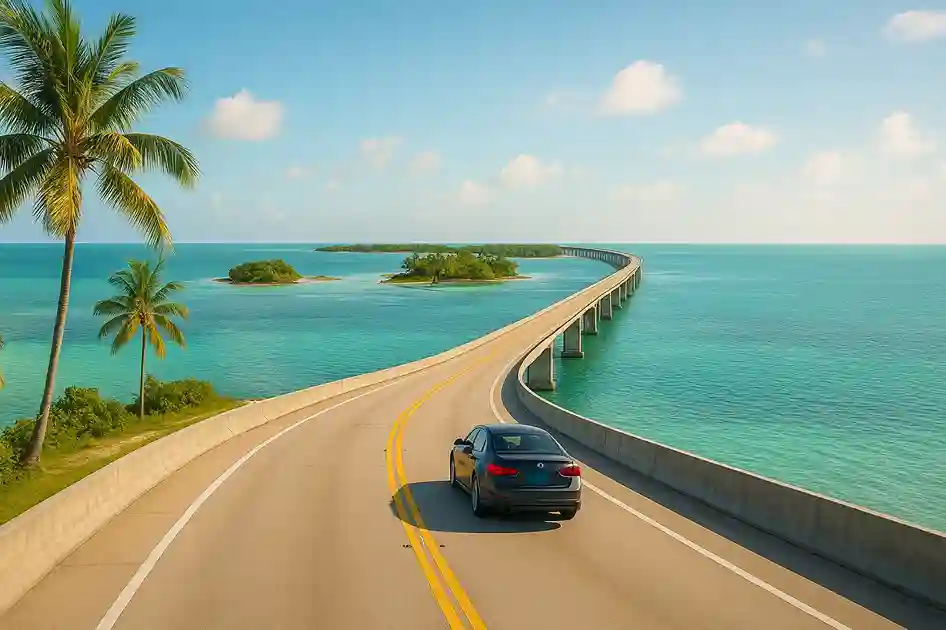
The Florida Keys Scenic Highway transforms a road trip into a tropical dream of color, rhythm, and light. Spanning 113 miles from Key Largo to Key West, this remarkable stretch of U.S. Route 1 feels almost weightless—suspended between turquoise waters and endless blue skies. As you begin the journey, the first bridge appears like a promise, and soon the Seven Mile Bridge unfolds ahead, stretching boldly over the glittering sea.
With every passing mile, the scent of salt and hibiscus grows stronger. Meanwhile, sunlight flickers through palm fronds, and the ocean seems to follow you in every direction. Unlike most highways, this one moves not through cities but across shifting tides. Therefore, it demands that you slow down, roll down the windows, and let the warm breeze carry your thoughts away
Stops That Define the Keys
To begin with, Key Largo warmly greets travelers with its vibrant coral reefs, clear shallows, and countless chances to dive beneath the waves. Beneath the surface, colorful fish shimmer like stained glass, while graceful sea turtles drift effortlessly through ribbons of light. Moreover, for those who prefer tranquility, kayaking through the mangroves offers a peaceful escape from the lively coastal buzz.
As the journey continues south, the legendary Seven Mile Bridge soon emerges as the drive’s breathtaking centerpiece. While crossing it, the world seems to narrow into a ribbon of asphalt suspended between two endless blues—sky above and ocean below. In addition, the rhythmic sound of the waves enhances the feeling of floating through paradise. Shortly afterward, at Marathon Key, travelers can pause for lunch at a coastal café, where freshly caught seafood tastes as crisp and bright as the sea breeze. Soon after, the islands seem to shimmer and sway beneath the sunlight, gently leading the way toward Key West.
Finally, upon reaching Key West, the atmosphere transforms completely. Streets burst with color, art, and laughter, while local music drifts through the warm air. Furthermore, historic homes, open-air markets, and seaside galleries invite endless exploration. As evening approaches, the energy shifts once again—crowds gather at Mallory Square, where street performers, glowing skies, and the sound of applause blend together. Ultimately, the sunset feels less like an ending and more like a shared ritual of joy that unites everyone by the water’s edge.
Sunsets and Coastal Cafés
Few drives anywhere in the country rival this one at golden hour. As the sun sinks lower, the sea turns glassy and pink. Meanwhile, roadside cafés flicker with soft light, inviting travelers to stop, sip, and stay awhile. In these moments, time seems to pause; yet, the ocean never stops whispering.
Whether you watch from a quiet pier or from a lively bar deck, each sunset feels different, yet every one feels deeply personal. Consequently, this drive becomes less about motion and more about belonging—to the place, the light, and the moment itself.
For Those Who Prefer Tropical Over Tundra
For travelers who crave warmth instead of wilderness, the Florida Keys Scenic Highway offers perfect contrast to Alaska’s Seward Highway. Where the north delivers solitude and silence, the Keys bring sunshine, laughter, and ease. Moreover, this route embodies freedom in its gentlest form—a journey powered by calm tides and open skies.
Ultimately, the Florida Keys remind every traveler that paradise doesn’t have to be far. Instead, it can be found mile by mile, bridge by bridge, as the sea glows gold beneath your wheels and serenity settles quietly in your heart.
National Highway Traffic Safety Administration (NHTSA) — “Summer Driving & Road Trip Tips” offers advice on vehicle preparation, emergency kit essentials, and safe driving habits.
FAQs About the Ultimate U.S. Road Trip
Conclusion About the Ultimate Road Trip
A road trip is more than a journey—it’s a mirror reflecting the traveler’s spirit. Every route, from the misty peaks of the Blue Ridge Parkway to the golden glow of the Florida Keys Scenic Highway, reveals a different face of America. Some roads tell stories of history and resilience, like Route 66 or the Great River Road. Others whisper of wilderness and wonder, like Alaska’s Seward Highway. Together, they form a living map of landscapes, cultures, and emotions.
Planning your own road trip bucket list isn’t about checking destinations off—it’s about collecting moments that change you. Each mile offers something new: laughter in a roadside diner, silence beneath towering redwoods, or the rush of wind across an open bridge. And though every traveler drives their own path, we all share the same horizon—the promise of freedom waiting just beyond the next curve.
So, fuel up, turn up your favorite song, and chase the horizon that calls to you most. Whether you crave mountains, coastlines, or the hum of the open desert, America’s roads are ready. Your next adventure begins with one simple act—starting the engine.
Which of these routes would you drive first? Share your dream road trip in the comments below—I’d love to hear your journey begin.

Adi holds a B.Sc. in Hospitality Management from the Institute of Hotel Management, bringing both academic knowledge and real-world experience to the table. Passionate about food, flavor, and the stories behind every dish, Adi writes to make culinary concepts approachable for everyone. From exploring global cuisines to highlighting simple kitchen techniques, the goal is always the same—help readers enjoy food more deeply and cook with confidence.