
Goose eggs stand out as one of nature’s most fascinating treasures. Larger and richer than any common egg, goose eggs capture curiosity with their rare appearance and bold flavor. Unlike chicken eggs, which fill every market shelf, goose eggs remain a seasonal delicacy found mostly on small farms and in gourmet kitchens. Their rarity alone makes them special, but their unique taste and texture give them an edge that intrigues both home cooks and professional chefs.
Many nutrition enthusiasts value goose eggs for their dense nutrient profile and creamy yolk, which makes every dish feel indulgent and wholesome. From rustic omelets to fine pastries, these eggs add depth, flavor, and visual appeal. However, understanding what makes them distinct goes beyond their size. Their nutritional power, culinary versatility, and limited availability reveal how truly remarkable they are. As more people explore diverse, nutrient-rich foods, goose eggs are quickly becoming a hidden gem worth appreciating and learning more about.
How Goose Eggs Stand Apart
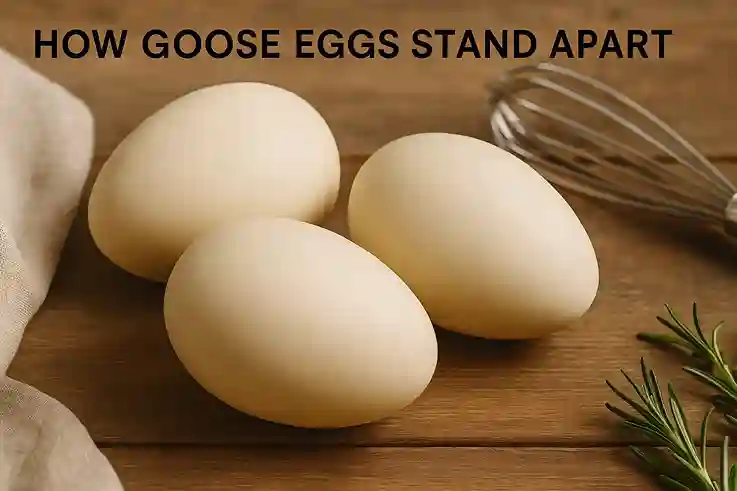
Goose eggs differ greatly from the familiar chicken or duck eggs we use daily. They are larger—nearly three times the size of a chicken egg and almost twice that of a duck egg. The shell feels firm, dense, and slightly chalky to touch. It takes more effort to crack. Inside, the yolk glows deep golden, thick, and rich. The white feels denser and more elastic when whisked. Thicker shell. Bigger yolk. Richer taste.
In cooking, that difference becomes clear. Goose eggs hold more protein and fat, which gives baked goods a buttery tone and custards a velvet smoothness. The flavor feels bold—some call it earthy, others slightly grassy or buttery. It lingers longer on the tongue, coating it softly. The yolk’s intensity changes simple dishes into gourmet experiences.
When fried, goose eggs form broad golden centers surrounded by crisp, white edges. When boiled, the yolk turns creamy and satisfying, perfect for slicing over salads or toast. The taste feels fuller, more satisfying, more grounded. Chefs love how one goose egg can replace two chicken eggs without losing balance in flavor or structure.
Cooking them requires attention. Their thicker shell means slightly longer boiling or baking time. But the reward—a rich, creamy texture with depth—is worth it. Goose eggs elevate every bite, giving comfort, luxury, and warmth all at once. Once tasted, the memory stays—smooth, golden, and deeply satisfying.
“A goose egg isn’t just bigger—it’s bolder, richer, and a reminder that true nourishment often comes in rare forms.”
Nutrition Profile of Goose Eggs
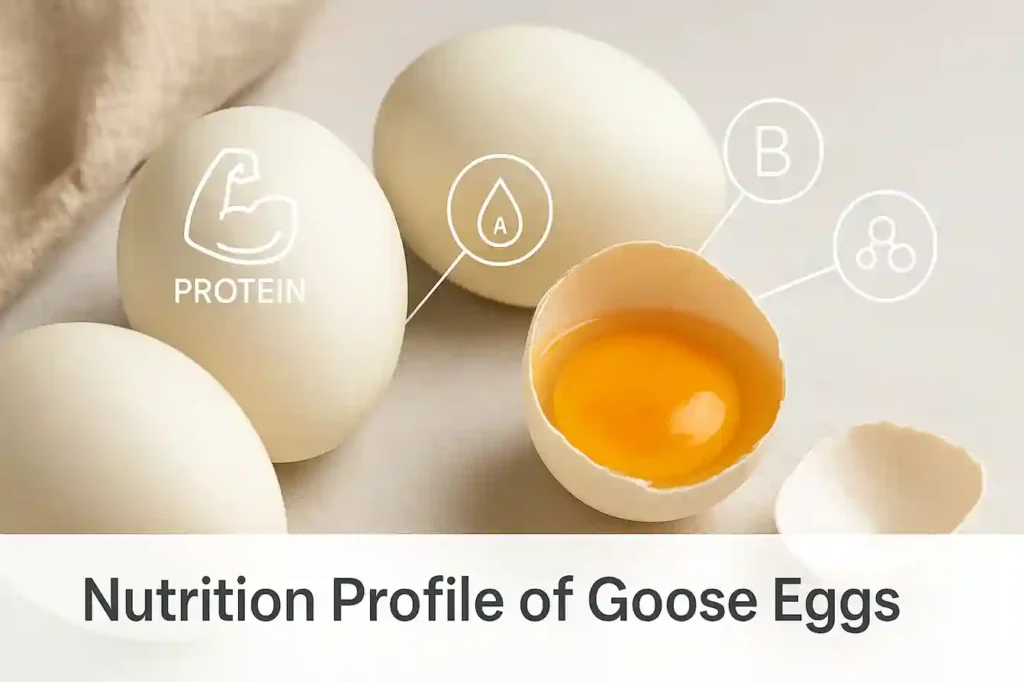
Goose eggs are nutritional powerhouses. Each egg is packed with protein, vitamins, and healthy fats. They deliver energy, build strength, and support overall wellness. Though larger than chicken or duck eggs, their nutritional density sets them apart.
Calories and Energy Value
A single goose egg contains about 265–270 calories. That’s nearly three times more than a chicken egg. The higher calorie content comes from its bigger size and richer yolk. These calories provide sustained energy, especially for people with active lifestyles. For athletes or those who need more daily fuel, goose eggs offer a natural boost without processed supplements.
Protein Power
Each goose egg holds roughly 19 grams of protein. This protein supports muscle repair, growth, and endurance. Compared to a chicken egg, which has about 6 grams, the difference is clear. Goose egg protein also includes all essential amino acids, making it a complete source. This makes them ideal for building lean muscle or maintaining a high-protein diet.
Healthy Fats and Cholesterol
Goose eggs contain about 19 grams of fat, most of it healthy unsaturated fat. The yolk’s rich texture comes from this fat balance. However, they do carry higher cholesterol levels—around 1,200 milligrams per egg. While this may seem high, research shows that moderate consumption of whole eggs doesn’t significantly impact healthy cholesterol levels in most people. Still, those with cholesterol concerns should enjoy them in moderation.
Vitamin and Mineral Content
Goose eggs are rich in Vitamin A, Vitamin D, Vitamin B12, and folate. These nutrients help strengthen the immune system, support red blood cell formation, and boost brain function. Their iron and selenium content also aid oxygen flow and cellular defense. In short, one goose egg provides more vitamins per serving than two chicken eggs combined.
Health Benefits at a Glance
Goose eggs promote immune support, enhance muscle strength, and improve energy levels. The nutrients inside them fuel metabolism and protect body cells. Their vitamin D supports bone health, while their protein helps the body recover faster after exercise.
Goose eggs offer a complete, nutrient-dense food choice. They nourish deeply and leave you feeling satisfied, strong, and well-fueled.
Are Goose Eggs Safe for Everyone?
Goose eggs are highly nutritious, but like all rich foods, they deserve mindful handling and balanced consumption. Their dense nutrient profile makes them valuable, yet their high fat and cholesterol levels mean not everyone can enjoy them freely. Let’s explore the main safety aspects in detail.
Cholesterol and Fat Considerations
Goose eggs contain over 1,000 milligrams of cholesterol per egg, making them one of the most cholesterol-dense foods available. For healthy adults, enjoying goose eggs occasionally poses no problem. However, individuals with heart disease, high cholesterol, or diabetes should exercise moderation. The good news is that goose eggs also provide beneficial unsaturated fats, which help maintain overall cardiovascular balance. Eating them as part of a diet rich in vegetables, whole grains, and lean proteins supports heart health while allowing occasional indulgence.

Egg Allergies and Sensitivities
Allergies can affect who safely enjoys goose eggs. The proteins in goose eggs closely resemble those in chicken and duck eggs. For this reason, anyone with an existing egg allergy should avoid them or consult a healthcare professional first. Common allergic reactions include skin rashes, nasal congestion, or digestive upset. For first-time tasters, start small—one bite is enough to check tolerance. If no symptoms appear within a few hours, they can be safely added to your diet in moderation.
Cooking Methods for Safe Consumption
Proper cooking makes goose eggs safe and delicious. Always cook until both yolk and white are firm. This step kills Salmonella and other harmful bacteria that might be present. Avoid raw preparations like smoothies or undercooked recipes such as soft-boiled eggs. For pregnant individuals, children, and older adults, fully cooked eggs are the safest choice. Scrambling, hard-boiling, or baking goose eggs thoroughly ensures both safety and great flavor.
Storage and Shelf Life
Goose eggs have thick shells that protect their contents well. Store them in the refrigerator, ideally at 40°F (4°C) or below. When refrigerated properly, they stay fresh for up to five weeks. Keep them in their carton to reduce moisture loss and prevent odor absorption from other foods.
Balanced Enjoyment
Safety doesn’t mean restriction—it means awareness. Goose eggs can fit beautifully into a healthy diet when eaten wisely. Their rich taste and nutrient value make them a rewarding addition, especially when enjoyed occasionally. Moderation, safe cooking, and proper storage ensure that every bite delivers nourishment, comfort, and peace of mind.
Goose Eggs vs. Chicken Eggs
Goose eggs and chicken eggs differ in almost every way—size, nutrition, taste, and even price. Goose eggs are much larger, offering richer flavor and higher protein per serving. Their thick shells protect dense yolks packed with vitamins and fat. Chicken eggs, on the other hand, are lighter, more accessible, and easier to cook daily. Both are nutritious, but goose eggs deliver a gourmet experience best enjoyed occasionally for their depth and creaminess.
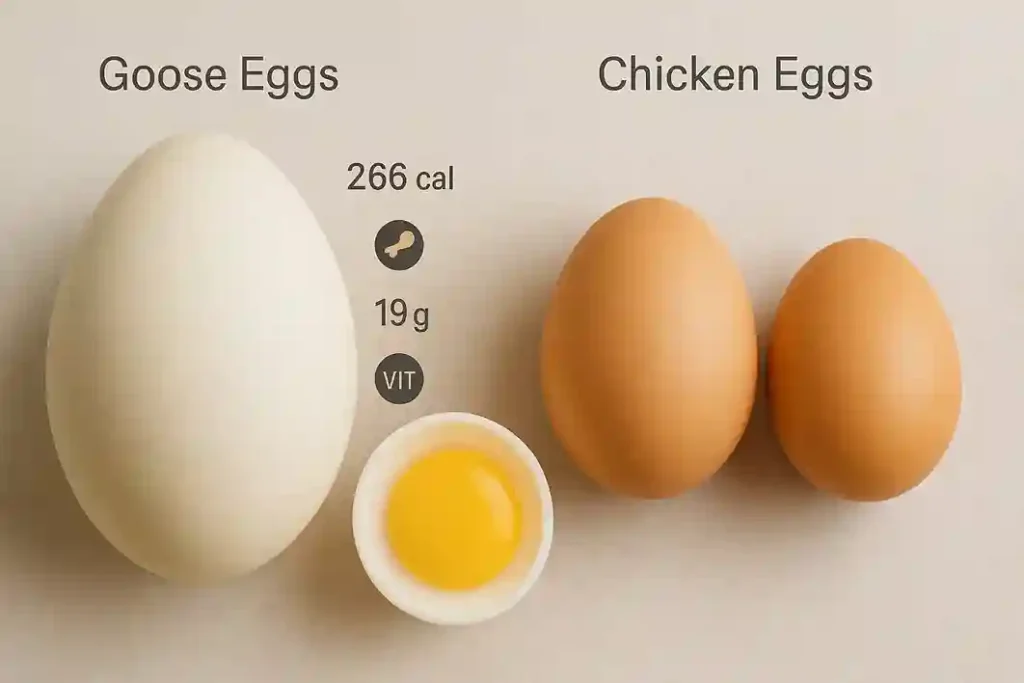
| Feature | Goose Egg | Chicken Egg |
|---|---|---|
| Size | 3× larger | Standard (medium to large) |
| Calories | ~265 per egg | ~70 per egg |
| Protein | 19 g | 6 g |
| Fat | 19 g | 5 g |
| Cholesterol | ~1,200 mg | ~185 mg |
| Flavor | Rich, bold, creamy | Mild, neutral |
| Availability | Seasonal, rare | Year-round, common |
| Price (U.S.) | $3–$5 per egg | $0.25–$0.50 per egg |
Comparison of Various Edible Eggs
Eggs come in many fascinating forms, each offering a different taste, texture, and nutritional story. Beyond the everyday chicken egg, varieties like quail, duck, turkey, goose, emu, and ostrich eggs provide distinct experiences for curious food lovers. Below is a closer look at what makes each of them unique.
Quail Eggs
Quail eggs are the smallest among edible bird eggs, usually weighing around 9 to 12 grams. Their spotted shells make them visually appealing, while their flavor is delicate and slightly creamy. Despite their size, quail eggs are nutrient-dense—rich in B vitamins, iron, and antioxidants. They’re a favorite in salads, appetizers, and gourmet presentations. Because of their mild taste, they blend well with almost any dish. They’re easy to find in specialty grocery stores and farmers’ markets across the U.S.
Duck Eggs
Duck eggs are larger and richer than chicken eggs, often weighing about 70 to 100 grams. Their yolks are bright orange, full of protein and omega-3 fatty acids. The flavor feels dense, buttery, and slightly oily. Bakers love duck eggs for their structure—they make cakes rise higher and custards smoother. While they’re available more often now, they still feel like a premium choice, perfect for those seeking a richer breakfast or baked dish.

Turkey Eggs
Turkey eggs are quite rare since most turkeys are raised for meat, not eggs. Each egg weighs around 80 to 90 grams and has a thick, speckled shell. The flavor is mild but carries a faint gamey note. They contain more fat and cholesterol than chicken eggs, making them rich and satisfying in moderation. Turkey eggs work well in omelets, baking, or simple scrambles. Their limited availability makes them a seasonal treat found mostly on small farms.
Goose Eggs
Goose eggs are large, luxurious, and deeply flavorful. Each weighs about 200 grams and offers a bold, buttery taste with a creamy texture. Their yolks dominate the ratio, providing high levels of vitamins A, D, and protein. Because they’re dense, they enrich baked dishes and omelets beautifully. Goose eggs are best enjoyed cooked fully and in moderation. Their short laying season and limited supply make them a prized find for culinary enthusiasts.
Emu Eggs
Emu eggs are strikingly large, weighing between 600 and 700 grams, with dark green shells that feel almost leathery. They have a light, soft texture and a subtle flavor compared to goose or duck eggs. Nutritionally, they’re rich in protein, vitamin E, and lutein, supporting muscle repair and eye health. One emu egg equals about 10 chicken eggs, making it ideal for large family meals or baking projects. Availability in the U.S. remains limited, often sold through specialty farms.
Ostrich Eggs
Ostrich eggs are the giants of the bird world, weighing up to 1.5 kilograms—equal to about two dozen chicken eggs. Their shell is thick and hard, requiring tools to crack open. The flavor is mild yet slightly buttery, with a texture similar to firm scrambled eggs. Each ostrich egg contains roughly 2,000 calories and over 200 grams of protein. They’re often used for shared meals, special events, or educational culinary displays. Though rare, they can sometimes be found through exotic farm suppliers in the U.S.
Each type of egg offers its own balance of flavor, nutrition, and rarity. Together, they reveal the incredible diversity of nature’s simplest yet most powerful food—an egg.
Culinary Uses: Cooking with Goose Eggs
Goose eggs are prized in the kitchen for their size, texture, and bold taste. Their creamy yolks and firm whites give both sweet and savory dishes an elevated richness. Because they’re larger and denser than chicken or duck eggs, goose eggs behave differently when cooked, offering chefs and home cooks new creative possibilities. Below are the best ways to use them and how to balance their luxurious flavor.

Baking with Goose Eggs
Goose eggs perform exceptionally well in baking. Their yolks are dense with natural fat, giving cakes, muffins, and pastries a moist, buttery texture. One goose egg can replace two or three chicken eggs, depending on the recipe. For example, when used in pound cakes or brioche, they help achieve a rich crumb and deep golden color. The flavor feels subtly creamy, and the structure holds air beautifully.
Because the batter thickens quickly, it’s best to whisk goose eggs gently before adding them. Overbeating can cause excessive density. Meanwhile, bakers often note that goose eggs create a stronger rise and a more custard-like center in baked goods—a result of their high protein and lecithin content.
Omelets, Quiches, and Savory Dishes
Goose eggs shine in omelets, scrambles, and quiches. Their yolk-rich base provides a silky texture and full flavor that pairs well with vegetables and herbs. A simple omelet with fresh dill, parsley, or chives highlights their natural depth. For quiches, goose eggs bind fillings beautifully while giving a golden, glossy finish.
I first used goose eggs in a quiche—it turned out creamier and golden, with a subtle richness that felt almost buttery. The flavor lingered gently, unlike any chicken egg dish I’d made before. Because goose eggs are heavier, you’ll need to increase the cooking time slightly to ensure even setting.
Custards and Desserts
For desserts, goose eggs add indulgence. Their high fat and protein levels give custards, puddings, and flans a velvety mouthfeel. Meanwhile, they create natural thickness, reducing the need for added cream or milk. Pastry chefs often use them for gourmet desserts because they yield a luxurious texture without compromising sweetness balance.
Chef Tips for Perfect Balance
Goose eggs are rich, so balance matters. Pair them with light ingredients—fresh herbs, crisp greens, or sautéed vegetables. Use butter sparingly; the egg itself already provides enough richness. For complete meals, serve them with whole-grain bread or roasted vegetables to add contrast and structure.
A Gourmet Ingredient Worth Trying
For example, replacing chicken eggs with goose eggs in pasta dough creates silkier noodles. Meanwhile, in breakfast dishes, they deliver unmatched satisfaction. As a result, goose eggs elevate even the simplest recipes into gourmet creations—smooth, golden, and unforgettable.
For verified nutrient data, visit the official U.S. Department of Agriculture FoodData Central.
Frequently Asked Questions
Conclusion
Goose egg is rare, rich, and remarkably flavorful. Their large size, creamy yolk, and deep taste make every dish feel gourmet. From baking to breakfast, they transform ordinary meals into indulgent experiences.
Nutritionally, they offer more protein, vitamins, and healthy fats than chicken eggs. For example, one goose egg delivers energy and nourishment that lasts all day. Meanwhile, their golden yolk adds both beauty and texture.
Enjoy them in moderation—cooked fully and paired with lighter ingredients. When handled thoughtfully, goose eggs become a perfect balance of flavor and nutrition.
👉 Have you ever tried a goose egg? Share your experience or recipe in the comments below!

Adi holds a B.Sc. in Hospitality Management from the Institute of Hotel Management, bringing both academic knowledge and real-world experience to the table. Passionate about food, flavor, and the stories behind every dish, Adi writes to make culinary concepts approachable for everyone. From exploring global cuisines to highlighting simple kitchen techniques, the goal is always the same—help readers enjoy food more deeply and cook with confidence.