Everyday foods often hide powerful nutrition, and button mushrooms prove this point immediately. Many people pass them by without realizing their true value. They look simple. They feel familiar. Yet they quietly support better health with every serving. Found in kitchens worldwide, these mushrooms remain affordable and easy to use. They cook fast. They blend into many dishes. Because of this convenience, they often get underestimated. However, their nutritional profile tells a different story.
They provide key vitamins, minerals, and antioxidants that support immune function. They also contribute to heart health and digestion. Their low calorie nature helps with weight balance. At the same time, their texture adds satisfaction to meals. Moreover, they fit many eating patterns. They support plant-focused diets. They complement protein-rich meals. When used regularly, button mushrooms help build healthier habits. Small daily choices like this can create lasting benefits over time.
“Button mushrooms show how simple foods can power better health.”
What Are Button Mushrooms?

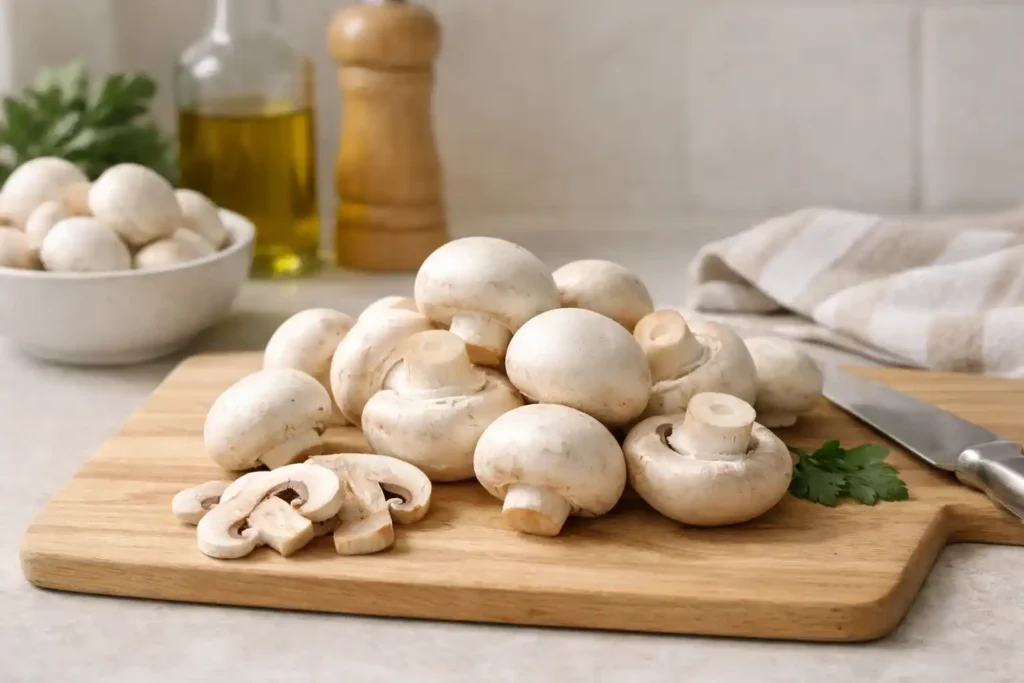
Button mushrooms are one of the most familiar edible fungi in the world. They have a small, round cap and a smooth white or light beige surface. Their flavor stays mild. Their texture stays tender. Because of this balance, they work well in many dishes without overpowering other ingredients.
These mushrooms belong to the same species as cremini and portobello mushrooms. The difference comes from maturity, not variety. Button mushrooms are the youngest stage. Cremini mushrooms develop next, showing a darker brown color and a firmer texture. Portobello mushrooms grow fully mature, forming large caps with a richer, meatier taste. Despite these changes, their core nutritional makeup stays similar across stages.
Button mushrooms remain the most widely consumed form for several reasons. First, they stay affordable year-round. Second, they cook quickly and evenly. Third, they adapt easily to soups, salads, stir-fries, and baked meals. Their neutral flavor allows seasoning flexibility, which appeals to many cuisines.
Another reason for their popularity involves nutrition. Button mushrooms offer vitamins, minerals, and antioxidants while staying low in calories. They support balanced eating without adding heaviness. For this reason, many people use them as meat extenders or replacements.
Overall, button mushrooms combine simplicity, versatility, and health value. Their early harvest stage makes them tender and approachable. As a result, they remain a staple ingredient in everyday cooking across the world.
Nutritional Profile of Button Mushrooms
Button mushrooms deliver strong nutrition with very few calories. Because of this balance, they support healthy eating without excess energy intake. Their profile suits daily meals and long-term wellness goals.
Calories and Macronutrients
Button mushrooms remain naturally low in calories. One cup provides roughly 15–20 calories. This makes them ideal for weight-focused meals. They contain very little fat. They also include minimal carbohydrates, mostly from natural fiber. Protein content stays modest. However, it still adds value to plant-forward diets. The protein supports muscle repair when combined with other sources. Fiber aids digestion and promotes fullness. Because of this, meals feel more satisfying without heaviness.
Their low glycemic impact helps maintain stable energy levels. For people managing calorie intake, this balance matters. Each serving delivers nutrition without unnecessary load.
Vitamins Found in Button Mushrooms
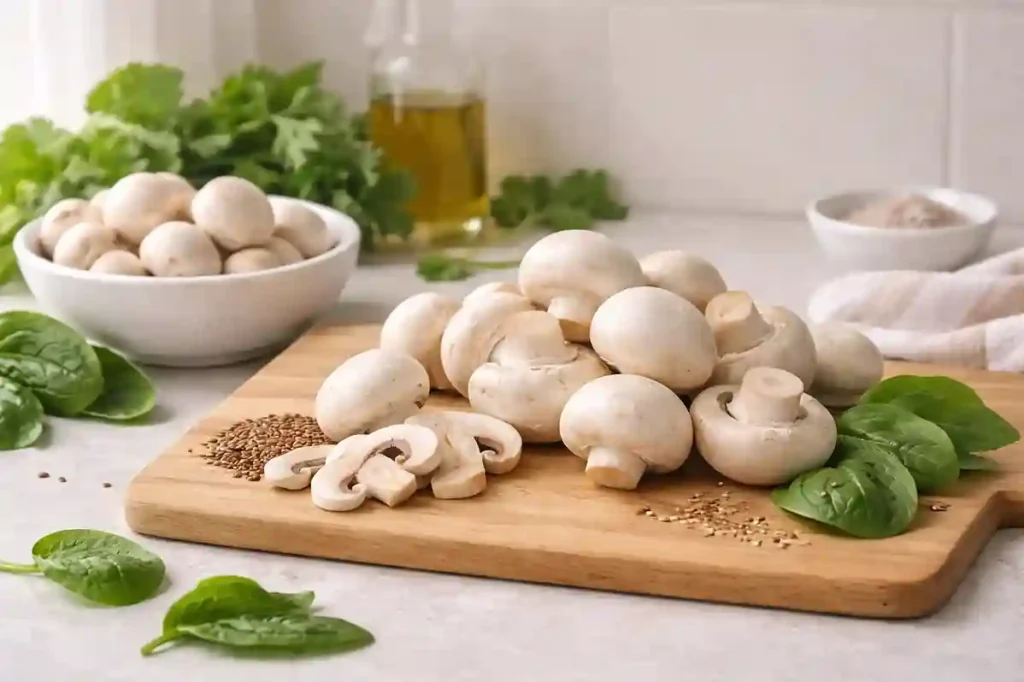
Button mushrooms provide several essential vitamins. B vitamins stand out the most. These include riboflavin, niacin, and pantothenic acid. Each supports energy metabolism and nervous system health.
They also contain small amounts of vitamin D. When exposed to light, levels increase naturally. Vitamin D supports bone strength and immune balance. This benefit becomes especially useful in plant-based diets.
Folate appears in moderate amounts. It supports cell growth and red blood cell formation. Together, these vitamins help the body convert food into usable energy. They also support daily mental and physical performance.
Essential Minerals and Antioxidants
Button mushrooms supply important minerals like potassium, phosphorus, and selenium. Potassium supports heart rhythm and fluid balance. Phosphorus aids bone and tissue health. Selenium acts as a powerful antioxidant mineral.
Antioxidants found in these mushrooms help reduce oxidative stress. Compounds like ergothioneine protect cells from damage. This protection supports immune strength and healthy aging.
Copper also appears in small amounts. It helps iron absorption and connective tissue formation. Although trace-based, these minerals add meaningful value over time. Overall, this nutritional profile explains their popularity. Button mushrooms deliver vitamins, minerals, and antioxidants with minimal calories. Because of this efficiency, they remain a smart addition to balanced, health-focused diets.
Health Benefits of Button Mushroom
Button mushrooms offer more than flavor. They provide targeted health support when included regularly. Their nutrient density makes them valuable for everyday meals.
Support Immune Health
Button mushrooms play a supportive role in immune balance. They contain antioxidants that help protect cells from oxidative stress. This protection matters because oxidative damage can weaken immune defenses over time. One key compound, ergothioneine, supports cellular health. It helps reduce inflammation. It also supports the body’s natural defense response. Selenium adds further immune support by aiding antioxidant enzymes.
Together, these nutrients help the immune system respond efficiently. Regular intake supports resilience against daily stressors. While not a cure, consistent consumption contributes to long-term immune stability.

Promote Heart Health
Button mushrooms naturally contain no cholesterol. They also remain very low in fat. This combination supports heart-conscious eating patterns.
Potassium stands out as a heart-friendly mineral. It helps regulate blood pressure. It also supports proper muscle and nerve function. Balanced potassium intake reduces strain on the cardiovascular system.
Fiber further supports heart health. It helps manage cholesterol levels. It also supports healthy digestion, which indirectly benefits circulation. When used as a meat extender, these mushrooms reduce saturated fat intake. This swap supports better heart outcomes over time.
Aid Weight Management
Button mushrooms work well in weight-focused diets. Their calorie count stays extremely low. Yet they add volume and texture to meals. This combination increases satiety without increasing energy intake.
Their fiber content slows digestion slightly. This helps control appetite between meals. Their mild flavor allows pairing with lean proteins and vegetables. Because of this, they fit structured meal plans easily.
They also replace higher-calorie ingredients without sacrificing satisfaction. Many people use them in wraps, bowls, and stir-fries. This flexibility supports sustainable weight habits rather than short-term restriction.
Support Gut Health
Fiber in button mushrooms supports digestive balance. Although modest, it feeds beneficial gut bacteria. This supports a healthier gut environment. These mushrooms also contain compounds that aid digestion gently. They do not irritate the stomach for most people. Their water content helps maintain hydration within the digestive tract. Regular inclusion supports smoother digestion and bowel regularity. Over time, this contributes to better nutrient absorption. A healthy gut also supports immune and metabolic health.
Overall, these benefits explain their growing popularity. Button mushrooms support immunity, heart health, weight balance, and digestion. Small servings, used consistently, can deliver meaningful health support.
Button Mushrooms and Plant-Based Nutrition
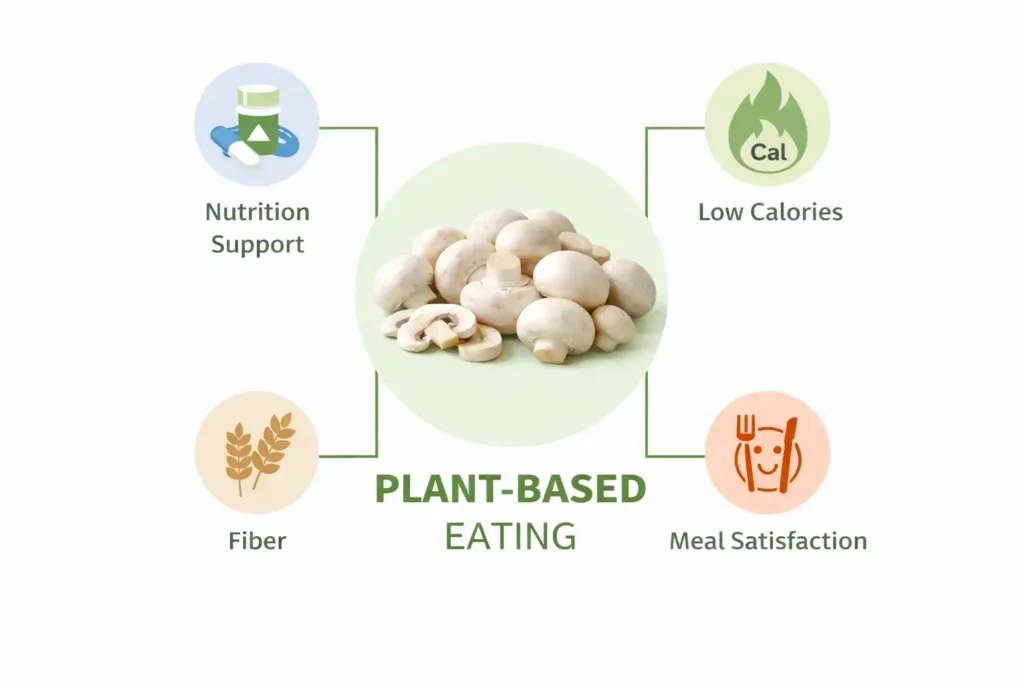
Button mushrooms play a supportive role in plant-based eating. They do not replace major protein sources. However, they add nutritional depth and meal satisfaction.
Protein Contribution From Button Mushrooms
Button mushrooms provide a modest amount of plant protein. One cup delivers small but useful protein support. While not complete on their own, they contribute to daily intake. Their protein pairs well with legumes, grains, and seeds. This combination helps balance amino acid intake. For people reducing meat, this support matters. Even small additions improve overall nutritional quality. They also contain B vitamins that support protein metabolism. This helps the body use available protein more efficiently.
Benefits for Vegetarians and Vegans
For vegetarians and vegans, button mushrooms offer versatility. They add texture that mimics meat without heaviness. This makes meals feel more filling and satisfying.
They support calorie control while still adding bulk. Their nutrient profile complements plant-based diets that may lack certain minerals. Selenium and potassium add extra value.
They also adapt well to many cooking styles. Grilling, sautéing, and roasting all work well. This flexibility helps prevent diet fatigue. Consistent variety supports long-term adherence to plant-based eating.
Pairing Button Mushrooms With Other Foods
Button mushrooms pair well with beans, lentils, and chickpeas. These combinations boost protein quality. They also pair well with whole grains like quinoa and brown rice.
Adding healthy fats improves nutrient absorption. Olive oil, nuts, and seeds work well. Herbs and spices enhance flavor without added sodium.
They also blend easily into sauces, bowls, and stir-fries. This allows easy nutrient stacking. Over time, smart pairing improves meal balance and satisfaction.
Overall, button mushrooms support plant-based nutrition through flexibility, texture, and nutrient synergy. When combined thoughtfully, they help create balanced, enjoyable meals without complexity.
How to Cook Mushrooms for Maximum Nutrition
Cooking methods affect both flavor and nutrition. With the right approach, button mushrooms retain more nutrients and taste better.
Best Cooking Methods
Light cooking works best for nutrient retention. Sautéing over medium heat preserves texture and flavor. Use minimal oil. Stir often to avoid burning. Steaming also protects nutrients. It uses gentle heat. It keeps antioxidants more stable. This method works well for soups and side dishes. Roasting adds depth of flavor. However, keep temperatures moderate. High heat for long periods can reduce vitamin content. Cook just until tender and lightly browned. Avoid boiling when possible. Nutrients may leach into water. If boiling is required, use the liquid in sauces or soups.
Common Mistakes to Avoid
Overcooking remains the biggest mistake. Mushrooms release water quickly. Too much heat makes them rubbery and less nutritious. Washing them too long also causes issues. Mushrooms absorb water easily. Instead, rinse briefly or wipe with a damp cloth. This preserves texture and flavor. Crowding the pan reduces quality. Mushrooms steam instead of sauté. Cook in batches for better browning and nutrient protection. Adding salt too early draws out moisture. Season near the end for better results.
Storage Tips for Freshness
Store button mushrooms in the refrigerator. Use a paper bag instead of plastic. This prevents moisture buildup. Store button mushrooms in the refrigerator. Use a paper bag instead of plastic. This prevents moisture buildup. Use within five to seven days for best quality. Discard slimy or darkened mushrooms promptly. Proper storage preserves nutrients and flavor. Combined with gentle cooking, button mushrooms remain both healthy and enjoyable.
Are Button Mushrooms Safe for Everyone?
Button mushrooms are generally safe for most people. However, individual needs and reactions can differ. Awareness helps ensure safe and confident consumption.

Allergy Considerations
True mushroom allergies remain rare. Still, some people experience sensitivity. Symptoms may include itching, digestive discomfort, or mild swelling. These reactions usually appear soon after eating.
People with known mold or fungal sensitivities should stay cautious. In such cases, start with a small portion. Monitor the body’s response carefully. Cooking mushrooms thoroughly may also reduce irritation for sensitive individuals.
Anyone who experiences persistent symptoms should stop consumption. Medical guidance helps confirm whether mushrooms cause the reaction.
Portion Guidance
Moderation supports safety and digestion. A typical serving equals one cup cooked. This amount provides nutrition without digestive strain.
Eating very large portions may cause bloating for some people. Mushrooms contain fiber and natural compounds that digest slowly. Spacing intake across meals helps prevent discomfort.
For children, smaller portions work best. Older adults may also benefit from moderate servings. Balanced meals improve tolerance and nutrient absorption.
When to Consult a Professional
Consult a healthcare professional if digestive issues persist. This includes bloating, nausea, or allergic symptoms. People with compromised immune systems should also seek guidance. Those on specialized diets may benefit from advice. Certain medical conditions require careful food choices. A registered dietitian can offer personalized guidance. Pregnant individuals may also consult a professional for reassurance. Although button mushrooms are considered safe, expert advice adds confidence.
Overall, button mushrooms suit most diets safely. With mindful portions and awareness, they remain a nutritious and accessible food choice.
Common Myths About Button Mushrooms
Button mushrooms often face confusion because of misinformation. Clearing these myths helps people make better food choices with confidence.
Raw vs Cooked Debate
A common myth claims raw mushrooms are always better. In reality, cooking offers advantages. Gentle heat breaks down tough cell walls. This improves digestibility and nutrient absorption.
Some compounds become more available after cooking. Antioxidants increase in certain methods like sautéing. Raw forms remain safe for many people, but they may cause stomach discomfort. Light cooking often supports better tolerance and nutrition.
Nutrition Loss Myths
Many believe cooking destroys all nutrients. This idea oversimplifies nutrition science. While some vitamins reduce slightly, others remain stable. Some even increase after cooking.
Cooking also improves mineral availability. Selenium and potassium stay largely intact. Using minimal water and moderate heat protects nutrients. Cooking methods matter more than cooking itself. Another myth suggests mushrooms lack nutrition. This ignores their vitamin, mineral, and antioxidant content. Low calories do not mean low value.
Clarifying Misconceptions
Some people think mushrooms count as vegetables. Botanically, they are fungi. Nutritionally, they still support balanced diets. This distinction does not reduce their benefits.
Another misconception links mushrooms to poor protein quality. While not a primary protein source, they contribute useful amino acids. They work best alongside other plant foods.
Finally, some believe only exotic mushrooms offer benefits. In truth, common varieties provide reliable nutrition. Accessibility does not reduce effectiveness. Understanding these facts builds trust in everyday foods. With accurate knowledge, button mushrooms become a smart and practical choice rather than a misunderstood one.
Nutrition Comparison: Button Mushrooms vs Other Common Mushrooms
| Nutrient | Button Mushrooms | Cremini Mushrooms | Portobello Mushrooms |
|---|---|---|---|
| Calories | ~15–20 kcal | ~20–25 kcal | ~30–35 kcal |
| Protein | ~2 g | ~2.5 g | ~3 g |
| Fat | ~0.2 g | ~0.3 g | ~0.5 g |
| Carbohydrates | ~3 g | ~4 g | ~5 g |
| Fiber | ~1 g | ~1.5 g | ~2 g |
| Potassium | ~300 mg | ~350 mg | ~400 mg |
| Selenium | Moderate | Moderate–High | High |
| B Vitamins | Good source | Very good source | Excellent source |
| Vitamin D* | Low–Moderate | Moderate | Moderate–High |
*Vitamin D content increases when mushrooms are exposed to light.
Harvard T.H. Chan School of Public Health – Edible Mushrooms – This reference supports information on nutrition, health benefits, and dietary use discussed in the blog.
FAQs About Button Mushroom
Conclusion
Button mushrooms may look simple. However, their nutritional value runs deep. Moreover, they provide vitamins, minerals, and antioxidants with very few calories. Because of this, they support healthier eating without added complexity. Additionally, they fit many lifestyles with ease. For example, they work well in plant-based meals. At the same time, they complement balanced diets focused on weight control, heart health, and digestion. As a result, daily use feels both practical and sustainable.
Furthermore, proper cooking helps preserve nutrition. Likewise, smart pairing improves overall meal quality. In addition, moderate portions support comfort and safety. Over time, these small habits create lasting benefits. Most importantly, button mushrooms remain highly accessible. They are affordable. They are easy to prepare. Therefore, they suit everyday cooking across cuisines.
In conclusion, including them regularly enhances both nutrition and satisfaction. Ultimately, this simple choice supports a healthier life in a realistic and achievable way.
“Simple choices, like button mushrooms, build better health.”
Add button mushrooms to your next meal and notice the difference. Share how you use them, and join the conversation on healthier everyday food choices.

Amina Pierce is a tech-savvy blogger with a specialty in electronics, where she shares practical insights on gadgets, innovations, and the latest trends shaping our digital world. With a strong interest in how technology impacts everyday life, she breaks down complex topics into clear, easy-to-understand articles for readers of all backgrounds. While electronics is her main focus, Amina also enjoys writing on a variety of other subjects, including lifestyle, travel, and personal growth, making her content both diverse and engaging.
Outside of blogging, Amina loves tinkering with new devices, exploring smart home solutions, and capturing her experiences through travel photography. Her blend of technical knowledge and approachable style makes her a trusted source of information and inspiration.