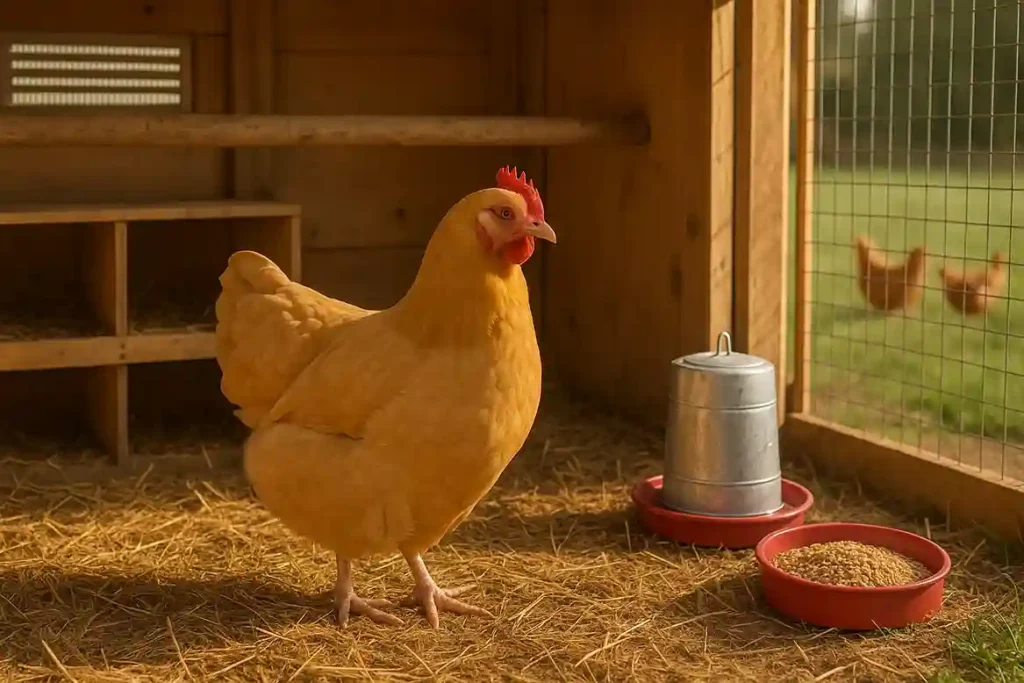
The Buff Orpington is a favorite among small farmers and backyard chicken keepers. This golden-feathered breed is calm, friendly, and easy to handle. Its gentle nature makes it great for beginners and families with children. Buff Orpingtons are also steady egg layers, giving both beauty and value to any flock.
They handle cold weather well because of their thick, soft feathers. These birds stay calm around other breeds, which helps keep the coop peaceful. Many owners choose them for their sweet personality and dependable nature.
Raising Buff Orpingtons is not hard, but it does take care and attention. They need clean housing, fresh feed, and space to move freely. When their basic needs are met, they grow healthy and happy. Learning the best ways to care for this breed helps ensure strong growth, steady laying, and a friendly, calm flock.
“Raising chickens isn’t just about collecting eggs — it’s about nurturing life, one gentle cluck at a time.”
Understanding the Buff Orpington Breed
The Buff Orpington began in England in the late 1800s. Poultry breeder William Cook created it to develop a strong, dual-purpose chicken. He wanted a bird that handled cold weather well and produced both meat and eggs. His work led to the Buff Orpington, a breed that quickly gained fame for its beauty and gentle nature.
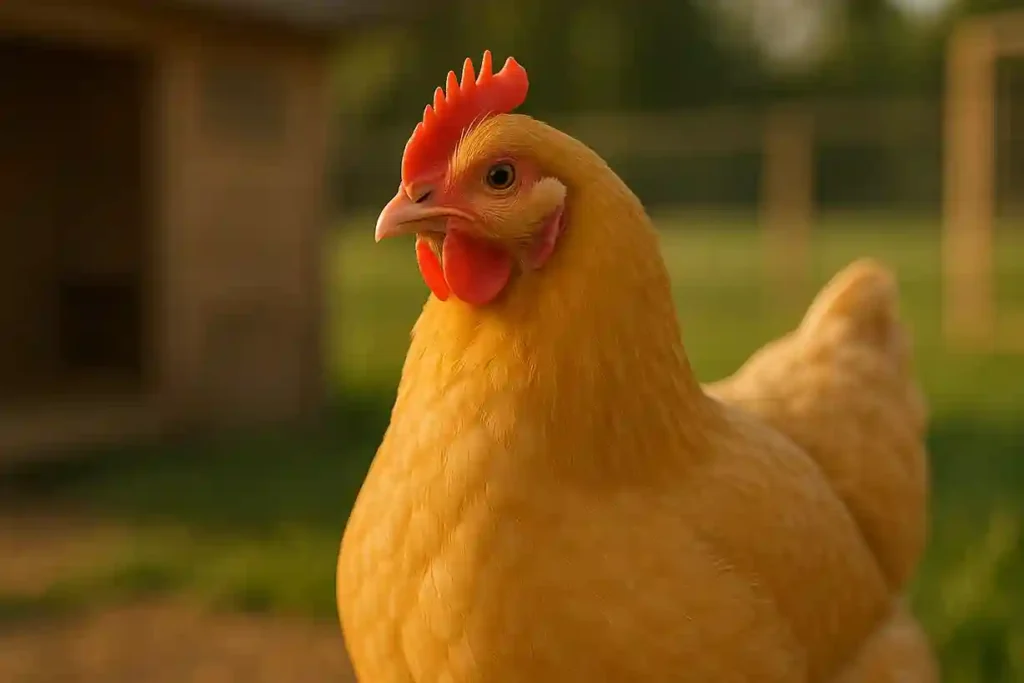
These chickens have large, rounded bodies covered in soft golden feathers. Their calm behavior makes them easy for beginners to manage. A healthy hen usually weighs about seven pounds, while a rooster can reach ten. With good care, Buff Orpingtons live six to eight years, and some thrive even longer when they receive balanced feed and protection from predators.
They lay a steady supply of brown eggs year-round and also provide quality meat. This balance of productivity and temperament gives small-scale farmers great value. Because they serve both needs, Buff Orpingtons suit backyard flocks that focus on sustainability and companionship.
Their dense feathers help them stay warm through harsh winters, which benefits keepers in northern states. Even in cold conditions, they remain active and continue laying. With their beauty, resilience, and reliable nature, Buff Orpingtons offer an ideal mix of charm and purpose. Farmers who raise them enjoy both practical results and peaceful farm life.
Choosing Healthy Buff Orpington Chicks
Raising a strong flock starts with choosing the right chicks. Healthy Buff Orpington chicks grow faster, resist disease better, and adapt easily to new surroundings. Every detail—from where you buy them to how you set up their brooder—affects their long-term success.
Spotting Healthy Buff Orpington Chicks
When you buy Buff Orpington chicks, look for signs of good health and energy. Healthy chicks should move around actively and respond quickly to sound or touch. Their eyes should be bright and clear, showing no swelling or crust. The feathers—or soft down on very young chicks—should appear smooth and clean, not patchy or dull.
Check the vent area (just under the tail) for cleanliness. A dirty or pasted vent can mean digestive trouble, which weakens young birds. Their legs should feel firm and straight, not bent or twisted. You should also notice even breathing—any wheezing or clicking sounds suggest illness.
Healthy chicks also eat eagerly and rest in short bursts, not for long, inactive stretches. Observing them before buying helps ensure you select only the strongest ones for your flock.
Choose Trusted Hatcheries or Breeders
Always buy Buff Orpington chicks from reliable hatcheries or local breeders with strong reputations. Trusted sources test for diseases, maintain clean facilities, and provide proper nutrition to breeding stock. Ask about vaccination status, hatch dates, and shipping methods before placing an order.
Avoid buying chicks from unverified online sellers or swap markets, since those sources may not follow biosecurity rules. Healthy beginnings matter more than low prices. Responsible breeders ensure you receive chicks with better survival rates and fewer early health issues.
Setting Up the Brooder for Early Growth
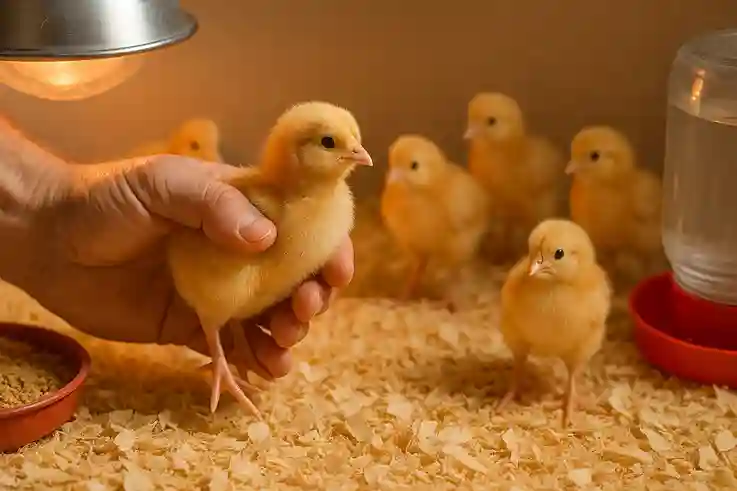
A warm, clean brooder keeps Buff Orpington chicks comfortable and safe in their first few weeks. Maintain the brooder temperature around 95°F (35°C) during the first week, then lower it by 5°F each week until they are fully feathered.
Use pine shavings or rice husks for bedding—both absorb moisture well. Avoid slippery surfaces like newspaper, which can cause leg problems. Keep food and water clean, placing them on low stands to prevent contamination.
Feed high-quality chick starter feed with at least 18–20% protein to support rapid growth. Fresh water should always be available, and it helps to add small stones in the waterer to prevent drowning.
Provide space for movement and rest. Overcrowding causes stress, slows growth, and can lead to feather pecking. Good airflow helps reduce odor and keeps the brooder dry.
Quick Checklist for Selecting and Caring for Chicks
- Choose active, alert chicks with clean vents and bright eyes.
- Check for straight legs and smooth breathing.
- Buy from trusted hatcheries or local breeders.
- Keep brooder temperature at 95°F for the first week.
- Use clean, dry bedding and good ventilation.
- Provide balanced starter feed and fresh water daily.
- Reduce heat gradually as chicks grow.
Setting Up the Ideal Coop and Run
Creating the right living space for your Buff Orpington flock makes a major difference in their health and productivity. When the coop design supports comfort, your birds stay active, lay more eggs, and live longer. Therefore, paying attention to every detail—from space and lighting to temperature control—helps you build a balanced, thriving flock.
Space Requirements Per Bird
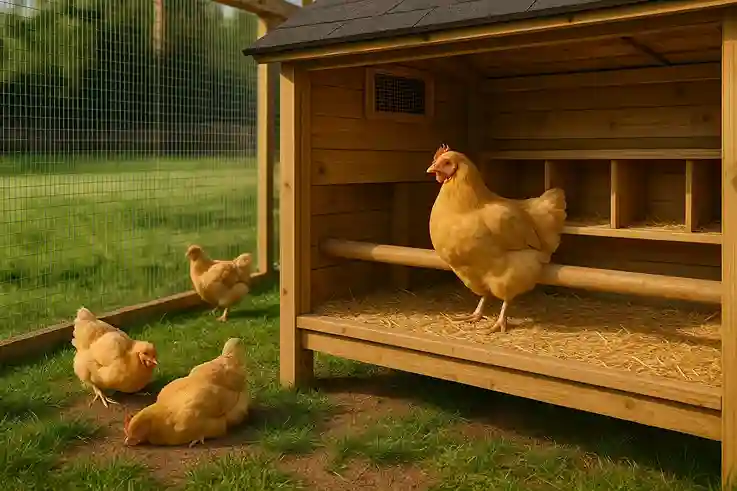
Buff Orpingtons are large, gentle chickens that enjoy room to move. Each bird needs at least 4 square feet inside the coop and 10 square feet in the outdoor run. With this space, they can stretch their wings, dust bathe, and forage naturally. Moreover, giving them enough room prevents stress and reduces feather pecking. When chickens feel comfortable, they show better egg production and improved overall health.
If you plan to expand your flock later, it’s wise to design a slightly larger coop from the start. That way, your chickens can grow without needing frequent structural changes.
Proper Ventilation and Lighting
Good airflow is just as important as space. Without it, moisture builds up, which increases the risk of respiratory problems. Therefore, install vents near the roofline to let warm air escape while still protecting your flock from drafts. During warmer months, keep windows open with mesh covers for both airflow and predator protection.
Lighting also affects egg production. Hens need around 14 hours of light daily to maintain steady laying. If natural daylight shortens in winter, use soft, timed lights to mimic sunlight. However, avoid harsh bulbs that create stress or heat buildup. Balanced light and air circulation keep your Buff Orpingtons energetic and healthy throughout the year.
Flooring and Nesting Box Setup
For flooring, choose materials that stay dry and easy to clean. Many farmers prefer wood shavings, straw, or sand, as they absorb moisture and control odor well. In addition, slanted or raised floors help prevent standing water and discourage pests.
Provide one nesting box for every three hens to keep laying smooth and consistent. Line each box with soft straw or shavings, and keep them in quiet, shaded areas of the coop. When hens feel safe and undisturbed, they lay more regularly and with stronger shells.
Maintaining Comfort in All Seasons
Temperature balance plays a big role in keeping Buff Orpingtons happy. Because this breed tolerates cold better than heat, focus on keeping the coop warm in winter and cool in summer. In winter, add insulation and block drafts with curtains or straw bales. Yet, ensure enough airflow to prevent moisture buildup.
During summer, provide shade, cool water, and open ventilation to reduce heat stress. You can even install a small fan or misting system if needed. As a result, the chickens remain active, eat well, and maintain egg production despite changing weather.
Comfort directly affects how much your Buff Orpingtons produce. When they live in clean, well-lit, and well-spaced conditions, they lay more eggs and grow stronger. Furthermore, calm birds waste less energy on stress behaviors and use that energy for growth and laying.
In short, a well-designed coop and run create harmony between health and performance. With the right setup, your Buff Orpingtons reward your care with steady production, peaceful behavior, and lasting vitality.
Feeding and Nutrition for Buff Orpingtons
Feeding your Buff Orpingtons the right diet at every life stage helps them grow stronger, stay healthier, and produce more eggs. Because this breed grows quickly and lays steadily, balanced nutrition supports both their body development and energy levels. Moreover, consistency in feeding routines keeps them calm and productive throughout the year.

Balanced Diet Across Life Stages
A Buff Orpington’s diet should match its age and purpose. Chicks need starter feed with about 18–20% protein to build muscle and feathers. After six weeks, they move to grower feed, which contains slightly less protein but more nutrients for steady development. Once they reach laying age—around 18 to 20 weeks—switch to layer feed rich in calcium to strengthen eggshells and maintain health.
Additionally, provide clean water at all times since hydration affects digestion and egg quality. Without enough water, hens may stop laying or become weak. Therefore, make sure their drinkers stay full and fresh, especially during warm weather.
The Role of Grit, Calcium, and Fresh Greens
Because chickens lack teeth, grit is essential for grinding food inside their gizzards. Offer small granite grit separately so your Buff Orpingtons can digest grains efficiently. Meanwhile, calcium supports eggshell formation and bone strength. Crushed oyster shells or limestone work well and should always be available in a separate dish.
Fresh greens such as spinach, kale, or lettuce add vitamins and variety to their diet. However, introduce greens slowly to avoid upsetting their digestion. When fed regularly, greens boost immunity and make yolks richer in color and nutrients. Furthermore, these small changes promote natural foraging behavior, keeping your flock active and content.
Safe Treats and Foods to Avoid
While treats make your Buff Orpingtons happy, moderation is vital. Offer scraps like cooked rice, pumpkin, or mealworms as occasional rewards. However, avoid salty, sugary, or moldy foods, which can cause health problems. Never feed them avocado, raw potatoes, chocolate, or onions—these are toxic to chickens.
Healthy treats not only add variety but also help with bonding. As a result, your flock becomes friendlier and easier to manage. Just remember that treats should make up no more than 10% of their diet to maintain proper nutrition.
Importance of a Consistent Feeding Schedule
Feeding your Buff Orpingtons at the same times each day helps regulate their digestion and improves egg yield. Chickens thrive on routine, and they learn when to expect food. As a result, they stay calmer and more efficient in their laying cycles.
Keep feeders clean and well-stocked, and remove leftover feed daily to prevent spoilage. A steady schedule also makes it easier to notice changes in appetite, which can signal illness. In addition, structured feeding supports better weight control and higher energy during peak laying seasons.
Common Health Issues and Prevention
Even though the Buff Orpington is a hardy and calm breed, good health care remains essential. Their thick feathers, close contact in the coop, and natural curiosity make them prone to a few common issues. By maintaining daily routines and a clean environment, you can prevent most problems before they begin.
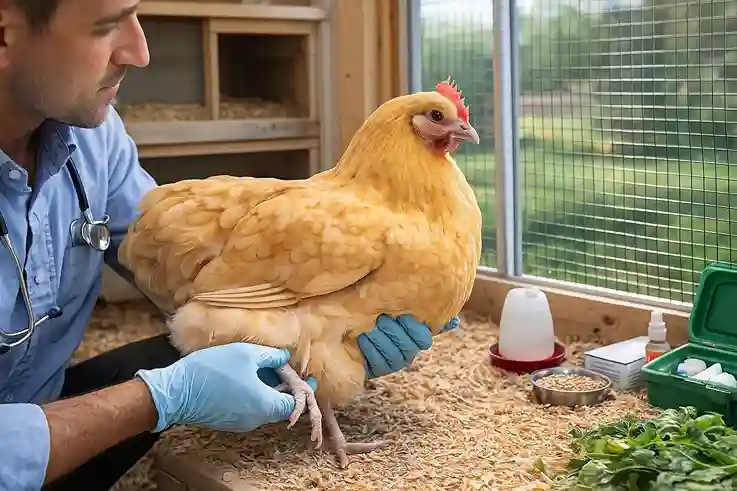
Typical Health Problems in Buff Orpingtons
Buff Orpingtons can face mites, lice, and respiratory infections. External parasites like mites and lice often hide under feathers or around the vent area. They cause itching, feather loss, and restlessness, especially at night. Because of their dense plumage, infestations can spread quickly if left unchecked.
Respiratory issues, such as sneezing, coughing, or nasal discharge, usually appear when ventilation is poor or humidity is high. These infections spread easily among chickens, so quick action matters. In addition, foot problems like bumblefoot (caused by cuts or rough surfaces) can affect heavy breeds that spend time on hard ground.
Signs to Watch For and Simple Daily Checks
Observation is the key to prevention. Check your Buff Orpingtons daily for signs of trouble. Dull feathers, pale combs, slow movement, or loss of appetite often indicate illness. Examine their eyes and nostrils for discharge, and look under the wings and tail for parasites.
Also, notice changes in droppings or egg production—these small shifts can signal health concerns early. By catching symptoms quickly, you can treat mild problems before they become serious. Regular handling helps you spot these changes more easily and builds trust with your birds.
Hygiene and Coop Cleaning Routines
A clean coop protects your flock from most diseases. Remove droppings and wet bedding every few days, and replace it with dry, fresh material. Wash feeders and waterers weekly to prevent bacteria buildup. Every month, disinfect perches, nesting boxes, and floors with a mild, poultry-safe cleaner.
Good ventilation reduces moisture and discourages mold growth, which supports better respiratory health. In addition, using diatomaceous earth or wood ash in dust baths helps control mites naturally. Keeping a dry, well-lit, and well-ventilated coop ensures your Buff Orpingtons stay comfortable and resilient.
Natural Remedies and Vaccination Advice
Natural care works well alongside basic prevention. Garlic, apple cider vinegar, and oregano oil in small amounts can strengthen immunity and improve digestion. However, use them moderately and monitor your flock’s response.
For beginners, following a vaccination schedule from a trusted hatchery or local vet adds another layer of protection. Common vaccines cover Marek’s disease, Newcastle disease, and infectious bronchitis. Always verify the vaccination history when buying chicks and continue preventive care as they grow.
Prevention always works better than treatment. When you maintain clean housing, balanced feeding, and consistent observation, your Buff Orpingtons stay healthy and active. Furthermore, their calm personalities make daily checks easier, allowing you to catch small issues before they spread.
With patience, routine, and natural care, you can build a flock that thrives year-round—strong, vibrant, and full of life.
Breeding and Egg Production Insights
Buff Orpingtons are famous for their steady egg production and gentle brooding instincts. With the right mix of lighting, nutrition, and comfort, you can encourage consistent laying and even try home breeding. Because this breed matures slowly compared to others, patience and steady care bring the best results.

Encouraging Regular Laying
Buff Orpington hens usually begin laying around 18 to 24 weeks of age. To maintain a healthy rhythm, ensure they receive about 14 to 16 hours of light daily. During short winter days, use soft, warm bulbs on a timer to extend daylight hours without overheating the coop. Consistent light keeps hens active and reduces stress, which leads to more eggs.
Feed also plays a big role. Offer layer feed rich in protein and calcium to support both egg formation and shell strength. Adding crushed oyster shells or limestone as a supplement helps maintain firm, smooth eggshells. Furthermore, provide clean water at all times since dehydration directly affects laying consistency.
Comfort matters, too. Hens prefer quiet, dimly lit nesting boxes lined with dry straw or shavings. When they feel safe, they lay more often and with higher-quality shells. A calm, clean coop always leads to a happier, more productive flock.
Basic Incubation for Home Breeding
Buff Orpingtons make excellent mothers, yet you can also hatch eggs using an incubator. If you plan to breed at home, choose clean, medium-sized eggs with no cracks or deformities. Maintain the incubator at 99.5°F (37.5°C) with humidity between 40–50% for the first 18 days. Then, increase humidity to 65–70% during the final three days to help chicks hatch easily.
Turn the eggs three to five times daily until day 18. Turning prevents the embryo from sticking to the shell and supports even growth. Once the chicks begin pipping (breaking the shell), avoid opening the incubator too often—humidity drops can make hatching difficult. With patience, healthy chicks emerge after about 21 days.
If you prefer natural hatching, a broody Buff Orpington hen can handle incubation herself. She keeps the eggs warm, turns them naturally, and protects her chicks once they hatch. This instinct makes her an excellent choice for small-scale or backyard breeding.
Average Egg Count and Shell Quality Tips
A healthy Buff Orpington hen lays about 200 to 280 eggs per year. Although production slows slightly during winter, maintaining warmth and good nutrition helps reduce the drop. Offer consistent calcium sources and fresh greens to improve shell texture and color.
Avoid sudden feed changes, as they can temporarily stop egg laying. Regular cleaning of nesting boxes and maintaining dry bedding also help prevent dirty or thin-shelled eggs. Remember, stress affects both quantity and quality, so keep their routine calm and predictable.
Caring for Chicks in Colder Months
When chicks hatch in cold weather, extra warmth becomes crucial. Use a brooder lamp or heating plate to maintain a steady 95°F (35°C) during their first week. Gradually lower the temperature by 5°F each week until they are fully feathered.
Provide dry bedding and block drafts to prevent chilling. Fresh water, chick starter feed, and gentle handling keep them active and strong. As they grow, move them gradually into cooler spaces so their bodies adjust naturally.
Moreover, watch for early signs of weakness—drooping wings or huddling too close to heat can mean discomfort. A balanced environment helps them thrive, even when the air outside feels cold.
From Egg to Flock Success
Strong breeding practices and steady egg management keep your Buff Orpington flock healthy and productive. Each stage—from laying to hatching—requires attention, but the reward is a vibrant, growing flock that sustains itself naturally. With care, warmth, and consistency, your Buff Orpingtons will fill your coop with life, color, and steady production all year long.
Beginner Mistakes to Avoid with Buff Orpington
Raising Buff Orpingtons is rewarding, but beginners often make simple mistakes that cause stress or health issues. Because this breed is gentle and easy to handle, many new keepers underestimate the care they need. By avoiding common errors, you can build a peaceful and productive flock.
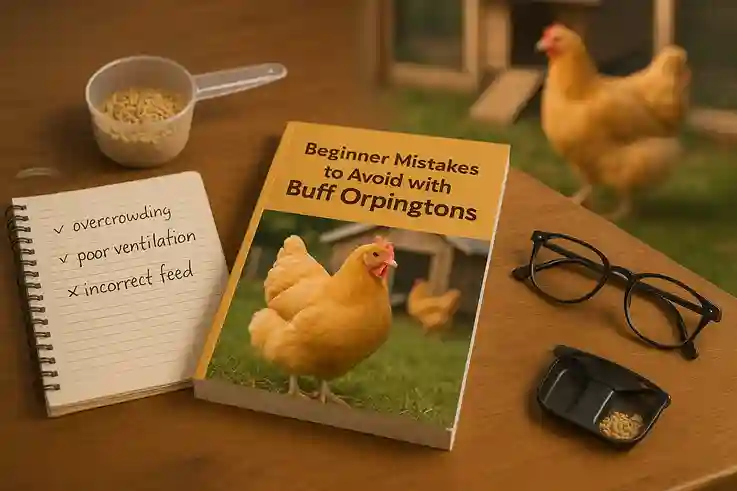
Overcrowding and Poor Coop Maintenance
Buff Orpingtons are large birds that need enough room to move freely. When too many chickens share a small coop, stress levels rise, and fights become more frequent. In addition, overcrowding increases the risk of disease because droppings build up faster and air circulation becomes limited.
To prevent this, provide at least 4 square feet of indoor space and 10 square feet of outdoor space per bird. Clean the coop regularly, removing droppings and wet bedding to keep ammonia levels low. Moreover, replace nesting material weekly and check for mold or pests. A clean, spacious coop leads to happier hens and better egg production.
Ignoring Parasite Control and Feed Balance
External parasites such as lice and mites can hide easily in the Buff Orpington’s thick feathers. When left untreated, these pests cause irritation, feather loss, and even anemia. Therefore, inspect your flock weekly, especially under wings and around vents. Using diatomaceous earth in dust baths helps keep parasites away naturally.
Nutrition mistakes also happen frequently. Some beginners feed too many scraps or unbalanced diets. Buff Orpingtons need proper layer feed with the right protein and calcium levels. Avoid replacing their main feed with treats, as it lowers egg output and causes nutrient deficiencies. By maintaining both feed quality and portion control, you help them grow strong and stay healthy.
Neglecting Observation and Overfeeding Treats
Daily observation is essential. Watch for early signs of illness such as dull feathers, slow movement, or sudden silence. Quick attention prevents small problems from turning serious.
Too many treats can also hurt your flock. Buff Orpingtons love snacks, but overfeeding makes them overweight and reduces egg production. Keep treats under 10% of their total diet. Simple moderation ensures healthier, more active birds.
Rushing Learning and Lacking Patience
Raising chickens takes time. New keepers often expect fast results, but patience matters most. Buff Orpingtons need time to adjust, trust, and grow. Start with a small flock before adding more birds.
As you gain experience, you’ll learn how temperature, light, and feeding affect their mood and laying. Stay calm and steady—your flock will follow your rhythm.
Avoiding these mistakes helps you raise Buff Orpingtons with confidence. Clean housing, balanced feed, and regular observation build a strong foundation. Over time, your birds will reward your care with steady eggs and peaceful behavior. With patience and simple routines, you’ll enjoy a healthy, happy flock that thrives year after year.
Frequently Asked Questions About Buff Orpington
Utah State University Extension — “Basics for Raising Backyard Chickens” offers a clear, research-based guide on housing, brooding, and overall chicken care for beginners.
Conclusion: Building a Happy and Healthy Buff Orpington Flock
Raising Buff Orpingtons combines calm companionship with practical rewards. Their gentle nature, reliable egg production, and cold tolerance make them one of the best breeds for both beginners and experienced keepers. When you provide balanced feed, a clean coop, and enough space, they return the effort with steady growth and healthy eggs.
Consistency truly matters. Regular observation, good hygiene, and patient learning help prevent most problems before they start. Moreover, giving them comfort through proper lighting, warmth, and nutrition keeps your flock active all year.
Whether you raise them for fresh eggs, breeding, or the joy of farm life, Buff Orpingtons bring beauty and peace to every backyard. With time and care, your flock becomes more than livestock—it becomes part of your daily rhythm. Stay patient, keep learning, and your Buff Orpingtons will reward you with years of trust, health, and gentle clucks that fill your farm with life.
Have you raised Buff Orpingtons before, or are you planning to start your first flock soon? 🐔
Share your experiences, tips, or questions in the comments below! Your insight could help another beginner start their journey toward a healthy, happy coop.

Michael Reyes is a versatile blogger with a primary focus on farming and sustainable living. Growing up close to nature, he developed a deep interest in agriculture and enjoys sharing practical tips on backyard farming, modern cultivation techniques, and eco-friendly practices. While farming remains his specialty, Michael also writes on a wide range of topics, from lifestyle and travel to everyday inspiration, making his work relatable to a broad audience.
Outside of writing, Michael enjoys spending time outdoors, experimenting with new farming methods, and exploring different cultures through food and travel. His approachable voice and well-researched insights make his blogs both informative and engaging.