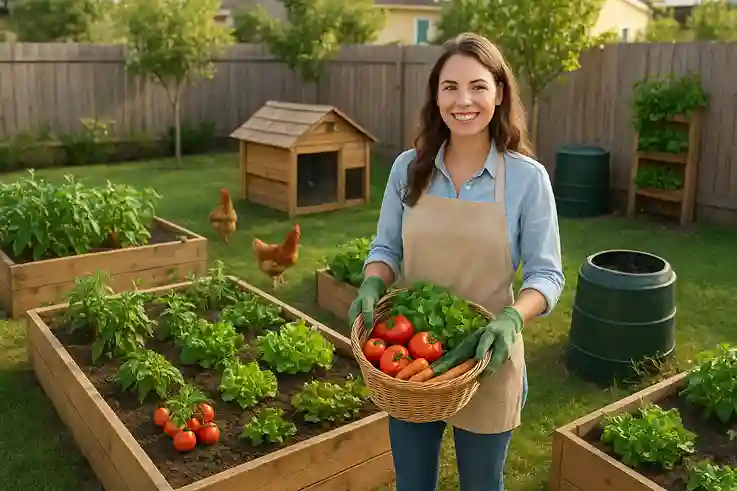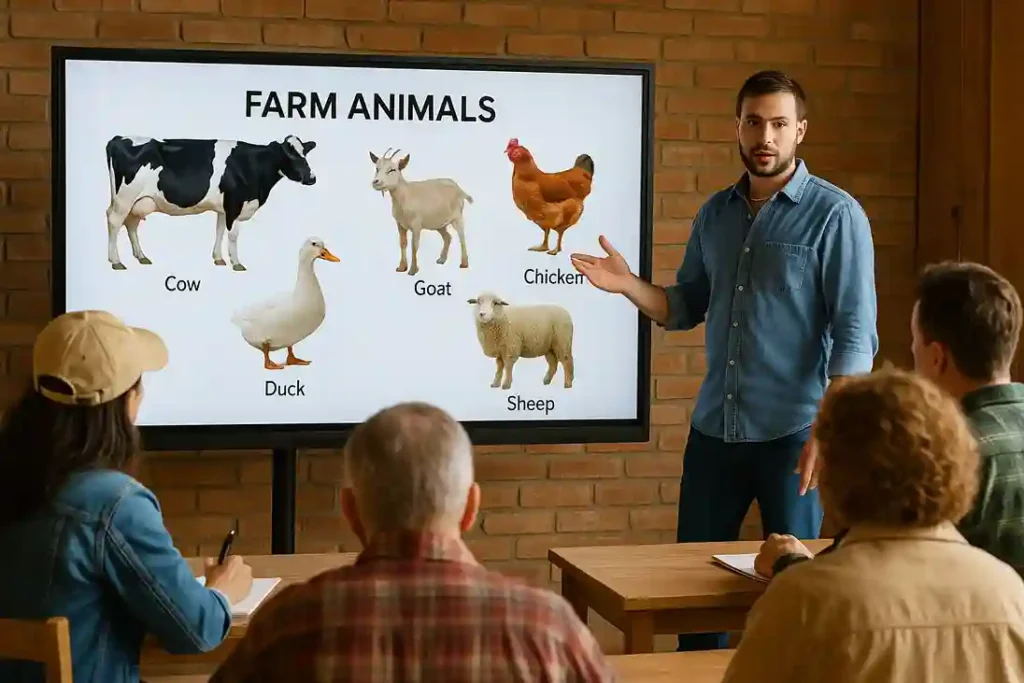
Starting a small homestead brings both excitement and responsibility. The type of farm animals you choose will shape how smoothly your homestead runs each day. The right mix ensures a steady supply of food, manageable chores, and healthy animals. On the other hand, the wrong choices can create stress, wasted feed, and overcrowding.
A well-planned homestead thrives on balance. Every species should match your available space, climate, and time. For instance, chickens provide eggs and pest control without needing much land, while goats supply milk but require sturdy fencing and more care. By choosing smartly, you can boost productivity while keeping maintenance simple.
Beginners often do best by starting small. Raising just one or two types of farm animals allows you to learn feeding, sheltering, and healthcare routines. As confidence grows, you can expand gradually—adding ducks for eggs, rabbits for meat, or goats for milk. This steady approach builds skill, reduces mistakes, and keeps the homestead sustainable in the long run.
Ultimately, success depends on knowing what fits your goals and resources. With thoughtful planning, even a modest backyard can support happy, productive farm animals and a self-reliant way of life.
Factors to Consider Before Bringing Farm Animals Home
Choosing farm animals for a small homestead takes more than enthusiasm. Every animal brings its own space, feed, and care demands. Careful planning ensures a healthy, efficient setup that matches your land and lifestyle. Below are the most important factors to consider before you welcome your first animals.

Space and Shelter Needs
Each animal species needs adequate room to live comfortably. Chickens thrive in small coops with outdoor runs, while goats or sheep require fenced pastures. Overcrowding leads to stress, disease, and aggressive behavior. It’s wise to calculate square footage per animal before buying any livestock.
Shelter plays an equal role. Proper housing shields animals from wind, rain, and predators. Simple wooden structures or repurposed sheds can serve as protection, provided they stay clean and dry. Ventilation is crucial, too—fresh air reduces odor and keeps respiratory issues away. Think long-term when building shelters; durable designs save effort and money over time.
Feed and Water Availability
Reliable access to fresh water is vital for all farm animals. Each species drinks different amounts, but every one needs a steady source daily. In colder climates, heated buckets prevent freezing, while in warmer areas, shade and trough cleaning are essential.
Feed costs often form the largest part of animal upkeep. Some animals graze freely, while others rely on purchased grain or pellets. Growing part of your feed—like fodder or garden scraps—can lower expenses. Always research dietary needs before choosing animals; nutritional imbalances can reduce egg, milk, or meat yield.
Local Climate and Regulations
Your region’s climate directly affects which animals will thrive. Hardy breeds like Icelandic sheep or heritage chickens adapt well to cold, while tropical breeds handle heat better. Shelter design should match your local weather patterns for year-round comfort.
Equally important are local zoning laws and livestock regulations. Some areas limit animal numbers or require permits. Checking these early prevents future fines or forced removals. Contact your local agricultural office or cooperative extension before starting your homestead.
Time Commitment and Care Level
Raising farm animals is rewarding, but it’s also demanding. Chickens need daily feeding and egg collection. Goats and cows require milking schedules. Even small herds need consistent cleaning, grooming, and observation. Choose animals that match your available time and experience level.
Sustainable Goals and Personal Purpose
Before you invest, define your purpose. Are you seeking milk, eggs, meat, or fiber—or simply companionship and pest control? Aligning your goals with your resources builds sustainability. A balanced mix of animals can create a self-supporting system, where waste becomes compost and every creature serves a purpose.
Thoughtful preparation ensures your farm animals stay healthy, productive, and happy—laying the foundation for a thriving, sustainable homestead.
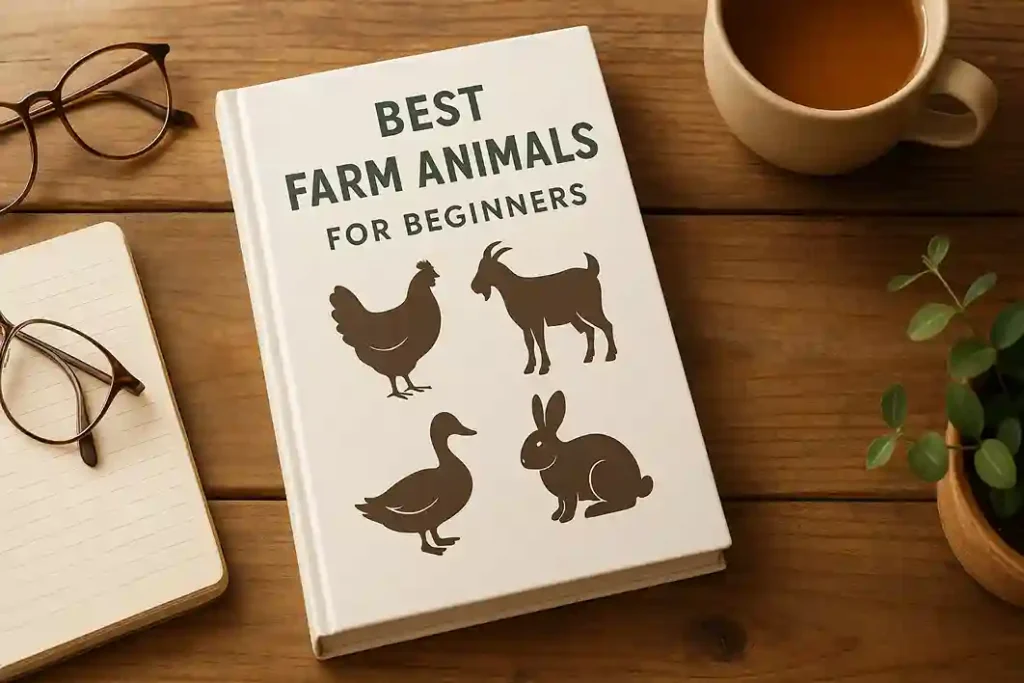
Best Farm Animals for Beginners
Starting small is the smartest way to build a homestead. For first-time owners, choosing hardy and low-maintenance farm animals helps reduce stress and ensures success. The best beginner animals are adaptable, friendly, and rewarding to raise. Below are a few of the easiest species to manage when starting your journey toward self-sufficiency.
Chickens: Low-Cost, Great Egg Producers
Chickens are often the first choice for new homesteaders—and for good reason. They are affordable, versatile, and provide fresh eggs daily with minimal effort. A small flock of hens thrives even in modest backyards. With a secure coop, good feed, and fresh water, they stay healthy and productive all year.
Chickens also help manage pests by eating insects and garden scraps. Breeds like Rhode Island Red and Plymouth Rock are hardy, calm, and great for beginners. In return for care and kitchen leftovers, these farm animals reward owners with steady egg production and easy companionship.
Ducks: Pest Control and Egg Variety
Ducks are another excellent beginner option. They are resilient, rarely fall ill, and produce rich, flavorful eggs. Unlike chickens, ducks love wet areas and thrive near ponds or water troughs. Their diet naturally includes slugs, snails, and weeds—making them outstanding organic pest control partners.
Popular breeds such as Khaki Campbell or Pekin adapt well to different climates. They need a small shelter and clean water for swimming or splashing. Their cheerful personalities and soft quacking add charm to any homestead while keeping gardens healthy and pest-free.
Rabbits: Efficient Breeders and Meat Source
Rabbits take up very little space and multiply quickly, offering a reliable meat source for small-scale homesteaders. They require clean hutches, constant fresh water, and high-fiber diets from hay or greens. New Zealand and Californian breeds are known for fast growth and gentle temperaments.
Rabbits produce rich manure that benefits gardens without needing composting. Quiet, odor-free, and efficient, these farm animals fit easily into urban or rural setups alike. They’re perfect for learning animal care routines without overwhelming space or resources.
Goats: Dual-Purpose for Milk and Brush Clearing
Goats provide both milk and land management benefits. They are hardy, intelligent, and able to thrive on minimal feed. A pair of goats can produce enough milk for a small family while clearing brush and weeds from your property.
Nigerian Dwarf and Nubian goats are popular beginner breeds because of their manageable size and friendly behavior. Goats do need strong fencing—they’re playful and skilled escape artists—but their adaptability and productivity make them a valuable addition to any homestead.
For new homesteaders, starting with these manageable farm animals ensures an enjoyable and productive beginning. Each one teaches key lessons about care, feeding, and sustainability—forming the foundation of a thriving, long-term homestead.
Small Livestock That Maximize Value on Limited Land
When land is scarce, efficiency becomes essential. Choosing farm animals that thrive in smaller spaces allows homesteaders to produce food without overburdening their land. The key lies in selecting animals with excellent feed-to-productivity ratios and adaptable temperaments. With smart planning, you can rotate grazing areas or let different species share zones safely, keeping pastures healthy and productive.
Below are three ideal small livestock options that deliver maximum value on minimal acreage.
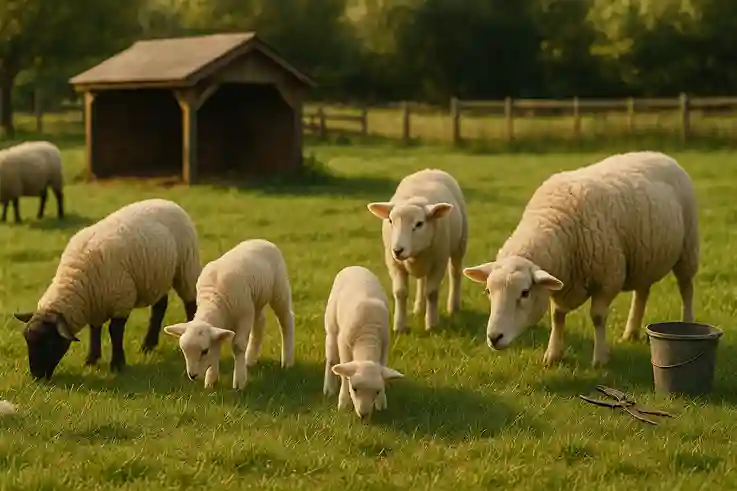
Sheep: Compact Grazers for Meat and Wool
Sheep are among the most space-efficient farm animals for small properties. They graze naturally on grass and weeds, reducing the need for purchased feed. Their manure enriches soil, making them perfect partners for sustainable land management. Many breeds, like the Katahdin or Dorper, don’t require shearing, saving both time and money.
Beyond their low upkeep, sheep offer multiple returns—tender meat, wool, and even milk in some breeds. They adapt well to rotational grazing systems, where pastures rest and regrow between uses. This approach prevents overgrazing and keeps forage healthy. A small flock of five to six ewes can easily supply meat and fiber for an entire family while maintaining the land’s balance.
Miniature Cattle: Manageable Dairy and Beef Source
Miniature cattle deliver the benefits of traditional cows without needing vast pastures. Breeds such as Dexter or Mini Jersey consume less feed and require smaller barns, making them ideal for tight homesteads. Despite their compact size, they yield high-quality milk and lean beef, often enough to sustain a household’s needs.
These calm, hardy farm animals are efficient grazers, making rotational systems easy to maintain. They improve soil health through natural fertilization and help control pasture growth. Mini cattle fit well into mixed setups with sheep or goats, as their grazing habits complement each other. For families seeking dairy independence or grass-fed meat, miniature cattle offer incredible long-term value on limited land.
Quail: Space-Saving Egg Producers
For the smallest plots—or even urban homesteads—quail are unbeatable. These tiny birds thrive in stacked cages or small outdoor enclosures. Their feed needs are minimal, yet they produce delicate, protein-rich eggs almost daily. Coturnix quail are especially beginner-friendly, maturing in six weeks and laying quickly afterward.
Because of their quiet nature and compact size, quail can coexist peacefully with other farm animals like rabbits or chickens, provided hygiene and separation are maintained. Their droppings make excellent fertilizer, enhancing soil quality naturally. Quail represent an ideal balance between low cost, low space, and high reward—proving that even limited land can sustain a productive mini-farm.
Small livestock turn small plots into thriving ecosystems. With thoughtful rotation, mixed grazing, and efficient shelter planning, you can raise diverse farm animals while keeping land fertile, balanced, and abundantly productive.
Dual-Purpose Farm Animals for Efficiency
For small homesteads, efficiency determines sustainability. Raising farm animals that serve more than one purpose saves both money and effort. Dual-purpose species deliver meat, milk, or fiber simultaneously, making them ideal for families who want variety without overcrowding their land. These animals maximize every resource—from feed and shelter to pasture space—while reducing dependence on outside supplies.
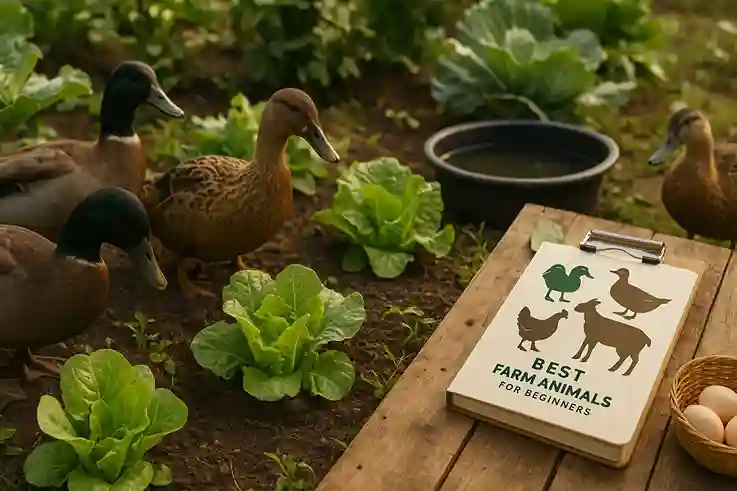
The Advantage of Multi-Use Animals
Dual-purpose animals simplify management while increasing productivity. Instead of maintaining separate species for each product, one versatile animal can meet multiple needs. This approach reduces feed costs, labor, and shelter requirements. It also promotes a closed-loop system where every output supports another—waste becomes compost, milk supports cheese-making, and grazing maintains pastures naturally.
Small homesteads benefit most from such efficiency because space and time are limited. Each animal contributes to several homestead goals, whether that’s food security, soil improvement, or income through surplus products.
Examples of Efficient Dual-Purpose Farm Animals
1. Goats – Milk and Brush Control
Goats remain one of the best dual-purpose farm animals for compact properties. Dairy breeds like Nubian or Alpine supply rich milk ideal for cheese and yogurt, while their appetite for weeds and brush helps manage land naturally. Goats require little feed beyond pasture and forage, making them cost-efficient and low-maintenance.
2. Sheep – Meat and Wool Production
Sheep provide tender meat along with valuable fiber. Dual-purpose breeds such as Dorset or Romney yield quality lamb and dense, usable wool. They graze efficiently, fertilize soil, and can rotate easily with other livestock. Their simple diets and mild temperaments make them a strong choice for homesteaders seeking long-term value.
3. Ducks – Eggs and Pest Management
Ducks lay nutrient-dense eggs while controlling garden pests like slugs and beetles. Breeds such as Khaki Campbell or Swedish Blue are hardy, adaptable, and prolific layers. They thrive in wet areas unsuitable for larger livestock, turning wasted space into productivity.
4. Miniature Cattle – Dairy and Beef Supply
Miniature cattle serve as compact milk and meat producers. Their feed requirements are roughly half that of full-sized cows, yet they deliver enough milk for family use and quality beef when raised to maturity. Their calm behavior and easy handling make them excellent for beginners.
Balancing Cost and Resource Efficiency
Dual-purpose farm animals minimize costs through shared housing, feed overlap, and manure recycling. With smart management, one pasture can support multiple productive roles. For instance, goats and chickens can share areas—goats trim vegetation while chickens control insects and scatter manure evenly.
Raising multi-use animals builds resilience and reduces dependence on single outputs. Each creature contributes more than one benefit, keeping your homestead thriving, balanced, and self-sufficient year after year.
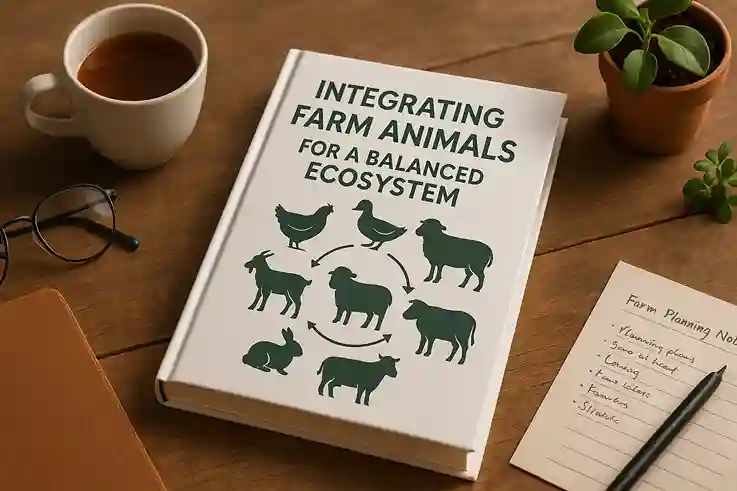
Integrating Farm Animals for a Balanced Ecosystem
A thriving homestead functions like a living web, where every element supports the others. Integrating farm animals into this system turns waste into nourishment and work into renewal. When livestock, plants, and soil interact naturally, balance emerges—boosting productivity while cutting costs. Instead of separating animals from gardens or pastures, homesteaders can create cycles that sustain both land and livestock.
Chickens: Composting and Pest Control Helpers
Chickens are small but mighty ecosystem builders. They scratch through soil, mix compost piles, and eat insects that harm crops. When given controlled access to garden beds or compost areas, they break down organic matter quickly, adding valuable nitrogen to the soil. Their manure accelerates decomposition and enriches compost without chemical fertilizers.
Rotating chickens through garden plots after harvest also helps eliminate weed seeds and larvae. They leave behind aerated soil ready for planting. By turning scraps into fertilizer, these farm animals become natural compost workers, saving both time and effort.
Goats and Sheep: Nature’s Weed Managers
Sheep and goat keep vegetation under control without machinery. Goats browse on brush, weeds, and even thorny plants, while sheep prefer grasses and soft weeds. Together, they form an efficient grazing duo that keeps pastures clean and balanced. Their continuous movement prevents overgrowth and fire hazards while improving soil fertility through manure.
Using portable fencing, you can rotate these farm animals through small sections of land. This method—called rotational grazing—gives pastures time to rest and regrow. As a result, soil retains moisture better, erosion decreases, and forage quality improves naturally.
Creating Harmony Between Plants and Livestock
When plants and animals coexist thoughtfully, the entire homestead strengthens. Manure enriches soil; healthy soil feeds plants; plants, in turn, sustain animals. Each part of the system depends on the others in a cycle that reduces waste and increases biodiversity.
Strategic placement matters. Chickens can follow goats in a grazing rotation to spread manure and remove leftover insects. Garden compost can feed crops that later produce fodder for livestock. Even small plots benefit from this circular design.
By integrating plants and farm animals harmoniously, homesteaders nurture a resilient ecosystem—one where every creature and crop contributes to long-term balance, fertility, and abundance.
Common Mistakes Small Homesteaders Make
Starting a small homestead can feel rewarding, but even passionate beginners often overlook key details. Managing farm animals successfully takes planning, observation, and consistency. Avoiding common mistakes early helps prevent financial loss, animal stress, and wasted effort. Below are frequent pitfalls new homesteaders face—and practical ways to avoid them.
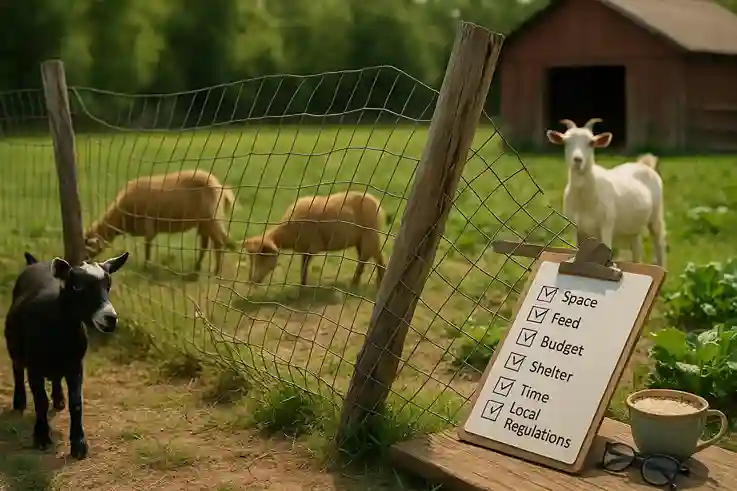
Overcrowding or Mixing Incompatible Species
One of the biggest challenges in small spaces is overcrowding. Too many animals create stress, spread disease, and reduce productivity. Each species needs specific space, ventilation, and resources to stay healthy. For instance, cramming too many chickens in one coop can lead to feather picking and illness.
Another issue arises when mixing incompatible species. Some farm animals, like goats and pigs, may fight or compete aggressively for food. Others, such as ducks and chickens, can coexist but need separate feeding areas and shelter. Researching behavior and compatibility before combining species prevents injury and keeps your homestead peaceful.
Poor Fencing or Inadequate Shelter
Good fencing and shelter form the backbone of animal safety. Weak or poorly built enclosures invite predators and allow animals to escape. Goats, for example, are notorious escape artists that test every corner of a fence. Sturdy wire fencing and secure gates are essential for containment.
Shelter should protect animals from wind, rain, and heat. Proper ventilation and dry bedding keep living areas sanitary. A simple structure built with attention to strength and drainage can last for years. Neglecting this part often leads to preventable losses and added maintenance costs.
Neglecting Local Zoning or Veterinary Requirements
Many first-time homesteaders forget to check local laws before purchasing livestock. Zoning regulations may restrict certain farm animals or limit herd sizes. Violating these rules can result in fines or forced removal of animals. Always contact your local agricultural office for guidance before investing.
Likewise, veterinary care is vital. Skipping vaccinations, parasite control, or regular health checks often leads to disease outbreaks. Establishing a relationship with a nearby vet ensures access to help when needed. Proactive care keeps animals healthy and productive year-round.
Ignoring Rotational Grazing and Soil Health
Pasture health directly affects animal health. Leaving animals in one area for too long damages grass roots and compacts soil. Rotational grazing—moving livestock between sections—lets pastures rest and recover. This system increases forage quality and reduces feed costs.
Healthy soil supports nutritious forage, which sustains healthy animals. Incorporating compost, planting cover crops, and managing manure correctly all maintain balance. Homesteaders who care for their soil create lasting productivity for generations of farm animals and crops alike.
Avoiding these mistakes builds a stronger, more sustainable homestead. With careful planning, secure structures, and mindful grazing, even a small space can thrive as a productive, harmonious home for your farm animals.
Best Practices for Sustainable Animal Care
Sustainability on a homestead begins with responsible stewardship. Caring for farm animals goes beyond feeding and housing—it involves nurturing systems that protect the land, promote animal welfare, and maintain productivity for years to come. By combining ethical breeding, mindful feeding, and ecological land use, small homesteads can stay productive while remaining kind to the environment.
Ethical Breeding and Natural Feeding
Ethical breeding focuses on quality, not quantity. Breeding animals selectively helps maintain strong genetics, disease resistance, and good temperament. Avoid overbreeding or keeping more animals than your land can support. Healthy, well-bred farm animals live longer and perform better, saving costs in the long run.
Feeding should mirror natural diets whenever possible. Pasture-based systems allow animals to graze freely and obtain nutrients from diverse vegetation. Supplementing with homegrown grains or organic feed improves animal health without chemical additives. Balanced nutrition ensures steady egg, milk, or meat production while keeping immune systems strong.
Waste Management and Composting
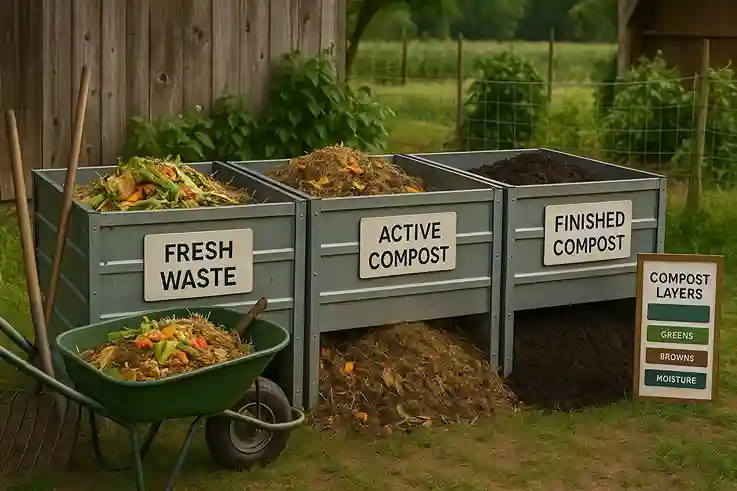
Proper waste handling turns potential problems into valuable resources. Animal manure, bedding, and food scraps can all become nutrient-rich compost. When managed well, composting reduces odor, deters flies, and improves soil fertility. Chickens, for instance, can help break down compost piles while adding nitrogen through droppings.
Never allow waste to accumulate near living areas or water sources—it can cause disease and contamination. Using separate compost zones and rotating piles ensures complete decomposition. Clean, efficient waste cycles support both the environment and the wellbeing of your farm animals.
Rotational Pasture Management
Rotational grazing keeps land healthy and productive. Moving livestock between sections allows grasses to regrow and soil to recover. It also disrupts parasite cycles, improving animal health naturally. Goats, sheep, and cattle benefit most from this system, as it encourages constant access to fresh forage.
This practice also prevents erosion and overgrazing—two common issues in fixed pastures. Using portable fencing and clear schedules helps manage rotations smoothly. Over time, rotational grazing enhances both pasture yield and animal nutrition, creating a self-sustaining balance.
Long-Term Productivity and Animal Welfare
Sustainability thrives when animals live in comfort. Proper shelter, clean water, and enrichment reduce stress and illness. Happy animals eat better, grow faster, and produce more consistently. Monitoring health, keeping records, and offering gentle handling ensure long-term success.
Caring for farm animals humanely not only supports ethical values but also strengthens the homestead’s resilience. When each system—breeding, feeding, waste recycling, and land care—works together, you create a cycle of renewal that benefits both the animals and the earth.
Practicing sustainable animal care builds harmony between people, animals, and land. With thoughtful routines and respect for nature, every small homestead can flourish—proving that productivity and compassion can thrive side by side.
For more reliable guidance on raising and managing small-scale livestock, visit the Oregon State University Extension’s Livestock Resources for Small Farms.
Frequently Asked Questions (FAQ)
Conclusion: Building a Thriving Small Homestead
Starting with the right farm animals transforms a simple plot of land into a self-sustaining ecosystem. Each animal—whether a chicken, goat, or quail—plays a unique role in feeding your family, enriching soil, and maintaining natural balance. When chosen thoughtfully, these creatures turn daily chores into purposeful routines that strengthen both the land and your connection to it.
Small homesteads thrive when care meets intention. Ethical breeding, rotational grazing, and composting create lasting productivity without exhausting resources. Every step toward sustainability—no matter how small—builds resilience and harmony between people, animals, and nature.
As you grow, expand slowly and learn from experience. Observe your land, adapt to your environment, and keep your farm animals healthy and content. Over time, your homestead will evolve into more than a food source—it will become a living partnership between earth and effort, where every creature contributes to abundance.
In the end, success doesn’t come from size but from stewardship. With patience, respect, and consistent care, even the smallest homestead can flourish beautifully for generations.
Let’s build a community where every voice helps others grow—one animal, one garden, and one homestead at a time.
Which farm animals do you think are best for small homesteads? Have you raised any of these species yourself? Share your experiences, tips, or lessons learned in the comments below. Your story could inspire and guide new homesteaders who are just starting their journey toward self-sufficiency.

Michael Reyes is a versatile blogger with a primary focus on farming and sustainable living. Growing up close to nature, he developed a deep interest in agriculture and enjoys sharing practical tips on backyard farming, modern cultivation techniques, and eco-friendly practices. While farming remains his specialty, Michael also writes on a wide range of topics, from lifestyle and travel to everyday inspiration, making his work relatable to a broad audience.
Outside of writing, Michael enjoys spending time outdoors, experimenting with new farming methods, and exploring different cultures through food and travel. His approachable voice and well-researched insights make his blogs both informative and engaging.