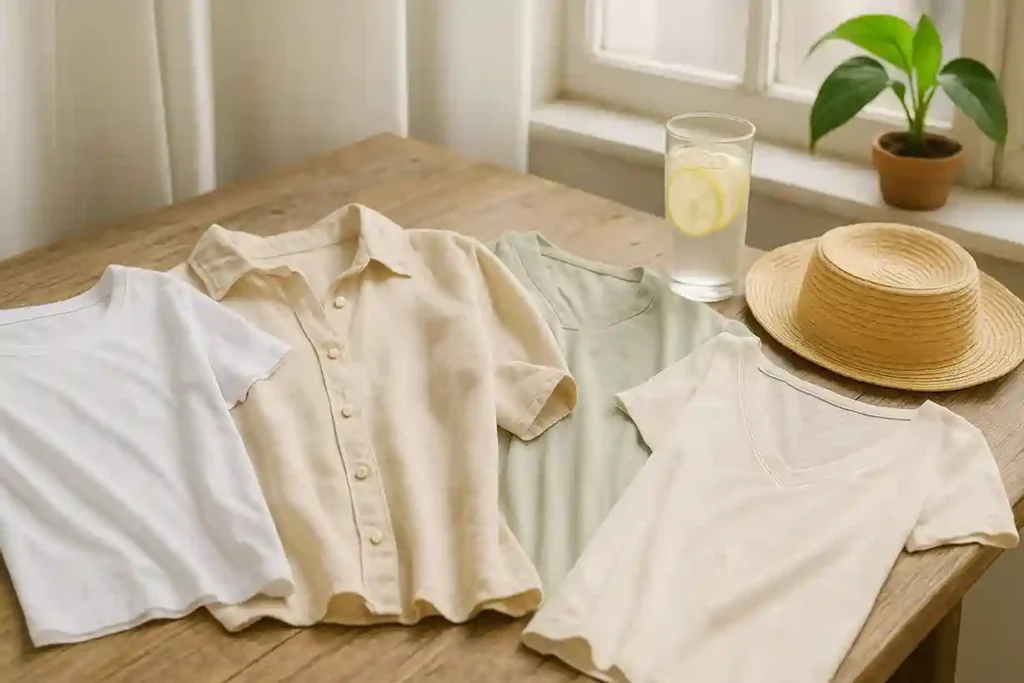
Best fabrics for humid weather can completely change how you feel on a sticky summer day. High humidity often traps heat and moisture close to your body, leaving you uncomfortable and sweaty. Clothes that are too heavy or synthetic only make the problem worse by clinging to skin and holding in heat.
The right fabrics, however, allow air to circulate and wick away moisture, keeping you cooler and more at ease. Breathable and lightweight materials not only help your body manage sweat, but also dry faster, which reduces irritation. Choosing wisely makes humid weather far more bearable, whether you are at work, traveling, or simply running errands.
In this guide, we’ll look at the best fabrics for humid weather and explain why they work so well. From natural fibers to eco-friendly blends, you’ll find smart choices that keep you cool when the air feels heavy.
Why Fabric Choice Matters in Humid Weather

Humidity traps heat and sweat against your skin, making even light activity feel exhausting. When the air is already heavy with moisture, your body struggles to cool itself through evaporation. As a result, clothing that does not breathe well only worsens the discomfort.
The choice of fabric becomes essential in these conditions. Breathable materials allow air to pass through, which helps regulate body temperature. Additionally, moisture-absorbing fabrics draw sweat away from your skin, keeping you drier for longer periods. Quick-drying fabrics also play a role by reducing that sticky, damp feeling that often lingers in humid climates.
Therefore, wearing the right fabrics is not only about style but also about comfort and health. Choosing well can prevent irritation, reduce overheating, and keep your day manageable. With breathable, moisture-friendly fabrics, you can move through humid weather with greater ease and confidence.
Cotton: A Classic Cool Choice
Breathable Natural Fiber
Cotton is one of the best fabrics for humid weather because of its breathable, natural fibers. The open structure allows air to circulate freely, which helps your body release heat and stay cooler in sticky conditions. Cotton also feels soft against the skin, making it a comfortable choice for long, hot days. It absorbs sweat quickly, offering relief when humidity is high, though it may stay damp longer than other fabrics. Still, its versatility and everyday wearability make cotton a timeless favorite for managing humid climates with ease.

Sweat Absorption
Cotton absorbs sweat effectively, which brings quick relief when the air feels heavy and humid. The fibers pull moisture away from the skin, helping you avoid that sticky feeling that often comes with synthetic fabrics. However, cotton does not dry as quickly as some other materials. Once it soaks up sweat, the fabric can stay damp for longer, leaving clothing clinging to the skin. Even so, many people find cotton’s softness and comfort worth the trade-off, especially for casual wear and relaxed outfits during humid weather.
Everyday Comfort
Despite staying damp after absorbing sweat, cotton remains soft and gentle against the body. This natural comfort makes it a dependable option when you want breathable clothing that doesn’t irritate the skin. Because of its easy feel, cotton is ideal for casual wear, relaxed fits, and everyday outfits in humid climates. A simple cotton t-shirt, sundress, or loose button-down can keep you comfortable even when the air feels heavy. While it may not perform like high-tech fabrics, cotton’s softness and versatility ensure it stays a trusted warm-weather choice.
Style Versatility
From simple t-shirts to light summer dresses, cotton adapts to many different settings with ease. Its classic look makes it suitable for casual outings, relaxed weekends, or even semi-formal events when styled well. Additionally, cotton’s wide availability ensures that you can always find it in local stores or online without difficulty. Its affordability also makes it practical, allowing you to build a comfortable wardrobe for humid weather without overspending. Because it balances comfort, style, and cost, cotton remains a go-to fabric for anyone trying to stay cool when the air feels heavy.
Linen: Light and Breezy Relief
Natural Airflow
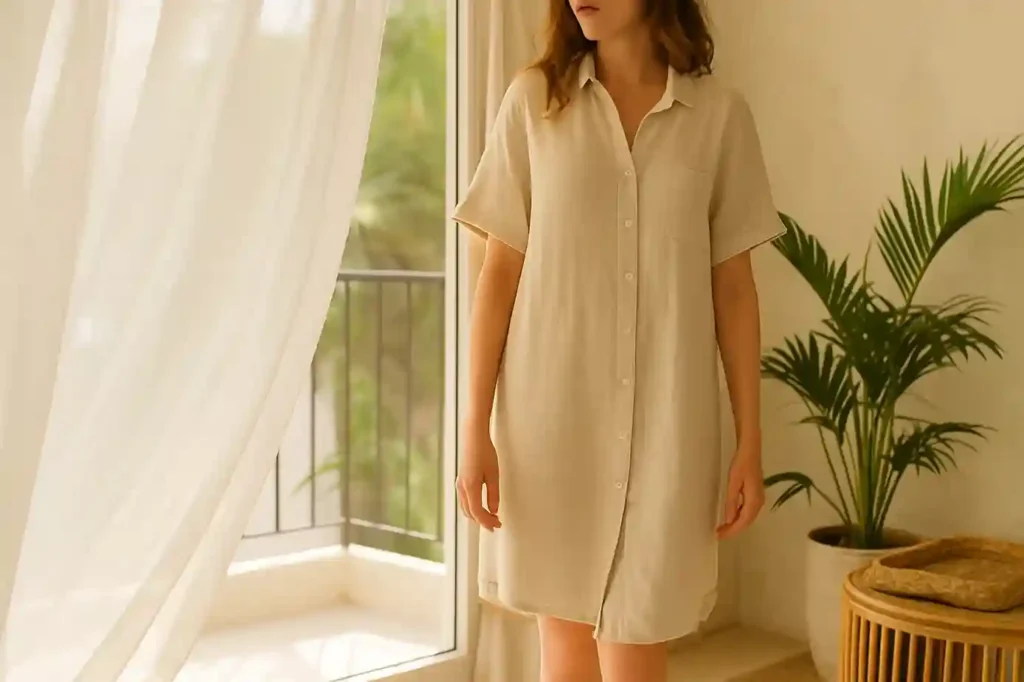
Linen’s open weave keeps air flowing, allowing heat to escape easily when the air feels heavy. This natural ventilation prevents that trapped, sticky feeling that often makes humid days uncomfortable. Because the fibers are light and loosely structured, linen creates a cooling effect that helps your body regulate temperature more effectively. This steady airflow is why linen is widely recognized as one of the best fabrics for humid weather. Whether worn as a crisp shirt, a breezy dress, or relaxed pants, linen consistently delivers comfort and breathability in hot, moisture-filled climates.
Quick-Drying Comfort
Unlike cotton, linen dries quickly after absorbing sweat, making it highly practical in humid conditions. The fibers naturally release moisture instead of trapping it, which helps clothing feel lighter and fresher throughout the day. This quick-drying quality reduces the clingy, damp sensation that often comes with other fabrics. As a result, linen not only keeps you cooler but also helps prevent skin irritation caused by prolonged moisture. Whether you are outdoors in the sun or moving through a crowded, humid space, linen ensures you stay comfortable and dry with less effort.
Everyday Wear
Linen works well for shirts, dresses, and lightweight pants, making it one of the most versatile fabrics for summer wardrobes. Its effortless drape and natural texture give outfits a relaxed yet polished look, perfect for both casual and semi-formal occasions. Additionally, linen’s neutral shades and earthy tones pair easily with other fabrics, making it simple to mix and match.
This combination of style and practicality ensures you stay comfortable without sacrificing elegance. For hot, humid days when you want clothing that looks refined but still feels breathable, linen is always a reliable choice.
Bamboo Fabric: Eco-Friendly and Breathable
Moisture-Wicking Comfort
Bamboo fabric is one of the best fabrics for humid weather because of its powerful moisture-wicking qualities. The fibers naturally pull sweat away from the skin and allow it to evaporate faster, which prevents that damp, sticky feeling.
This makes bamboo especially valuable on days when humidity is high and airflow is limited. Unlike heavier fabrics that trap moisture, bamboo stays light and breathable, helping your body regulate temperature more easily. Whether worn in casual tops, activewear, or lightweight sleepwear, bamboo ensures you remain drier and more comfortable throughout long, humid days.
Naturally Soft and Antibacterial
Bamboo is naturally soft, smooth, and gentle against the skin, which makes it a comfortable choice for daily wear in humid weather. The fabric feels lighter than many other natural fibers, reducing irritation when the air is sticky. Additionally, bamboo carries natural antibacterial properties that help minimize odor buildup.
This feature is especially useful on long, humid days when sweat and heat often cause clothes to smell quickly. By staying fresher for longer, bamboo clothing not only improves comfort but also reduces the need for frequent washing, making it both practical and sustainable.
Safe for Sensitive Skin
Because bamboo is hypoallergenic and non-irritating, it is an excellent option for people with sensitive skin. The smooth fibers glide gently without causing friction, which helps reduce chafing in hot, sticky conditions. Its breathable structure allows constant airflow, preventing the buildup of sweat and heat that often leads to rashes or irritation.
This balance of softness and breathability makes bamboo especially useful for those who struggle with discomfort in humid climates. By offering both comfort and protection, bamboo fabric ensures sensitive skin stays calmer and healthier, even when the air feels heavy.
Rayon: Lightweight Comfort
Semi-Synthetic but Breathable
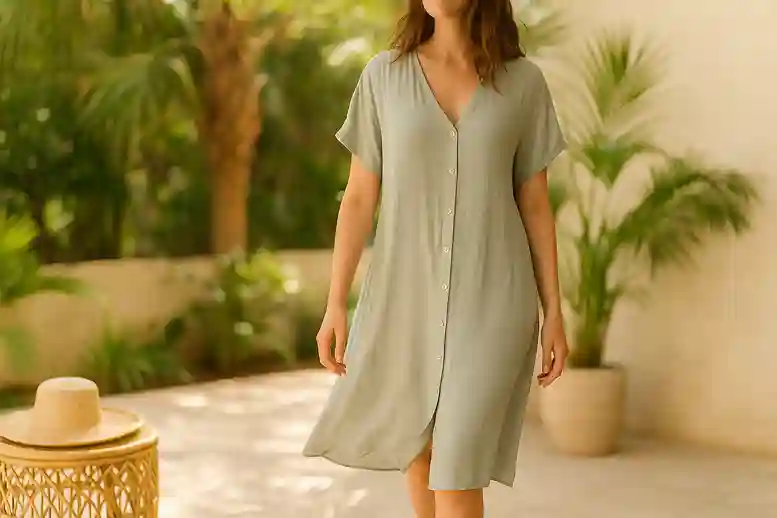
Rayon is a semi-synthetic fabric, yet it stands out as one of the best fabrics for humid weather. Unlike many synthetics that trap heat and moisture, rayon is engineered to be breathable. Its fibers allow steady air circulation, which helps your body release heat more effectively. This breathability keeps clothing feeling lighter and cooler, even when the air is heavy with humidity. Rayon offers the comfort of natural fibers while still maintaining the durability of a manufactured fabric. Because of this balance, it has become a popular option for people looking for relief in sticky, hot climates.
Softness and Airflow
Rayon mimics the qualities of natural fibers, giving it both softness and breathability that feel soothing in humid weather. The fabric sits lightly against the skin, which reduces the clingy, sticky sensation that often comes with less breathable materials. Its airflow helps your body stay cooler, while the gentle texture adds comfort during long, hot days.
This combination makes rayon a popular choice for people who want clothing that feels as comfortable as cotton or linen but with a slightly different drape. In humid conditions, that balance of softness and ventilation makes rayon especially practical.
Perfect for Flowy Clothing
Because rayon drapes beautifully, it is often chosen for flowy dresses, skirts, and blouses that move easily with the body. The lightweight fabric creates a graceful silhouette without feeling heavy, which is especially valuable in humid weather. Its ability to hang softly makes outfits look polished while still feeling relaxed and comfortable.
Additionally, rayon’s versatility allows it to transition from casual outings to semi-formal events with ease. On sticky summer days, clothing made from rayon delivers both style and comfort, helping you stay cool without sacrificing a refined appearance.
Chambray: A Denim Alternative
Lightweight Denim Look
Chambray looks very similar to denim, yet it is much lighter and far more breathable. This makes it one of the best fabrics for humid weather, especially if you enjoy the classic denim look without the heaviness. Its fine weave creates a softer texture and allows air to circulate more easily, which keeps you cooler in sticky conditions. Because chambray balances style with comfort, it works well for people who want a polished appearance but still need a lightweight option. On hot, humid days, it delivers the look of denim while sparing you the discomfort.

Soft and Breathable
Unlike heavy denim, chambray is soft and breathable, making it one of the best fabrics for humid weather. Its finer weave allows air to pass through more freely, which reduces trapped heat and sweat. This steady airflow helps your body stay cooler, even when the air feels thick and sticky. The softness of chambray also adds comfort, preventing the stiffness that often comes with traditional denim. Because it combines breathability with a smooth texture, chambray is ideal for warm climates where both comfort and style matter.
Casual Comfort
Chambray works perfectly for casual humid-day outfits because it blends comfort with a clean, stylish appearance. From button-down shirts to skirts and shorts, this lightweight fabric adapts easily to different looks. Its soft texture keeps you comfortable even when humidity is high, while the polished finish makes it suitable for more than just casual wear.
Chambray transitions smoothly from relaxed daytime outfits to slightly dressier evening styles, offering versatility without added weight. For anyone seeking breathable clothing that looks refined but feels easy to wear, chambray remains a practical and fashionable choice.
Stylish Functionality
In addition to comfort, chambray offers timeless style that never feels out of place. Its simple weave and denim-like look pair easily with cotton, linen, or even rayon, giving you endless outfit possibilities. This versatility makes chambray a functional choice for humid climates, where you need clothing that works in multiple settings.
Whether layered with a light cotton tee or styled as a stand-alone shirt, chambray delivers both ease and refinement. By combining breathability with classic appeal, it becomes more than just a practical fabric—it’s also a stylish staple for humid weather wardrobes.
Best Fabrics for Humid Weather
| Fabric | Breathability | Moisture Handling | Comfort in Humidity | Best Use |
|---|---|---|---|---|
| Cotton | High, natural airflow | Absorbs sweat, dries slowly | Soft but may stay damp | Casual wear, relaxed fits |
| Linen | Very high, open weave | Absorbs and dries quickly | Cool, quick-drying, durable | Shirts, dresses, pants |
| Bamboo | High, breathable fibers | Moisture-wicking, quick drying | Soft, antibacterial, gentle on skin | Activewear, casual, sensitive skin |
| Rayon | Moderate to high, breathable | Absorbs moisture, dries moderately | Light, soft, flowy feel | Flowy summer clothing |
| Chambray | High, fine weave | Absorbs some, dries moderately | Soft, stylish, casual comfort | Casual humid-day outfits |
| Polyester | Low, traps heat | Resists moisture, causes buildup | Sticky and uncomfortable | Avoid in humidity |
| Nylon | Low, traps heat | Resists moisture, causes buildup | Sticky and uncomfortable | Avoid in humidity |
| Wool | Low in humidity, retains warmth | Holds moisture, slow drying | Overheating and itchy | Avoid in humidity |
| Heavy Denim | Low, dense fabric | Holds moisture, slow drying | Hot, heavy, impractical | Avoid in humidity |
Fabrics to Avoid in Humid Weather
Synthetic Traps
Polyester and nylon are common in many wardrobes, but they are not ideal for humid conditions. These synthetic fabrics tend to trap sweat and heat instead of releasing it, which prevents your body from cooling naturally. Without proper airflow, moisture builds up against the skin and creates a sticky, uncomfortable sensation.
This discomfort only grows worse as humidity levels rise, making polyester and nylon especially difficult to wear during hot, damp days. While these fabrics are durable and easy to care for, their lack of breathability makes them poor choices when comfort in humid weather is the priority.
Heavy and Stifling
Fabrics like heavy denim and wool also create discomfort in humid weather because of their dense structure. Their weight restricts airflow, trapping heat close to the body and making it harder to stay cool.
This lack of ventilation can quickly become overwhelming, especially during long, hot days when the air already feels heavy. Wool in particular holds onto warmth, which is helpful in cold climates but stifling in humidity. Similarly, thick denim may look stylish but becomes impractical when sweat and heat build up. In humid conditions, both fabrics feel suffocating, leaving you uncomfortable and overheated.
Smarter Choices Ahead
By avoiding these fabrics, you can sidestep unnecessary discomfort and irritation that often make humid weather feel unbearable. Choosing lighter, breathable materials allows your skin to stay cooler and drier, even when the air is thick with moisture. Instead, focus on moisture-friendly options such as cotton, linen, bamboo, rayon, and chambray. Each of these fabrics is designed to improve airflow and reduce the sticky feeling that comes with heat and humidity. By building your wardrobe around these smarter choices, you can stay comfortable, confident, and stylish throughout the hottest, most humid days.
Fabrics to Avoid in Humid Weather
| Fabric | Why to Avoid | Comfort in Humidity |
|---|---|---|
| Polyester | Traps heat and sweat, poor airflow | Sticky and uncomfortable |
| Nylon | Retains moisture, limits ventilation | Hot, sticky, irritating |
| Wool | Holds warmth, slow to dry | Overheating and itchy |
| Heavy Denim | Dense and heavy, restricts airflow | Hot, heavy, impractical |
“Fashion should feel as good as it looks—comfort is the true luxury in any season.”
FAQs: Best Fabrics for Humid Weather
Conclusion: Best Fabrics for Humid Weather
Choosing the right fabrics makes all the difference when dealing with sticky, humid weather. Heavy or synthetic materials trap heat and sweat, leaving you uncomfortable and drained. By contrast, breathable options such as cotton, linen, bamboo, rayon, and chambray allow your skin to stay cooler and drier. These fabrics not only improve airflow but also help reduce irritation, odors, and the clingy feeling that humidity often brings.
Each fabric offers its own benefit—cotton for everyday comfort, linen for quick-drying breathability, bamboo for sensitive skin, rayon for flowy style, and chambray for a lighter denim look. By focusing on these smarter choices, you can build a wardrobe that is practical, stylish, and tailored for humid climates.
Ultimately, the best fabrics for humid weather are the ones that balance comfort and function. Which fabric keeps you the coolest when summer heat feels overwhelming?
Which breathable fabric do you rely on most during sticky summer days?
Share your favorite picks or tips in the comments below—we’d love to hear how you stay cool and comfortable when the humidity rises.

Silvia Heart is a lifestyle and wellness writer with a background in apparel and a degree in fashion. She blends creativity with practical insights, guiding readers toward intentional, balanced living. Through her approachable style and thoughtful storytelling, Silvia inspires her community to embrace both everyday joy and personal growth.