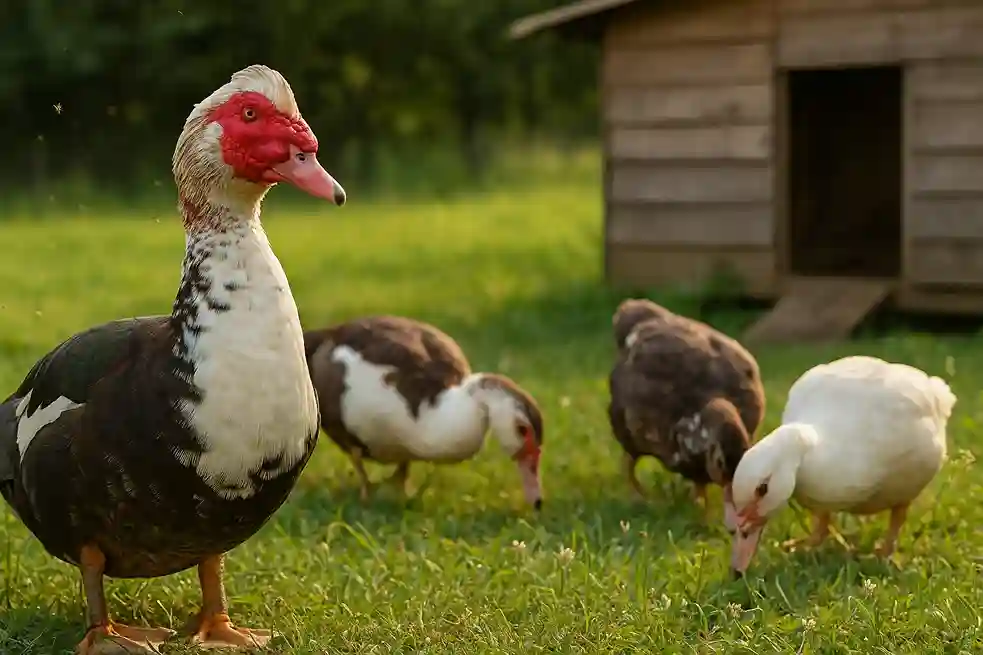
The muscovy duck is becoming a favorite among U.S. homesteaders. It’s calm, hardy, and easy to care for. Because of this, many families now keep them in small flocks. Unlike most ducks, muscovies stay quiet and rarely quack. Their red face patches make them easy to recognize. They adapt well to different climates. In addition, they find much of their own food by eating bugs, weeds, and scraps. As a result, farmers spend less on feed and pest control. Muscovies also live peacefully with chickens and other birds.
Furthermore, they need only a small tub of water to stay clean. For that reason, they fit easily into small yards or suburban homes. Their lean, flavorful meat adds another benefit for self-sufficient families.
Overall, the muscovy duck brings simplicity and balance to homestead life. It’s a quiet, useful, and rewarding bird to raise.
“The muscovy duck proves that quiet strength and simple habits can create the most sustainable homestead companions.”
What Makes the Muscovy Duck Unique
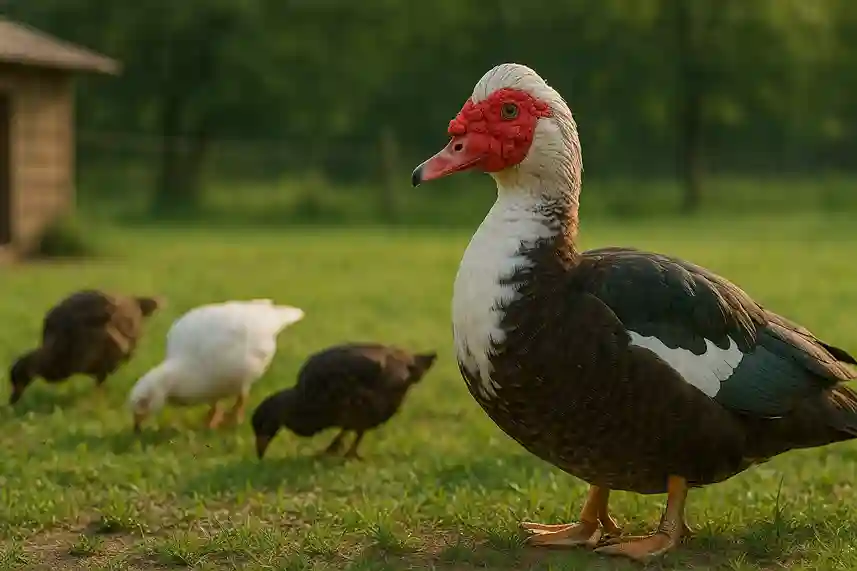
The muscovy duck stands apart from every other duck breed. Its look, behavior, and habits make it one of a kind. You can spot it easily by the red caruncles around its face. These bumpy patches give the muscovy its bold and distinctive appearance.
Unlike most ducks, the muscovy is quiet. It doesn’t quack or make loud calls. Instead, it hisses softly or makes low cooing sounds. Because of this, many homesteaders prefer it for peaceful neighborhoods or small farms. Its calm nature also helps it fit well in mixed flocks with chickens or geese.
This duck is strong and loves to fly. In fact, it can perch on fences and tree branches with ease. Some farmers trim their wings to keep them close, while others let them roam freely. Their alertness and flying ability also help them escape ground predators.
Furthermore, muscovies have excellent foraging skills. They eat insects, slugs, weeds, and leftover grains. As a result, they reduce feed costs and support natural pest control on the homestead. Their quiet behavior and hardworking nature make them practical for small-scale, sustainable farms. Overall, the muscovy duck combines beauty, strength, and usefulness. It’s a bird that balances grace with hardiness, making it a reliable choice for farmers who value both calm and productivity.
Economic Advantages for Farmers
Raising the muscovy duck offers clear economic rewards for homesteaders and small farmers. This hardy breed helps lower daily costs while producing high-value meat. Because it thrives on natural resources and needs little intervention, the muscovy brings both savings and profit opportunities to any sustainable farm.
Lower Feed and Maintenance Costs
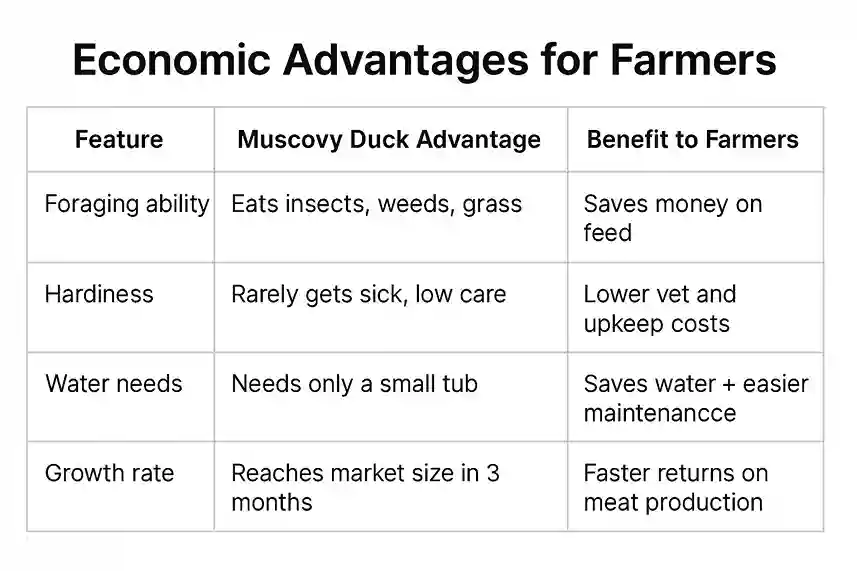
The muscovy duck finds much of its own food. It eats insects, weeds, grass, and small worms. As a result, it needs less store-bought feed. Many farmers notice big savings, especially during summer when foraging is easy. This duck is tough and needs little care. Because of that, farmers spend less on housing, bedding, and medical treatment. It rarely gets sick, which helps lower vet costs. In addition, muscovies need less water than other ducks. They enjoy a small tub or kiddie pool but don’t require a pond. Therefore, they save both water and upkeep time on the homestead.
Fast Growth and High Meat Yield
Muscovy ducks grow fast and mature early. They reach market size in about three months. Thanks to this, farmers get quicker returns with less feed. Their meat yield is high, especially in the breast area.
The meat is lean, flavorful, and rich in protein. In fact, many people describe it as similar to beef but lighter. This quality makes it a popular choice for those seeking healthy, local meat.
Strong Market Value of Muscovy Duck Meat
Muscovy duck meat sells well in local and gourmet markets. Its clean taste and firm texture attract repeat buyers. As a result, small farmers often earn steady profits from small flocks.
Demand for lean, sustainable meat continues to grow. Consequently, muscovy duck farming offers long-term income potential without major expansion. With low feed costs, strong demand, and quick growth, the muscovy duck proves to be one of the most profitable birds for homesteaders today.
Health and Nutrition Benefits of Muscovy Duck Meat
The muscovy duck offers both health and flavor advantages that make it stand out from other poultry breeds. Its lean, nutrient-rich meat appeals to families who want healthy meals and farmers who want quality products. Because it combines great taste with nutrition, it fits well into modern, balanced diets.
Lean, Protein-Rich Meat
Muscovy duck meat is naturally lean. It has far less fat than most other duck breeds. As a result, people enjoy the rich taste without feeling weighed down by grease. A single serving provides a high amount of protein, which supports muscle repair and energy production.
This breed’s meat is also dense and satisfying. In fact, it’s often compared to beef for its texture and depth of flavor. Unlike traditional duck, it doesn’t leave an oily aftertaste. For health-conscious eaters, this makes muscovy duck a perfect substitute for red meat. In addition, it delivers essential nutrients like iron, zinc, and B vitamins that strengthen immunity and improve metabolism.
USDA Food Safety and Inspection Service (FSIS) — Duck and Goose from Farm to Table page. This offers guidance on safe handling and cooking of duck meat.

Low Fat and Heart-Friendly Nutrition
The muscovy duck has very little fat compared to other breeds. Its meat is lean and light. Because of this, it’s often called a heart-healthy choice. Most of its fat is unsaturated, which supports healthy cholesterol levels. People who follow low-fat or high-protein diets can enjoy it without worry.
In addition, muscovy meat has fewer calories in each ounce. It still offers the rich taste of dark meat but without the heaviness. The flavor stays full, yet the texture feels cleaner and lighter. As a result, it’s perfect for those who want satisfying meals with less fat.
Many dietitians recommend muscovy duck as an alternative to red meat. It delivers dense protein and great taste without the extra calories. Overall, it’s a smart, flavorful, and heart-friendly option for health-conscious eaters.
Among Health-Conscious and Gourmet Consumers
The muscovy duck isn’t just nutritious—it’s delicious. Chefs and home cooks appreciate its mild, almost beef-like flavor. As a result, it appears often in gourmet dishes, especially in farm-to-table restaurants. Its versatility allows it to pair well with herbs, fruits, and bold sauces.
In addition, consumers value its clean, natural quality when raised on pasture. Free-range muscovies develop superior texture and taste. Consequently, farmers who sell locally often find strong demand among customers seeking lean, ethically raised meat.
The muscovy duck provides health, flavor, and sustainability in one bird. It’s easy to raise, simple to cook, and rewarding to eat. For homesteaders aiming for wholesome living, muscovy meat delivers all-around value—nutritious, light, and naturally raised.
Nutrition Comparison: Muscovy vs. Pekin
| Nutrient (per 100g cooked meat) | Muscovy Duck | Pekin Duck | Other Domestic Ducks |
|---|---|---|---|
| Calories | 190 kcal | 337 kcal | 315 kcal |
| Protein | 28 g | 27 g | 25 g |
| Total Fat | 8 g | 28 g | 25 g |
| Saturated Fat | 2.3 g | 9.7 g | 8.5 g |
| Cholesterol | 75 mg | 84 mg | 80 mg |
| Iron | 2.5 mg | 2.4 mg | 2.2 mg |
| Zinc | 3.0 mg | 2.8 mg | 2.7 mg |
| B Vitamins (B6, B12, Niacin) | High | Moderate | Moderate |
| Flavor Profile | Lean, mild, beef-like | Rich, fatty, gamey | Fatty, strong duck flavor |
| Ideal For | Health-conscious eaters, small farms | Commercial meat farms | General poultry use |
Easy Care and Low Maintenance Needs
The muscovy duck plays a powerful role in creating a balanced and sustainable homestead. It helps control pests, reduce waste, and support natural cycles. Because of this, it’s a favorite among eco-minded farmers and regenerative growers. This breed isn’t just productive—it actively improves the land it lives on.
Hardy, Adaptable, and Disease-Resistant
The muscovy duck thrives in a wide range of climates across the U.S. It tolerates both heat and cold, adjusting easily to changing weather. As a result, it fits well on farms from Florida to Montana. Its strong immune system helps it resist many common duck diseases, reducing the need for costly treatments.
In addition, muscovies handle outdoor life well. They prefer open spaces and natural foraging, yet they also remain comfortable in smaller coops or fenced yards. Their thick feathers offer excellent protection from cold winds and mild frost. Because of this, they can stay outdoors longer than many other poultry breeds.
Farmers also appreciate their calm and gentle behavior. Unlike most ducks, muscovies rarely fight or panic, even around larger birds. This quiet temperament keeps the flock peaceful and reduces injuries or stress.
Requires Minimal Water and Simple Housing
The muscovy duck enjoys water but doesn’t depend on large ponds. A small tub, basin, or kiddie pool is enough for bathing and preening. Therefore, they’re ideal for suburban or land-limited homesteads. Less water means less mud, easier cleaning, and a tidier farmyard.
Their shelter needs are simple too. A dry coop with straw bedding and nesting boxes works perfectly. Furthermore, muscovies like to perch, so a low roost helps them feel safe. They stay clean, healthy, and content with minimal effort. Overall, the muscovy duck is hardy, gentle, and easy to maintain. It offers the perfect balance between low effort and high reward for any homestead.
Sustainability and Environmental Benefits
The muscovy duck helps keep a homestead healthy and balanced. It supports the environment instead of straining it. Because of this, it’s perfect for eco-friendly and regenerative farms. These ducks control pests, reduce waste, and live naturally within the farm system.
Natural Pest Control
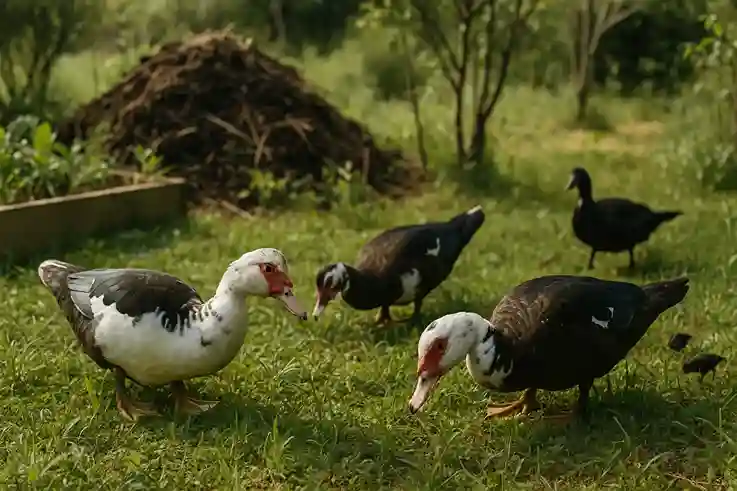
Muscovy ducks are great natural pest hunters. They eat flies, mosquitoes, slugs, and snails that harm gardens. As a result, they keep insect numbers low without any chemicals. Their constant foraging helps protect crops and livestock areas. In addition, they eat weeds and leftover grains in the yard. This habit keeps soil clean and prevents overgrowth. Their daily search for food creates balance in the farm ecosystem. Because of that, many homesteaders call them “living pest managers.”
Reduces Reliance on Pesticides and Feed Inputs
Muscovies replace chemical pest control with natural behavior. Therefore, farmers need fewer pesticides and harmful sprays. Less chemical use keeps soil, plants, and water healthier. It also protects pollinators and other helpful insects. These ducks also save money on feed. They eat what they find—bugs, seeds, and plants. As a result, store-bought feed use drops. Their natural diet makes the farm more self-sufficient and sustainable.
Ideal for Sustainable and Regenerative Homesteads
The muscovy duck fits easily into regenerative systems. Its droppings fertilize the soil and return nutrients to the land. Furthermore, it cleans up food waste and garden scraps that might otherwise rot. These ducks live peacefully alongside gardens, orchards, and chickens. They move freely, eat pests, and enrich the ground. Consequently, they help farmers build a simple, low-waste, circular system.
In the end, the muscovy duck gives back more than it takes. It’s calm, efficient, and eco-friendly—a true partner for any sustainable homestead.
Breeding Advantages Of Muscovy Duck
The muscovy duck is well known for its strong breeding abilities. It’s easy to breed, reliable, and productive. Because of this, it’s a smart choice for homesteaders who want steady flock growth.
Excellent Maternal Instincts
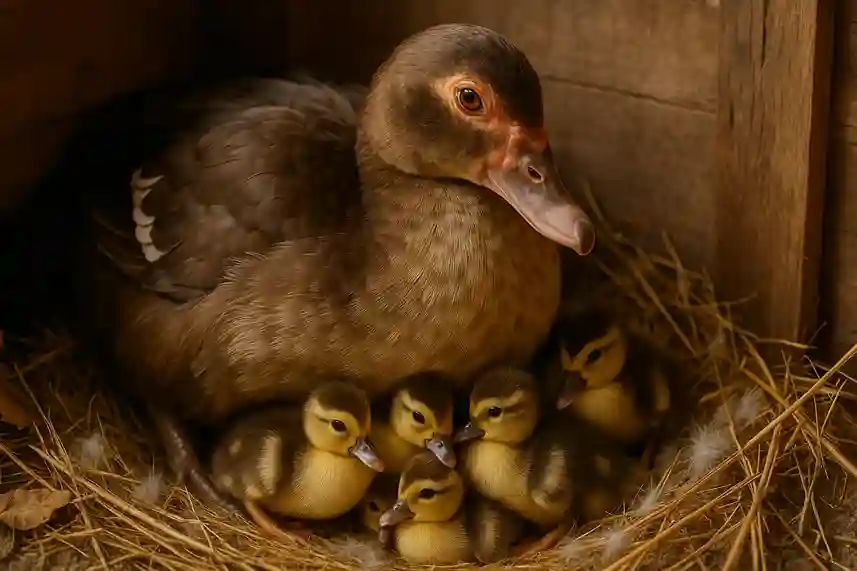
Muscovy hens make caring, attentive mothers. They build nests, protect eggs, and sit patiently through the hatching period. In fact, they rarely abandon their nests once they begin brooding. Their instinct to guard and guide ducklings is one of the strongest among domestic ducks.
As a result, farmers need little equipment to help with hatching. Hens manage everything on their own. They keep the eggs warm, turn them often, and watch closely for signs of life. Because of that, the hatching process stays natural, calm, and stress-free for both hen and farmer.
Muscovy mothers also care for ducklings after hatching. In addition, they teach young birds to forage early. This independence improves the flock’s survival rate.
High Hatch Rates and Natural Incubation
Muscovy ducks usually have excellent hatch success. A single hen can hatch between 12 and 18 eggs per clutch. Because of this, they’re a dependable source of new birds for small farms.
Their incubation period is slightly longer than most ducks—about 35 days. However, the result is strong, healthy ducklings that grow quickly and adapt well. Farmers often notice fewer weaklings or losses compared to other breeds.
Furthermore, muscovies don’t need artificial incubators or heaters. Their natural warmth and steady behavior ensure healthy hatching without electricity. This makes them both cost-effective and sustainable for homesteads that value self-reliance. Overall, the muscovy duck is a natural breeder with gentle instincts and reliable results. It saves time, lowers effort, and builds flock numbers naturally—one successful hatch at a time.
Muscovy Ducks in Mixed Flocks
The muscovy duck fits well into mixed flocks on small farms. It’s calm, gentle, and rarely causes trouble. Because of this, many homesteaders raise muscovies alongside chickens, geese, or turkeys without issues.
Peaceful Coexistence with Other Birds
Muscovies have a quiet and steady nature. They don’t fight for space or dominate other birds. Unlike many breeds, they keep to themselves and move calmly around shared areas. This helps maintain peace within the flock. In addition, their silent behavior reduces noise in the yard. Farmers appreciate this when keeping multiple bird species together. As a result, the coop stays calmer, and stress levels drop for all animals.
Muscovies are also tolerant of different feeding times and routines. Therefore, they blend smoothly into existing flock schedules. Their easygoing nature makes them a dependable choice for shared living spaces.
Helps Maintain Clean Coops and Reduces Feed Waste
Muscovies are great at cleaning up leftover food. They pick up spilled grain and scraps that other birds ignore. As a result, less feed goes to waste, and the area stays tidier. Furthermore, their foraging habits help control insects and flies that gather near coops. They eat bugs that thrive on leftover feed or manure. Because of that, the overall environment stays cleaner and more comfortable for every bird.
Their calm movement also prevents panic and mess inside shared housing. In the end, the muscovy duck keeps the flock balanced, peaceful, and clean—making it an ideal addition to any mixed homestead setup.
Potential Challenges to Consider
The muscovy duck is hardy and easy to raise, but it still has a few challenges. Because of this, new homesteaders should plan ahead to manage them well.
Seasonal Egg-Laying Cycle
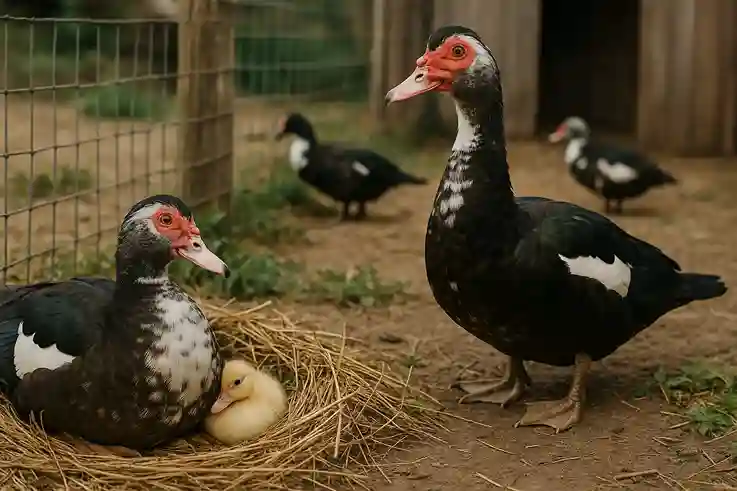
Muscovy ducks don’t lay eggs all year. Their laying season usually runs from spring through late summer. As a result, egg supply can drop during fall and winter months.
In addition, hens may take breaks between clutches. They often focus on nesting and hatching rather than constant egg production. Therefore, farmers who want steady egg yields may need another laying breed for balance.
Despite the slower cycle, muscovy eggs are large and rich in flavor. Many homesteaders value quality over quantity, so this rhythm suits smaller farms.
Need for Flight Control and Predator Protection
Muscovies are strong fliers. They can easily perch on fences or rooftops. Because of that, wing clipping or netted enclosures may be necessary. This helps prevent escapes and keeps them near home.
Furthermore, muscovies are quiet, so they don’t alert farmers to danger. Their calm nature can make them easy targets for predators. Providing a safe coop and fenced yard is essential. In addition, locking them in at night helps protect against foxes, raccoons, or stray dogs.
Overall, these challenges are small but important. With simple planning and care, the muscovy duck stays safe, productive, and happy on any homestead.
(FAQ) On Muscovy Duck Advantages
Conclusion: Why Farmers Keep Choosing the Muscovy Duck
The muscovy duck is a quiet, dependable bird that fits any homestead. It’s hardy, calm, and easy to raise. Because of this, it’s a favorite among new and experienced farmers. Muscovies need little care yet offer many rewards. They control pests, save feed, and provide lean, tasty meat. In addition, they live peacefully with chickens and other birds. Their gentle behavior keeps the farm calm and balanced. These ducks thrive in almost any climate. Therefore, they work well for homesteads in both warm and cool regions. Their strong immune system reduces sickness, saving time and money.
Overall, the muscovy duck is simple, smart, and sustainable. It helps families grow food naturally while keeping chores light. For anyone seeking a productive and peaceful farm, this bird is a perfect match.
Have you tried raising muscovy ducks?
Share your thoughts and tips in the comments! Your story might inspire another homesteader to start their own flock.

Michael Reyes is a versatile blogger with a primary focus on farming and sustainable living. Growing up close to nature, he developed a deep interest in agriculture and enjoys sharing practical tips on backyard farming, modern cultivation techniques, and eco-friendly practices. While farming remains his specialty, Michael also writes on a wide range of topics, from lifestyle and travel to everyday inspiration, making his work relatable to a broad audience.
Outside of writing, Michael enjoys spending time outdoors, experimenting with new farming methods, and exploring different cultures through food and travel. His approachable voice and well-researched insights make his blogs both informative and engaging.