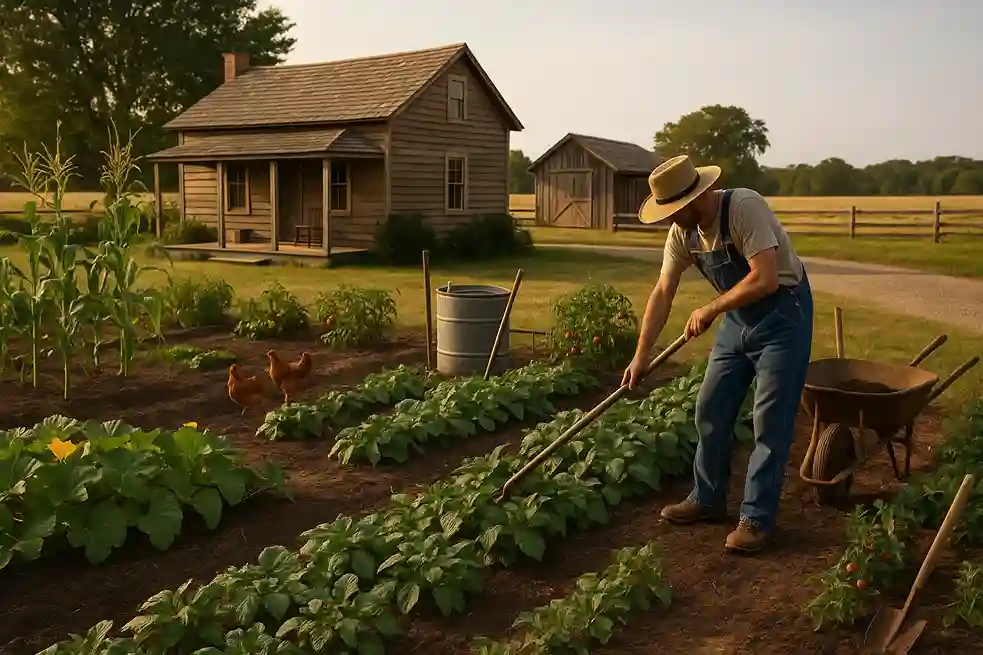
Subsistence farming is a traditional form of agriculture where farmers grow crops and raise livestock mainly to feed their own families. Unlike large-scale commercial farming, which focuses on producing food for sale and profit, subsistence farming centers on survival and self-reliance. The harvest usually provides just enough to meet daily needs, with little or no surplus for trade. Farmers often use simple tools, natural fertilizers, and family labor to sustain their land and livelihood.
In today’s world, where sustainable food production and environmental care are gaining attention, subsistence farming is becoming more relevant. It promotes local resilience, reduces dependence on global markets, and encourages responsible land use. Many new farmers view it as a practical way to reconnect with the soil while supporting food security. As climate challenges grow, this age-old practice continues to inspire modern approaches to sustainable living and farming.
“Subsistence farming isn’t just about growing food — it’s about growing independence, resilience, and a deeper connection to the land.”
The History and Evolution of Subsistence Farming
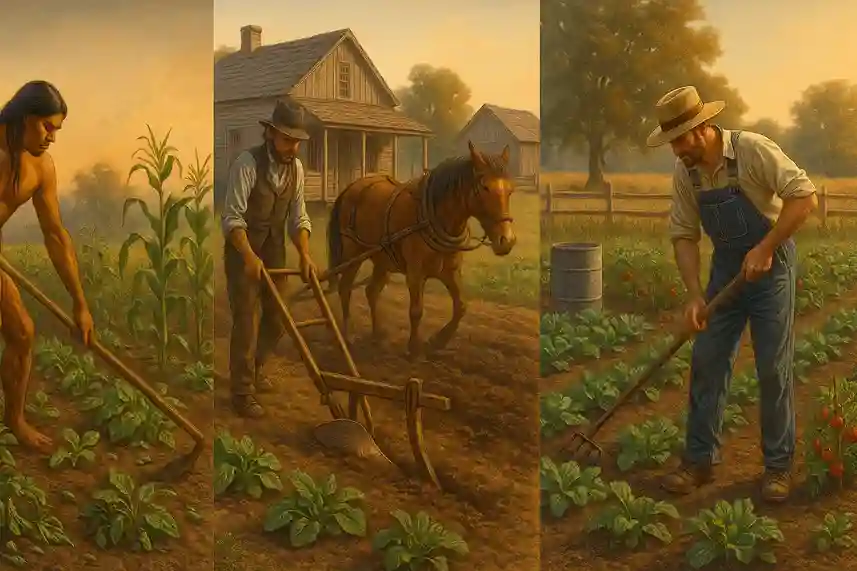
Subsistence farming has ancient roots that trace back to the earliest human settlements. Long before modern agriculture and trade systems developed, people depended on small plots of land to grow food for their families. Early societies practiced subsistence farming using simple tools, seeds saved from past harvests, and natural resources like rainfall and compost. It was a way of life built on community cooperation, shared labor, and deep respect for the environment.
As civilizations expanded, subsistence farming evolved into more structured systems. In many regions of Asia, Africa, and Latin America, it supported village economies and ensured food security during times of scarcity. For centuries, it remained the foundation of survival, providing steady nutrition even when trade routes were limited or unstable.
In developing economies, subsistence farming still plays a crucial role. It provides livelihoods for millions of rural families, preserving traditional farming wisdom passed down through generations. Today, this practice is adapting to modern sustainability standards. Farmers integrate eco-friendly methods like organic composting, crop rotation, and renewable energy sources to protect the soil and reduce waste.
Modern technology, though minimal, also enhances efficiency without undermining the self-sufficient nature of farming. By combining old wisdom with new tools, subsistence farmers are redefining what sustainable living means. This balance between tradition and innovation ensures that the values of resilience, community, and respect for nature remain at the heart of agriculture in a changing world.
Key Characteristics of Subsistence Farming
Subsistence farming is defined by simplicity, sustainability, and a strong focus on family needs rather than commercial gain. It reflects a lifestyle rooted in self-reliance and respect for natural balance. Understanding its main characteristics helps new farmers see how this approach differs from modern industrial agriculture.
Small Land Areas and Limited Technology
Most subsistence farming takes place on small plots of land, often less than a few acres. Farmers grow a mix of crops that can meet household needs rather than focusing on large-scale production. The limited land size encourages efficient use of space through intercropping and mixed planting. Tools are usually simple — hand plows, hoes, and traditional irrigation systems — rather than expensive machinery. This low-tech approach reduces costs and makes farming accessible to those with fewer resources. However, it also demands more manual effort and time, creating a closer bond between farmers and their fields.
Family Labor and Self-Sufficiency Goals
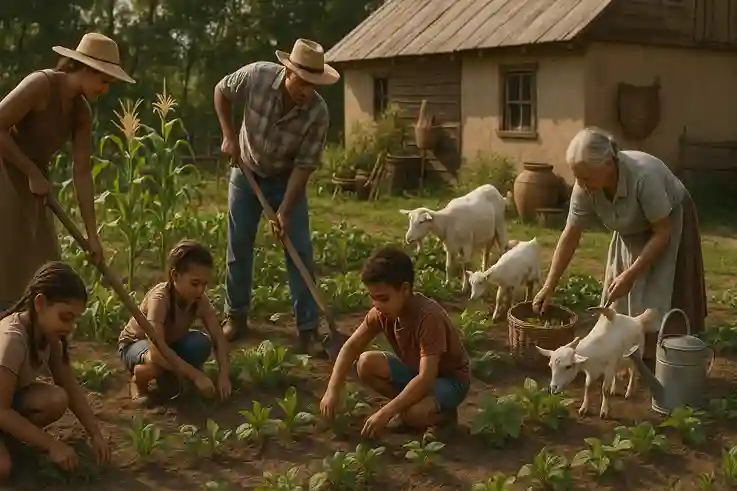
Family members form the core workforce in subsistence farming. Each person, from children to elders, contributes to planting, weeding, harvesting, and livestock care. This system fosters teamwork, responsibility, and shared purpose. The main goal isn’t profit but self-sufficiency — producing enough food to sustain the household throughout the year. In good seasons, families may store surplus grains or preserve produce for future use. This way of life builds resilience, as families depend on their own skills and effort rather than fluctuating markets or external aid.
Minimal Use of External Inputs
Unlike commercial farms that rely heavily on chemical fertilizers and pesticides, subsistence farms depend on natural resources. Farmers use compost, animal manure, and crop residues to nourish the soil. Seeds are often saved from previous harvests rather than purchased. This natural recycling helps maintain soil fertility and supports long-term sustainability. While yields may be smaller, the ecological footprint remains minimal.
Localized Food Consumption Rather Than Trade
The produce from subsistence farms rarely enters large markets. Instead, it feeds the farming family and nearby community. Exchange, if it happens, occurs through bartering rather than commercial sale. This localized cycle reduces food transportation costs and preserves freshness. It also strengthens community ties, as neighbors often share harvests or trade small quantities of goods.
In essence, subsistence farming represents harmony between people and nature — a model of living sustainably, producing responsibly, and valuing every seed sown.
Common Types of Subsistence Farming
Subsistence farming exists in various forms across different climates and cultures. Each type reflects how farmers adapt to their environment to meet basic needs. The main types include shifting cultivation, pastoral farming, intensive subsistence farming, and nomadic herding.
Shifting Cultivation (Slash-and-Burn Methods)
Shifting cultivation is one of the oldest forms of subsistence farming. Farmers clear a small area of forest by cutting and burning vegetation. The ash enriches the soil, making it fertile for a few growing seasons. Once the soil loses nutrients, the farmers move to a new area and repeat the process. This cycle allows the land to recover naturally over time.
Example
In parts of Southeast Asia and Central Africa, farmers grow cassava, yams, and maize using shifting cultivation to sustain their families year-round.

Pastoral Farming (Livestock-Based)
Pastoral farming centers on raising animals for food, milk, or clothing rather than growing crops. Farmers depend on livestock such as cattle, goats, sheep, or camels for daily survival. The animals provide meat, milk, hides, and even fuel through dried dung. This type of farming is common in areas with limited rainfall or poor soil unsuitable for crops.
Example
In rural regions of Kenya, families rely on herds of cattle and goats as their main source of food and income stability.
Intensive Subsistence Farming (Rice, Grains, etc.)
Intensive subsistence farming uses small plots of land but involves high labor and productivity. Farmers grow staple crops like rice, wheat, or maize, often supported by irrigation and careful crop rotation. Every inch of land is used efficiently to ensure a steady food supply.
Example
In India and China, rice paddies are cultivated intensively, supporting large populations through small-scale yet productive farming systems.
Nomadic Herding (Seasonal Grazing)
Nomadic herding involves moving livestock seasonally in search of fresh pastures and water. Farmers travel long distances, following traditional routes to ensure their animals have enough food. This method suits regions with extreme climates where fixed farming is difficult.
Example
In Mongolia, nomadic herders move their flocks of sheep and yaks across open grasslands, adapting to harsh winters and dry summers.
Each type of subsistence farming represents a unique balance between human needs and natural conditions, showing how tradition and adaptability keep small-scale farming alive.
Major Crops and Livestock in Subsistence Farming
Subsistence farming focuses on growing essential crops and raising hardy livestock that can thrive with minimal resources. The choice of what to plant or raise depends largely on climate, soil type, and local traditions. Each region adapts its farming methods to meet family needs and ensure year-round food security.
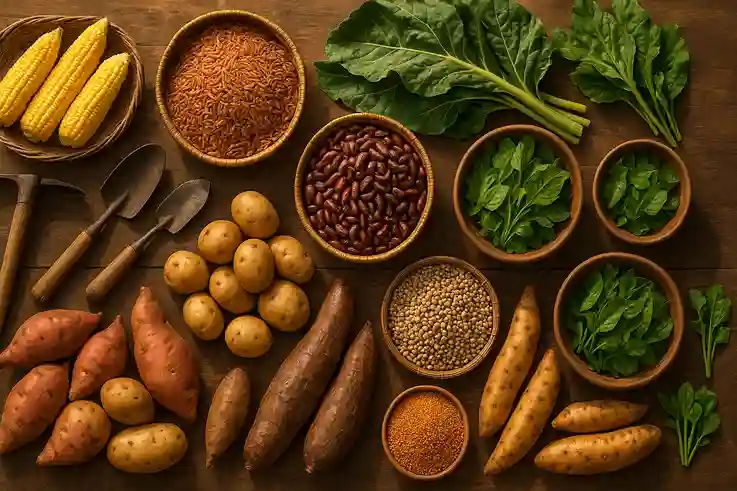
Common Crops Grown in Subsistence Farming
Crops in subsistence farming are chosen for their nutritional value, adaptability, and reliability. Farmers usually grow a mix of staple foods to provide balanced diets and reduce risk if one crop fails.
Millet and Sorghum: Drought-tolerant crops ideal for arid areas with poor rainfall.
Rice: Common in tropical and subtropical regions with abundant rainfall. It serves as a primary food source in Asia and parts of Africa.
Maize (Corn): Grows well in moderate climates and is widely used for porridge, bread, and livestock feed.
Beans and Legumes: Provide protein and enrich the soil with nitrogen, improving fertility for future planting.
Potatoes and Root Crops: Thrive in cooler, higher altitudes and offer vital carbohydrates.
Common Livestock in Subsistence Farming
Animals are integral to subsistence farming, offering food, manure, labor, and sometimes income through small trade.
- Cattle: Provide milk, meat, and plowing power.
- Goats: Thrive in dry conditions and supply milk and meat.
- Poultry (Chickens, Ducks): Offer eggs and meat while requiring little space.
- Sheep: Used for wool and meat in temperate climates.
- Pigs: Efficient at converting scraps into protein-rich meat.
Each animal type fits a specific ecological niche, allowing families to maximize available resources. Livestock manure also supports composting, enhancing soil fertility for future crops.
Climate and soil conditions play a vital role in shaping what farmers choose to grow or raise. Warm, humid regions favor rice and poultry, while dry zones support millet and goats. By aligning with natural conditions, subsistence farming remains efficient, sustainable, and resilient even in changing environments.
Benefits of Subsistence Farming
Subsistence farming offers more than just food — it provides stability, community, and sustainability for those who practice it. In a world facing increasing uncertainty in food systems, this traditional method remains a reliable path toward self-sufficiency and ecological balance.
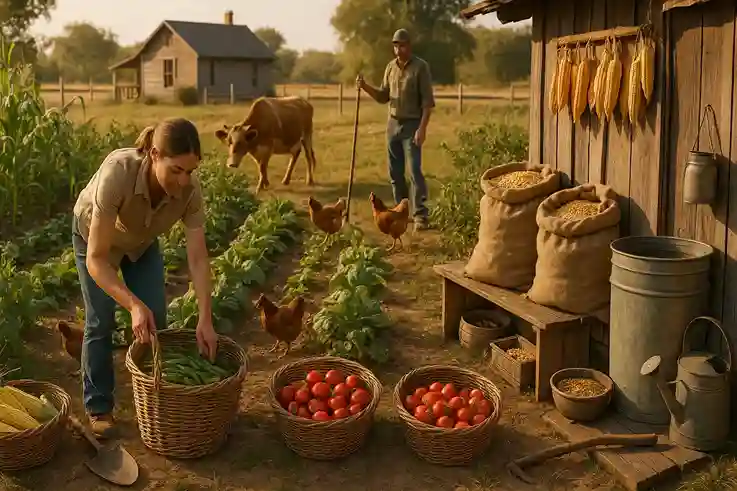
Promotes Food Security and Self-Reliance
One of the main benefits of subsistence farming is its focus on direct food production for household use. Families grow enough to feed themselves year-round, reducing the risk of hunger even during economic hardship or supply shortages. This self-reliant model ensures steady access to fresh, nutritious food without depending on fluctuating market prices. For new farmers, it represents independence — the ability to survive and thrive using their own land and labor.
Reduces Dependency on Markets
Subsistence farmers produce primarily for their own consumption, not for sale. As a result, they remain less vulnerable to market changes, inflation, or trade disruptions. This independence from commercial systems protects rural families from financial instability. When markets collapse or prices rise sharply, subsistence farming households can still rely on their stored grains, homegrown vegetables, and livestock products. It fosters resilience and peace of mind in uncertain times.
Encourages Traditional Knowledge and Community Bonding
Subsistence farming keeps cultural traditions alive. Many techniques — like seed saving, crop rotation, and herbal pest control — are passed down through generations. These methods not only protect the soil but also preserve community identity. Neighbors often exchange seeds, share tools, and help one another during planting or harvest seasons. This cooperation strengthens rural relationships, creating a sense of unity and shared purpose.
Environmentally Sustainable When Managed Well
Because it relies on natural resources and avoids chemical overuse, subsistence farming supports environmental health. Farmers use compost, crop diversity, and organic waste to maintain soil fertility. They often practice intercropping, which reduces erosion and pest problems naturally. This approach keeps ecosystems balanced and promotes biodiversity.
In essence, subsistence farming blends practicality with sustainability. It empowers individuals to feed themselves, care for their land, and uphold traditions that respect nature — creating a foundation for both personal and community resilience.
Challenges Faced by Subsistence Farmers
While subsistence farming provides stability and independence, it also comes with real challenges. Many farmers face economic, environmental, and social barriers that make long-term success difficult. Understanding these issues helps new farmers prepare realistic strategies for sustainability.
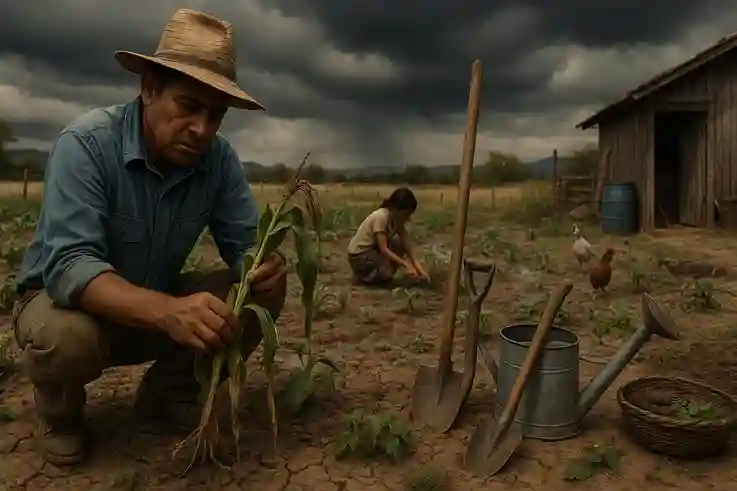
Limited Access to Modern Tools and Education
A major challenge in subsistence farming is the lack of access to modern tools, technology, and training. Many small farmers still rely on manual labor and basic equipment, which limits productivity. Without knowledge of improved techniques such as soil testing, pest management, or irrigation planning, yields remain low. In many rural areas, access to agricultural education or workshops is limited, especially for younger farmers. Globally, this lack of modernization slows progress, while in the U.S., small-scale farmers may struggle to afford new machinery or sustainable equipment due to high costs.
Vulnerability to Weather and Crop Diseases
Weather remains one of the most unpredictable threats to subsistence farming. Droughts, floods, or extended cold seasons can destroy entire harvests. Farmers who depend on rainfall are particularly at risk. Additionally, pests and crop diseases can spread quickly when farmers lack resources for prevention. In tropical regions, climate change has intensified these problems, while even U.S. farmers face unpredictable patterns like sudden frosts or heat waves that disrupt planting cycles. Because these farmers produce mainly for self-consumption, any loss directly affects their food security.
Poor Infrastructure and Market Access
Many subsistence farmers live in remote areas with limited roads, storage facilities, or transportation. This isolation makes it hard to reach local markets or access agricultural supplies. Poor infrastructure also means higher costs for essentials like seeds, water systems, or fertilizers. Even in parts of rural America, small farmers face distribution challenges, with limited opportunities to sell surplus or connect to buyers. Globally, these issues are even more severe, especially in developing nations where infrastructure investment remains low.
Despite these obstacles, subsistence farmers continue to adapt through cooperation, traditional wisdom, and innovative community projects. Whether in remote villages or small U.S. homesteads, subsistence farming endures as a vital form of sustainable living — though one that clearly needs stronger support systems to thrive in a modern world.
Steps to Start Subsistence Farming as a Beginner
Starting subsistence farming is a rewarding journey toward independence, sustainability, and food security. It doesn’t require vast land or expensive machinery — only patience, planning, and a genuine connection to the soil. The following steps will help beginners build a strong foundation for success while maintaining sustainable farming habits.
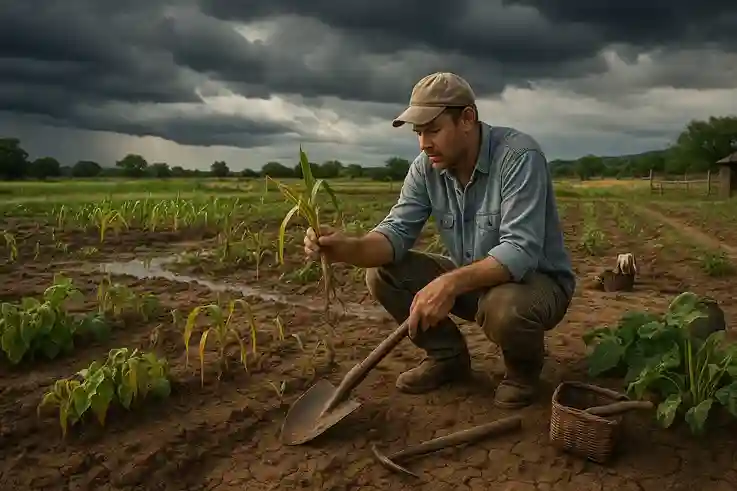
Assess Land, Climate, and Resources
Before planting a single seed, take time to understand your land and surroundings. Analyze the soil type, rainfall patterns, and sunlight exposure. Observe how water flows through your property during different seasons. These insights will help you choose the right crops and design efficient planting layouts. In regions with limited rainfall, for example, drought-tolerant crops like millet or beans are ideal. In contrast, areas with rich, moist soil may support rice or root vegetables. Evaluating your available resources — such as tools, compost material, and family labor — ensures your plans stay realistic and manageable.
Choose Crops Suited for Personal Consumption
Since subsistence farming focuses on family needs, grow what you eat most. Start small with staple foods like maize, beans, or potatoes. Include nutrient-rich vegetables and fruits to create a balanced diet. Choosing diverse crops reduces risks from pests and climate changes. It’s also wise to grow perennial plants that yield for multiple years, like banana or cassava, ensuring steady food supply even during tough seasons.
Plan Crop Rotation and Basic Irrigation
Next, create a crop rotation plan to protect soil fertility. Rotate crops with different nutrient needs — for instance, follow nitrogen-consuming plants like maize with nitrogen-fixing legumes like beans. This natural balance keeps your soil healthy without chemical fertilizers. Where possible, build simple irrigation systems such as rainwater collection barrels or drip setups made from recycled materials. With proper planning, your farm can stay productive throughout the year.
Learn Soil Conservation and Composting
Healthy soil is the heart of subsistence farming. Learn methods like mulching, cover cropping, and terracing to prevent erosion and retain nutrients. Composting is another key practice — turn kitchen waste, dry leaves, and animal manure into rich organic fertilizer. Not only does this reduce waste, but it also improves crop yield naturally.
Starting small, staying consistent, and observing how nature responds are crucial for long-term success. Step by step, these practices transform a simple plot of land into a thriving, self-sufficient farm that sustains both family and environment.
Modern Approaches to Improve Subsistence Farming
Subsistence farming has deep traditional roots, yet modern methods can make it more productive, efficient, and sustainable without losing its self-reliant nature. By adopting small but smart innovations, farmers can increase yields, conserve resources, and secure their livelihoods. These approaches blend time-tested wisdom with modern practicality.
Use of Low-Cost Technology and Organic Fertilizers
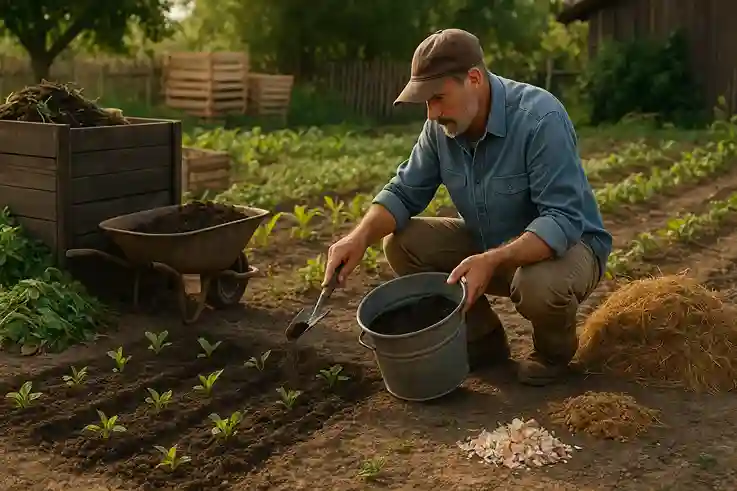
Today, subsistence farming can benefit from affordable technologies that simplify work and save time. Hand-operated planters, solar dryers, and small irrigation pumps help farmers grow and preserve food efficiently. Mobile apps for weather forecasts or pest alerts are now available even in remote regions, guiding farmers through planting and harvesting cycles. Additionally, organic fertilizers such as compost, animal manure, and green cover crops replace costly chemicals. They enrich soil health, improve water retention, and support long-term sustainability. These low-cost innovations maintain the natural integrity of the land while boosting productivity.
Integration of Renewable Energy (Solar Pumps, Biogas)
Renewable energy plays a transformative role in modern subsistence farming. Solar-powered water pumps allow farmers to irrigate fields without depending on costly fuel or unreliable electricity. Similarly, biogas systems turn animal waste into clean cooking fuel and organic slurry for fertilizer. These systems not only cut expenses but also reduce carbon emissions, promoting eco-friendly farming. In regions with long dry seasons, solar panels can power lights and small tools, extending working hours and improving safety for rural households.
Training and Local Cooperative Support
Knowledge sharing remains vital for sustainable progress. Local cooperatives, community-based organizations, and NGOs often offer training on soil management, organic pest control, and climate-smart practices. These groups encourage collaboration, where farmers exchange seeds, equipment, and techniques. In the U.S., agricultural extension programs serve as a valuable resource for beginners. The U.S. Department of Agriculture (USDA) and state-level Cooperative Extension Services provide free workshops, farm planning tools, and expert advice. Beginners can learn about composting, irrigation design, or crop diversification directly from trained specialists.
By combining renewable energy, organic practices, and accessible education, subsistence farming evolves into a resilient system fit for the modern era. This integration preserves traditional values while ensuring productivity, sustainability, and food security — proving that innovation and tradition can grow side by side in harmony.
Frequently Asked Questions (FAQs)
Conclusion: Building a Sustainable Future
Subsistence farming stands as one of humanity’s oldest yet most enduring systems of survival. In today’s uncertain world, it offers timeless lessons about resilience, balance, and respect for nature. By focusing on self-sufficiency rather than profit, subsistence farming teaches individuals and communities to value the essentials — food, family, and the land itself.
Modern sustainability efforts often echo what traditional farmers have practiced for centuries: using natural fertilizers, conserving soil, and working in harmony with seasonal cycles. Whether in rural villages or small U.S. homesteads, this approach strengthens food security and fosters independence. It reminds us that real growth begins not with expansion, but with understanding our environment and working with it, not against it.
For new farmers, the journey into subsistence farming is more than planting seeds — it’s about cultivating purpose, community, and a future rooted in sustainability. Each crop grown, each harvest shared, becomes a small step toward a healthier planet and a self-reliant life.
Have questions or experiences to share about starting your farm?
Drop your thoughts in the comments below — let’s grow a community that learns, supports, and thrives together through the power of sustainable farming.

Michael Reyes is a versatile blogger with a primary focus on farming and sustainable living. Growing up close to nature, he developed a deep interest in agriculture and enjoys sharing practical tips on backyard farming, modern cultivation techniques, and eco-friendly practices. While farming remains his specialty, Michael also writes on a wide range of topics, from lifestyle and travel to everyday inspiration, making his work relatable to a broad audience.
Outside of writing, Michael enjoys spending time outdoors, experimenting with new farming methods, and exploring different cultures through food and travel. His approachable voice and well-researched insights make his blogs both informative and engaging.