
Turkey tail mushrooms have become one of the most talked-about natural supplements in wellness circles. Across the U.S., more people are turning toward functional mushrooms to support energy, immunity, and overall balance. These fungi aren’t just another passing health trend—they represent a shift toward nature-backed, evidence-based wellness.
Known scientifically as Trametes versicolor, turkey tail is instantly recognizable for its layered, fan-shaped form with colorful rings resembling a wild turkey’s feathers. This unique appearance has made it a favorite not only among foragers but also among health enthusiasts seeking natural ways to strengthen the body’s resilience.
In recent years, turkey tail has moved from forest logs to supplement shelves, tea blends, and even daily wellness tonics. Its rise mirrors the growing appreciation for ancient healing wisdom paired with modern scientific validation. From centuries-old traditional medicine practices to today’s research-backed immune formulas, turkey tail bridges the gap between heritage and innovation—proving that sometimes, the best medicine grows quietly in the woods.
What Is Turkey Tail?

Turkey tail is a fascinating type of bracket fungus that thrives on decaying wood, helping nature recycle what’s left behind. It earned its name from the way its fruiting body fans out in layered, colorful rings—much like the spread of a wild turkey’s tail feathers. These wavy bands often show striking shades of brown, blue, tan, gray, and white, forming intricate, velvety patterns that stand out on fallen logs.
In the United States, turkey tail mushrooms grow abundantly in damp forests, often appearing on rotting stumps or decomposing tree trunks. They play a vital ecological role, breaking down dead wood and returning nutrients to the soil. Because they grow year-round, they’re a common sight for hikers and foragers across North America.
Beyond their beauty, turkey tail mushrooms have a deep-rooted legacy in traditional medicine. In China, they’re known as Yun Zhi, and in Japan, as Kawaratake. For centuries, healers have valued them for promoting vitality and balance, often brewing them into tonics and teas. Their use in these cultures set the foundation for modern scientific exploration into their health-promoting properties.
Before diving into the benefits, it helps to understand how unique this fungus truly is.
“In every forest lies a quiet healer — the turkey tail mushroom — turning decay into renewal and balance.”
Nutritional and Chemical Composition
Turkey tail is packed with powerful natural compounds that make it more than just a beautiful forest fungus. Its main bioactive components—polysaccharides, beta-glucans, and antioxidants—play vital roles in supporting the body’s defense and repair systems.
The polysaccharides found in turkey tail, especially PSK (polysaccharide-K) and PSP (polysaccharopeptide), help activate immune cells like macrophages and natural killer cells. These cells detect and respond to harmful invaders. Meanwhile, beta-glucans act as immune modulators, balancing the body’s immune activity rather than overstimulating it. This makes turkey tail useful for maintaining resilience against stress, fatigue, and infections.
Its rich antioxidant content further enhances protection by neutralizing free radicals. This process helps slow cellular damage and supports overall vitality. Together, these compounds give turkey tail its reputation as one of the most researched and respected functional mushrooms.
Below is a simple comparison of key compounds found in turkey tail and other popular medicinal mushrooms:
| Mushroom Type | Key Compounds | Primary Benefit | Notable Feature |
|---|---|---|---|
| Turkey Tail (Trametes versicolor) | PSK, PSP, Beta-glucans, Antioxidants | Immune balance, gut support | Broad immune modulation |
| Reishi (Ganoderma lucidum) | Triterpenes, Polysaccharides | Stress relief, immune support | Calming adaptogen effects |
| Lion’s Mane (Hericium erinaceus) | Hericenones, Erinacines | Cognitive and nerve support | Brain health booster |
| Chaga (Inonotus obliquus) | Betulinic acid, Melanin, Polyphenols | Antioxidant and skin health | Extremely high ORAC value |
These bioactive compounds are what drive the mushroom’s impressive health reputation, connecting ancient use with modern wellness science.
Proven Health Benefits of Turkey Tail

1. Supports Immune Function
Turkey tail mushrooms are widely known for their strong immune-supporting properties. Their active compounds, polysaccharopeptides (PSP) and polysaccharide-K (PSK), help activate key immune cells. These include macrophages and natural killer cells, both vital for defending the body. When the immune system stays balanced, it responds more efficiently to daily stress and infection risks.
“Turkey tail mushrooms act as nonspecific immune modulators.” — UCLA Health
This means turkey tail doesn’t overstimulate the immune system; instead, it helps maintain its natural rhythm and readiness. That balance is what makes it valuable for daily wellness support.
2. Enhances Gut Health
Turkey tail also benefits the gut microbiome, a crucial part of overall health. It acts as a natural prebiotic, feeding the good bacteria that help maintain digestion and immunity. By supporting beneficial microbes, it promotes smoother digestion, less bloating, and better nutrient absorption.
A balanced gut means better digestion, energy, and mood. When the digestive system functions well, the entire body feels more energized and clear-headed.
3. Potential Role in Cancer Support
Ongoing U.S. research explores how turkey tail may support cancer treatment as an adjunct therapy. Studies suggest its compounds, especially PSK, could help the body’s immune system recover during chemotherapy and radiation. It appears to enhance immune resilience and improve overall quality of life for some patients.
However, turkey tail is not a cure. It works best when used alongside conventional medical care, under professional supervision. This supportive role reflects its value as a natural complement to modern medicine.
4. Improves Energy and Recovery
Because turkey tail has adaptogenic properties, it helps the body manage stress and fatigue. Many fitness enthusiasts and active individuals use it to aid recovery after workouts. Its nutrients may help reduce post-exercise inflammation and boost stamina.
“After adding turkey tail tea to my morning routine, I noticed better focus and stamina during training.” — A fitness coach from Oregon
With consistent use, turkey tail may support both mental and physical endurance, helping you stay steady through daily demands and recovery routines.
Common Uses of Turkey Tail in the U.S.
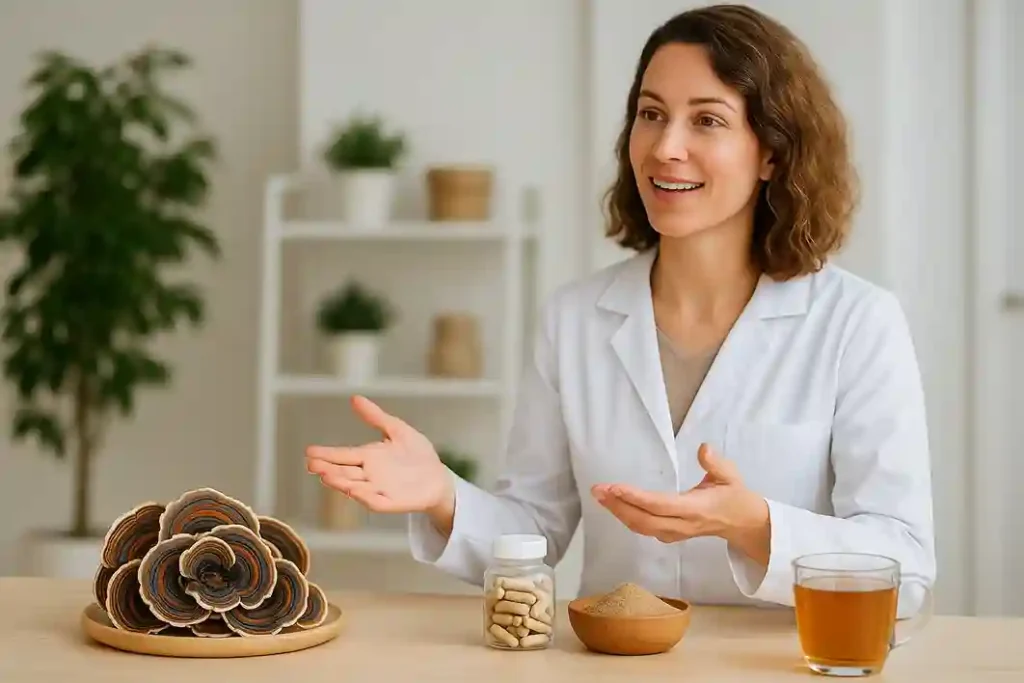
Across the U.S., turkey tail has become a versatile addition to many wellness routines. People use it in various forms to match their lifestyle and health goals. The most popular options include teas, tinctures, capsules, and powders, each offering its own convenience and benefits.
Turkey tail tea is a favorite among those who prefer natural, slow-brewed remedies. The tea is made by simmering dried slices of the mushroom in hot water for about an hour. This process extracts its beneficial compounds, creating a soothing drink often enjoyed in the morning or before bed. Tinctures—liquid extracts—are another common choice, offering fast absorption and easy dosing. They’re usually taken by placing a few drops under the tongue or mixing them into smoothies or warm beverages.
For daily supplementation, many Americans choose capsules or powders. Capsules provide a measured, consistent dose, usually around 1,000 to 2,000 mg per day, depending on the brand and concentration. Powders are popular with fitness enthusiasts, who often mix them into shakes, soups, or coffee for a mild energy lift and immune boost.
Although turkey tail isn’t known for its flavor, it still finds a place in the kitchen. Its tough, woody texture makes it unsuitable for direct cooking, but it shines when simmered into broths and teas. The resulting brew has an earthy aroma and a grounding effect, perfect for a calm evening drink.
From wellness shelves to kitchen counters, turkey tail is everywhere—bridging traditional herbal wisdom with modern wellness habits across America.
Why Turkey Tail Is So Popular Now
In recent years, turkey tail has captured the attention of health-conscious Americans more than ever before. As people became increasingly aware of immune health, especially after the pandemic, natural wellness solutions started gaining momentum. Consequently, many individuals began seeking safer, plant-based ways to strengthen their bodies and improve resilience.
Moreover, the rise of functional mushrooms has played a major role in this trend. Alongside reishi and lion’s mane, turkey tail stands out for its strong scientific backing and rich cultural history. Because it bridges traditional medicine and modern nutrition, it appeals to both herbal enthusiasts and evidence-driven consumers. This connection between heritage and science gives turkey tail an edge in today’s wellness market.
You can now find turkey tail products almost everywhere—from major U.S. health stores to online wellness platforms. In fact, research databases and supplement retailers report a sharp increase in interest and availability. Additionally, Google search data over the past three years shows a steady rise in queries for “turkey tail benefits” and “turkey tail tea,” reflecting the mushroom’s growing popularity across the country.
Furthermore, social media wellness communities have embraced turkey tail for its immune, gut, and recovery benefits. Influencers frequently share recipes and personal testimonials, further fueling the trend. As more studies highlight its immune-modulating and antioxidant effects, its reputation continues to strengthen within the broader wellness movement.
But popularity alone isn’t the reason many people swear by this mushroom—it’s the noticeable results they feel, from improved energy to better balance in everyday life.
How to Choose Quality Turkey Tail Products

When shopping for turkey tail supplements, quality matters just as much as consistency. Not all products deliver the same level of potency or purity, so it’s important to know what to look for before you buy. Making informed choices helps ensure you’re actually getting the mushroom’s full benefits.
First, look for supplements made from the fruiting body—the part of the mushroom that grows above ground. Many cheaper brands use mycelium on grain, which contains less of the key compounds like beta-glucans. Fruiting body extracts, on the other hand, are richer in active nutrients and offer stronger immune support.
Next, always check for third-party testing. Reliable manufacturers send their products to independent labs to verify purity, potency, and safety. Look for clear labels that mention beta-glucan content, as this is the main compound responsible for turkey tail’s immune-modulating effects. Verified lab reports or QR codes on packaging are good signs of transparency.
It’s also wise to choose organic, U.S.-grown sources whenever possible. Domestic producers often follow strict safety standards and maintain higher quality control. Organic certification ensures the mushrooms are cultivated without harmful pesticides or fillers, giving you a cleaner, more effective supplement.
Additionally, consider the extraction method. Hot water or dual extraction (using both water and alcohol) is ideal because it captures both water-soluble and fat-soluble compounds. This approach guarantees a broader spectrum of nutrients.
Finally, read customer reviews and look for brands that clearly list ingredients, dosages, and testing details. If the label feels vague or overly commercial, it’s worth moving on.
Smart shopping ensures you get the benefits you’re paying for, allowing your turkey tail supplement to truly support your wellness goals with confidence and safety.
Possible Side Effects and Precautions
While turkey tail is generally safe for most people, it’s still important to be aware of a few mild side effects. Some users may experience slight digestive discomfort, such as bloating, gas, or soft stools, especially when first starting supplementation. These effects usually fade as the body adjusts to the mushroom’s fiber and polysaccharides.

Because turkey tail interacts with the immune system, individuals with autoimmune disorders or those undergoing chemotherapy or radiation should consult a healthcare professional before use. A qualified practitioner can help determine safe dosage levels and monitor any interactions with existing treatments. Taking this precaution ensures that turkey tail supports rather than interferes with ongoing care.
Additionally, pregnant or breastfeeding individuals should seek medical guidance before adding any new supplement to their routine. Children should only take turkey tail under professional supervision, as their immune systems are still developing.
It’s also worth noting that quality and purity affect tolerance. Products contaminated with fillers, grains, or untested ingredients may cause unnecessary reactions. Choosing certified, third-party-tested turkey tail supplements helps reduce these risks significantly.
Overall, turkey tail is considered very gentle and well-tolerated when used responsibly. Starting with smaller doses and gradually increasing intake can help your system adapt smoothly.
With mindful use, most people tolerate turkey tail very well, experiencing only positive effects that align with their wellness goals.
Frequently Asked Questions (FAQ)
Conclusion: The Modern Power of an Ancient Mushroom
Turkey tail stands as a remarkable example of how ancient wisdom and modern science can work together. Once valued in traditional Chinese and Japanese medicine, it now holds a firm place in today’s U.S. wellness culture. Its unique blend of polysaccharides, beta-glucans, and antioxidants continues to attract attention from researchers and health enthusiasts alike.
Because of its ability to support the immune system, nurture gut health, and promote overall balance, turkey tail has become one of the most trusted functional mushrooms. From soothing teas to daily capsules, it fits easily into modern lifestyles while keeping its deep natural roots intact.
Most importantly, turkey tail isn’t just a trend—it’s a bridge between nature’s quiet healing power and evidence-based wellness. With mindful use, it can help strengthen both body and mind in gentle, lasting ways.
If you’ve tried turkey tail before, share your experience in the comments below.
Your story might inspire someone else to explore this fascinating mushroom and discover its restorative benefits for themselves.

Adi holds a B.Sc. in Hospitality Management from the Institute of Hotel Management, bringing both academic knowledge and real-world experience to the table. Passionate about food, flavor, and the stories behind every dish, Adi writes to make culinary concepts approachable for everyone. From exploring global cuisines to highlighting simple kitchen techniques, the goal is always the same—help readers enjoy food more deeply and cook with confidence.