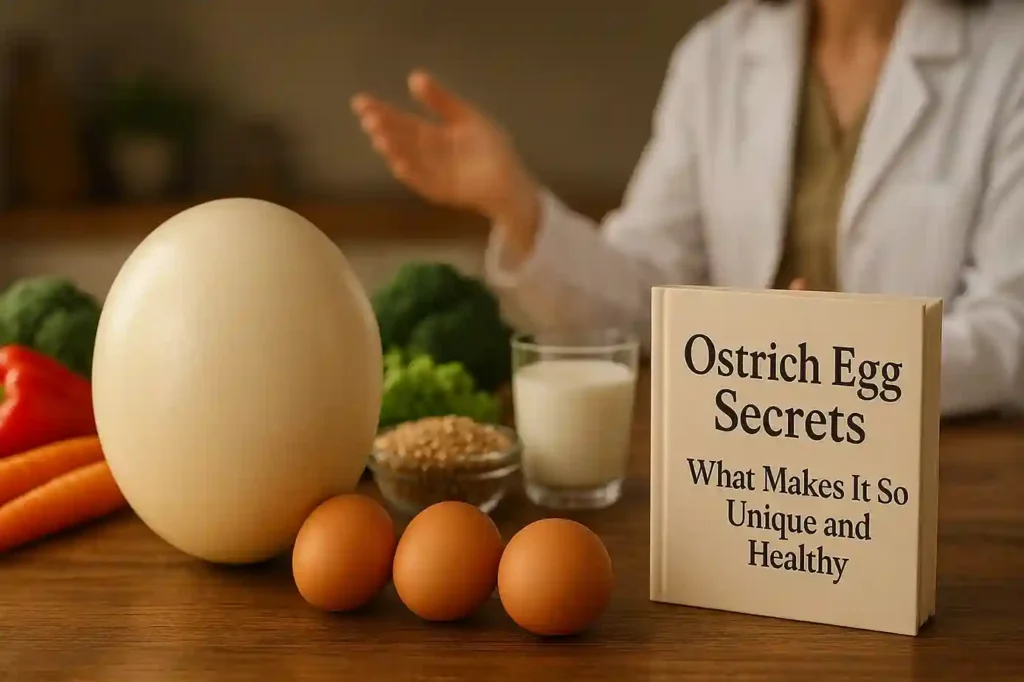
The ostrich egg is the largest edible egg in the world, commanding attention in both kitchens and nutrition circles. Its enormous size, rich taste, and impressive nutrient content make it a remarkable food that bridges luxury and wellness. In fact, a single ostrich egg can weigh up to three pounds—equivalent to nearly two dozen chicken eggs. Because of its unique texture and mild, buttery flavor, chefs and health-conscious eaters alike are discovering new ways to incorporate it into meals.
Across gourmet restaurants, the ostrich egg has become a culinary centerpiece, often celebrated for its ability to feed an entire family or group in one sitting. Beyond its novelty, it’s now gaining recognition for its balanced nutrition, high-quality protein, and essential vitamins. As curiosity grows, so does appreciation for this giant egg’s potential. Transitioning from fascination to facts, let’s explore its impressive nutritional profile next.
What Makes an Ostrich Egg So Special
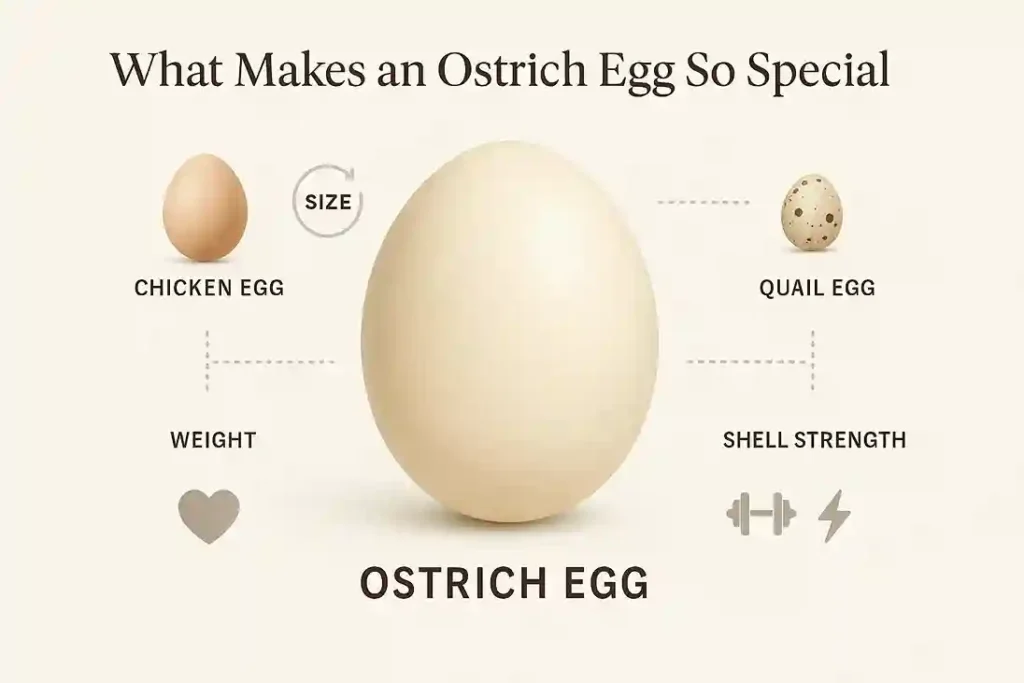
An ostrich egg is extraordinary for its impressive size, strong shell, and refined flavor. On average, it weighs about three pounds—equal to nearly two dozen chicken eggs. Its smooth, glossy surface and pale cream color make it visually striking, while its shell, nearly two millimeters thick, adds both beauty and resilience. This durability protects the egg’s contents and makes it a unique ingredient prized by chefs and nutrition enthusiasts.
Inside, the yolk is rich and golden, surrounded by a thick, creamy white that gives the egg its distinctive texture. The flavor is surprisingly mild and slightly buttery, less intense than duck or goose eggs. This balance allows it to blend beautifully in both sweet and savory recipes.
Cooking with an ostrich egg requires patience and creativity. Boiling one can take nearly an hour, while scrambling or baking calls for special pans and steady heat. When cooked properly, its texture turns dense yet creamy—perfect for hearty breakfasts, quiches, or baked dishes.
Because of its size and richness, one ostrich egg can serve a family or feed a small gathering. Its blend of taste, nutrition, and novelty makes it a remarkable culinary treasure found nowhere else in nature.
“An ostrich egg reminds us that nature’s greatest wonders aren’t always small—they’re grand, rich, and meant to be shared.”
Nutrition Profile of the Ostrich Egg
When it comes to nutrition, the ostrich egg truly earns its reputation as a powerhouse of balanced nourishment. Its impressive size holds a wealth of macronutrients, essential vitamins, and minerals that support overall health. Let’s explore what makes it nutritionally unique—and how it compares to more familiar eggs on your plate.
Macronutrients: A Complete Package of Energy
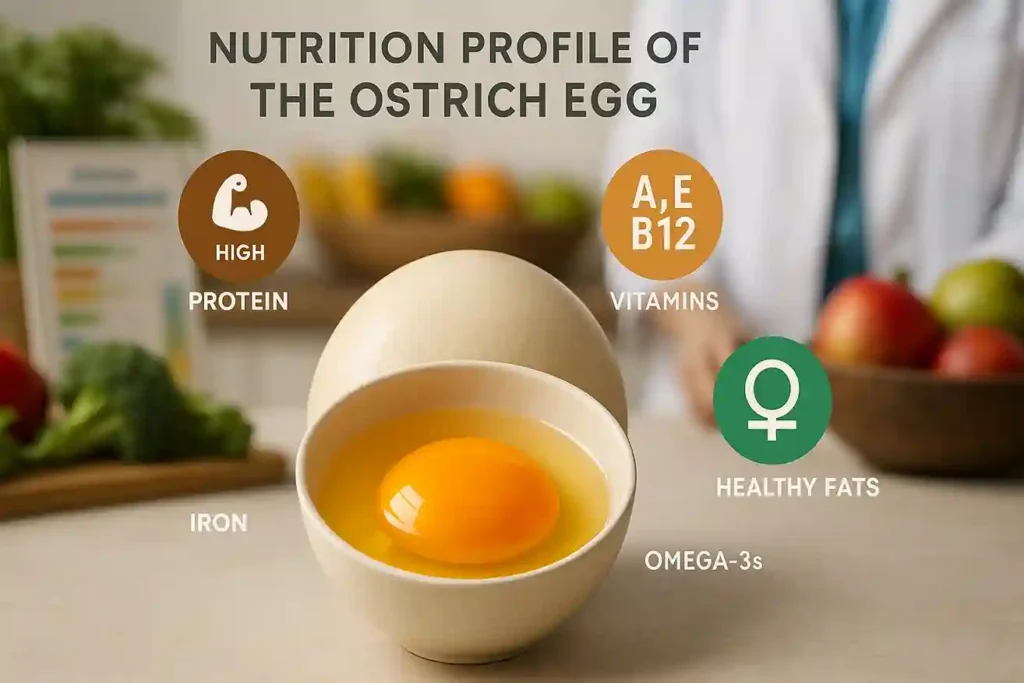
An ostrich egg offers a remarkable combination of protein, healthy fats, and carbohydrates. One egg provides roughly 2,000 calories, containing about 235 grams of protein, 175 grams of fat, and a minimal amount of carbohydrates. The protein content is exceptionally high, supporting muscle growth, tissue repair, and sustained energy. Its fats are largely unsaturated, helping to maintain good cholesterol levels when consumed in moderation. These macronutrients make the ostrich egg an ideal option for athletes and active individuals seeking nutrient-dense meals.
Vitamins and Minerals: Small Quantities, Big Impact
Beyond macronutrients, the ostrich egg is rich in essential micronutrients. It delivers a strong dose of vitamin A for vision and immune support, vitamin E for antioxidant protection, and vitamin B12 for healthy red blood cells and nerve function. The egg also provides iron, vital for oxygen transport, and calcium, crucial for bone strength. These nutrients work together to promote overall vitality and metabolic balance.
Comparison with Chicken and Duck Eggs
In comparison, the ostrich egg surpasses both chicken and duck eggs in sheer quantity of nutrients. While a chicken egg contains about 6 grams of protein and a duck egg around 9 grams, an ostrich egg delivers over ten times that amount per serving. However, its high calorie and fat content mean portion control is essential. The taste, richer and creamier than chicken eggs, also adds a gourmet touch to dishes without needing much seasoning.
Cholesterol and Calorie Considerations
Because of its size, an ostrich egg contains approximately 2,000 milligrams of cholesterol, so moderation remains key. Eating it occasionally, rather than daily, helps balance the benefits and prevent excess intake.
Despite its richness, balance makes it healthy. When enjoyed thoughtfully, the ostrich egg can be both a luxurious treat and a valuable source of complete nutrition.
Health Benefits Worth Noticing
The ostrich egg isn’t just fascinating for its size—it’s a genuine nutritional ally for the body. Packed with high-quality protein, essential vitamins, and vital minerals, it offers a blend of strength, protection, and nourishment that few other foods can match. Each serving contributes to muscle repair, immune balance, and even heart wellness when consumed wisely.
Protein: Building and Repairing Strength
Protein is one of the ostrich egg’s greatest advantages. With over 230 grams of protein per egg, it supports muscle growth, tissue repair, and overall physical recovery. Whether you’re an athlete or simply active, these proteins provide essential amino acids the body cannot produce on its own. They help maintain lean muscle mass, enhance energy, and promote faster recovery after exercise or injury.

Vitamin E: Nature’s Antioxidant Shield
Rich in vitamin E, the ostrich egg helps combat oxidative stress by neutralizing harmful free radicals. This powerful antioxidant supports cell protection, slows aging processes, and enhances skin health. Regular intake, in moderation, can also help reduce inflammation—benefiting both heart and joint health over time.
Immune and Bone Support: Strength from Within
With a robust mix of vitamin A, vitamin B12, iron, and calcium, the ostrich egg strengthens the body’s defenses and structure. Vitamin A enhances immune function, helping the body resist infections, while B12 sustains nerve and blood health. Iron aids oxygen transport, improving stamina, and calcium fortifies bones and teeth, reducing the risk of age-related bone loss.
Heart Health: Balance Brings Benefit
Though high in cholesterol, the ostrich egg also contains beneficial unsaturated fats that may support cardiovascular health when consumed sensibly. These fats can help maintain good HDL cholesterol levels while limiting excess LDL buildup.
In essence, the ostrich egg fuels the body with balanced nutrients that promote strength, protection, and vitality. Moderation remains essential—but with mindful eating, this impressive egg truly supports a healthy, active life.
Ostrich Egg vs. Chicken Egg: A Quick Comparison
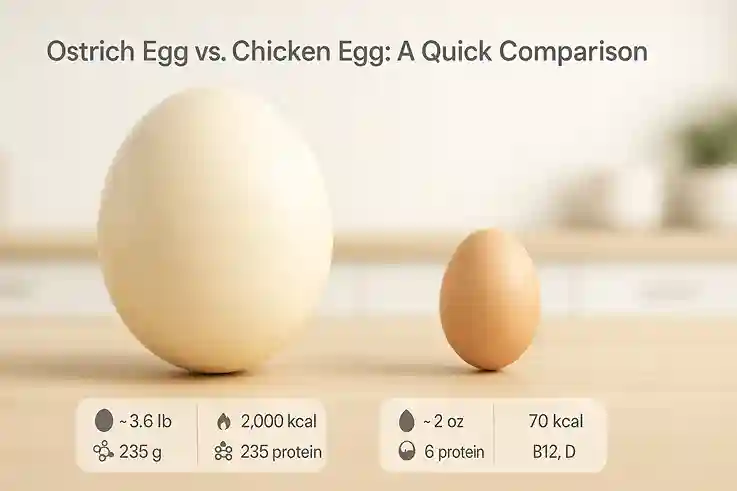
When comparing the ostrich egg to the everyday chicken egg, size is only the beginning of what sets them apart. Both offer rich nutrition, but their differences in content, texture, and culinary use reveal just how unique the ostrich egg truly is.
| Feature | Ostrich Egg | Chicken Egg |
|---|---|---|
| Weight | ~3 lbs | ~2 oz |
| Protein | Higher | Moderate |
| Taste | Rich, buttery | Mild |
| Cooking Time | Longer | Short |
| Cost | Expensive | Affordable |
For readers interested in verified nutrition data, you can explore official information through the United States Department of Agriculture (USDA) FoodData Central search tool. It provides comprehensive nutrient breakdowns for various foods, including eggs, helping you compare the ostrich egg with standard chicken or duck eggs based on scientific data.
Possible Drawbacks and Dietary Cautions
While the ostrich egg offers remarkable nutritional value and culinary appeal, it’s important to understand its potential drawbacks. Like many nutrient-dense foods, moderation and mindful consumption make all the difference. Although it’s a wholesome ingredient, certain individuals may need to exercise caution due to cholesterol levels, possible allergies, or digestive sensitivity.
Cholesterol Levels and Portion Control
An ostrich egg contains a substantial amount of cholesterol—around 2,000 milligrams per egg. While this might seem alarming, it’s important to remember that a single ostrich egg is equal to roughly two dozen chicken eggs. Eating an entire one alone isn’t realistic for most people, but even smaller portions can provide plenty of nutrients.
Cholesterol itself isn’t entirely harmful; the body needs it for hormone production and cell function. However, excess intake may contribute to elevated LDL (bad) cholesterol levels in some individuals, especially those with existing heart conditions. Practicing portion control—such as sharing an ostrich egg among several people or incorporating it occasionally into meals—helps balance its benefits while minimizing potential risks.

Allergy and Digestive Considerations
Although rare, some individuals may experience allergic reactions to the ostrich egg similar to those caused by chicken or duck eggs. Symptoms may include mild itching, nausea, or, in more severe cases, respiratory discomfort. People with known egg allergies should avoid trying ostrich eggs without medical guidance.
Additionally, because of its dense protein structure and large portion size, digestion may take longer than that of smaller eggs. Those with sensitive stomachs or digestive issues might prefer consuming small servings first to gauge tolerance.
Consult a Nutritionist for Regular Consumption
For anyone considering adding the ostrich egg to their diet regularly, consulting a qualified nutritionist is a wise step. A professional can help determine ideal portion sizes based on individual health needs and cholesterol levels. They can also suggest balanced pairings—such as fresh vegetables, whole grains, and unsaturated fats—to enhance nutritional harmony.
In short, while the ostrich egg is rich, satisfying, and full of nutrients, moderation ensures it remains a healthy indulgence. With awareness and guidance, it can fit beautifully into a balanced diet without compromising wellness.
Ostrich Egg vs. Goose, Turkey, and Emu Eggs
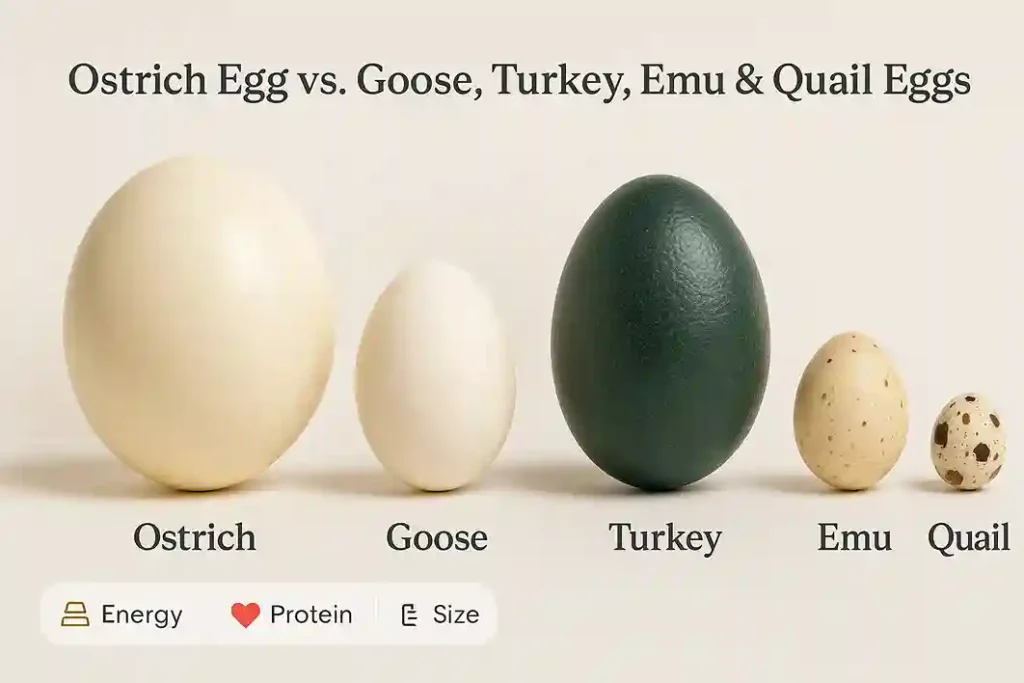
While the ostrich egg steals the spotlight for its extraordinary size, other large bird eggs like goose, turkey, and emu eggs also deserve recognition. Each brings a distinctive flavor, texture, and nutritional profile, appealing to different culinary preferences. Let’s explore how they compare in terms of taste, size, and nutritional value.
Goose Eggs: Rich and Intensely Flavorful
A goose egg is much smaller than an ostrich egg but still nearly three times larger than a chicken egg. Its yolk is deep yellow and rich, giving it a strong, earthy flavor. Goose eggs contain more protein and fat per serving, making them satisfying but quite filling. They are often preferred for baking due to their dense texture and vibrant color. However, they’re high in cholesterol, so moderation is key.
Turkey Eggs: Creamy and Balanced
Turkey eggs are somewhat rare in markets but known for their creamy texture and balanced flavor—richer than chicken eggs, yet milder than goose eggs. Slightly speckled with a hard shell, they provide a good source of vitamin B12, selenium, and healthy fats. Turkey eggs are nutritious and versatile, ideal for breakfast dishes or baking. Their cholesterol content, though significant, is lower than that of an ostrich egg when measured by portion size.
Emu Eggs: Dark, Dense, and Nutrient-Rich
The emu egg is instantly recognizable for its dark green, almost jade-colored shell. Roughly the size of 10–12 chicken eggs, it has a rich, buttery flavor and firm texture. Emu eggs contain a favorable balance of protein, omega-3 fats, and iron, offering strong nutritional benefits. They also have a slightly lower cholesterol concentration compared to ostrich eggs, making them a more heart-conscious option.
Quail Eggs: Small Yet Powerfully Nutritious
At the opposite end of the scale lies the quail egg—tiny, speckled, and beautifully patterned. Though small, quail eggs are nutrient-dense, offering high-quality protein, vitamin B12, iron, and selenium in compact form. Their mild, slightly gamey flavor adds elegance to salads, canapés, or gourmet appetizers.
Quail eggs are easier to digest and lower in cholesterol compared to ostrich or goose eggs, making them an excellent choice for people seeking light, balanced nutrition. Their small size also encourages portion control, allowing for frequent consumption without overindulgence.
Together, these eggs highlight the incredible diversity in nature’s design. The ostrich egg dominates in size and presence, while goose and emu eggs offer richness and depth. Turkey eggs provide balance, and quail eggs deliver elegance and nutrition in miniature form. Each brings a distinct experience to the table—proof that every egg, large or small, holds its own culinary secret.
Frequently Asked Questions About Ostrich Eggs
Conclusion: The Giant Egg That Balances Power and Nutrition
The ostrich eggs are far more than a culinary curiosity—it’s a remarkable symbol of balance between size, strength, and nourishment. From its immense weight and thick shell to its creamy flavor and rich nutrient profile, every part of it reflects nature’s brilliance. Packed with high-quality protein, vitamins A, E, and B12, iron, and calcium, it supports muscle growth, bone health, and immunity when eaten in moderation.
Despite its high cholesterol content, portion control ensures it remains a wholesome, energizing food rather than an indulgence. Compared with other eggs—like goose, turkey, emu, or quail—it stands out not only for its grandeur but also for its versatility and nutritional depth. It’s ideal for shared meals, family gatherings, or culinary experiments that celebrate both taste and health.
Ultimately, the ostrich egg invites us to rethink what food can be—simple yet extraordinary, humble yet powerful. Its uniqueness lies not only in its size but also in its ability to nourish body and mind.
With awareness, creativity, and balance, the ostrich egg transforms from a rare find into a truly healthy and fascinating food experience.
Would you try cooking with ostrich eggs? Share your thoughts or recipes in the comments below!

Adi holds a B.Sc. in Hospitality Management from the Institute of Hotel Management, bringing both academic knowledge and real-world experience to the table. Passionate about food, flavor, and the stories behind every dish, Adi writes to make culinary concepts approachable for everyone. From exploring global cuisines to highlighting simple kitchen techniques, the goal is always the same—help readers enjoy food more deeply and cook with confidence.