
When people compare quail eggs vs chicken eggs, curiosity quickly takes over. Both look similar, yet each offers unique nutrition. Many health-conscious Americans now see quail eggs as a rising alternative to regular chicken eggs. These tiny eggs attract attention for their richer flavor and dense nutrients. Meanwhile, chicken eggs continue to hold their ground as an everyday staple on U.S. breakfast tables.
The debate often centers on which egg provides better benefits for energy, immunity, and balance. Some believe quail eggs pack more vitamins per bite, while others trust chicken eggs for consistent protein and affordability. The growing presence of quail eggs in local markets shows shifting preferences among mindful eaters.
Choosing between them isn’t just about taste—it’s about health, accessibility, and purpose. Let’s explore their differences step by step to discover which one truly deserves a place in your diet.
Nutritional Comparison: What Each Egg Brings
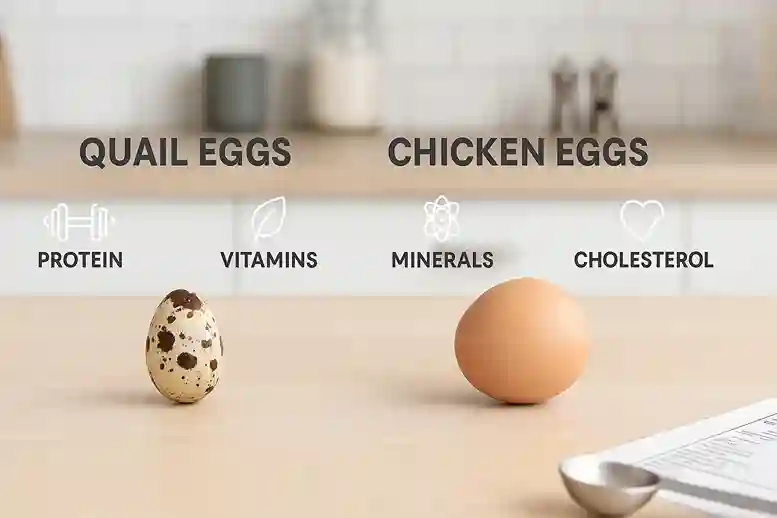
When comparing quail eggs vs chicken eggs, nutrition stands at the center of the discussion. Each offers essential macronutrients—protein, fat, and calories—but in slightly different proportions. Per gram, quail eggs often carry a higher nutrient density. Their yolk-to-white ratio is greater, giving them more vitamins and minerals in smaller bites. In contrast, chicken eggs provide larger servings, making them practical and affordable for daily consumption.
| Nutrient (per 100g) | Quail Egg | Chicken Egg |
|---|---|---|
| Calories | 158 kcal | 143 kcal |
| Protein | 13 g | 12.6 g |
| Total Fat | 11 g | 9.5 g |
| Vitamin B12 | Higher | Moderate |
| Iron | 1.8 mg | 1.2 mg |
| Riboflavin (B2) | High | Moderate |
| Cholesterol | 844 mg | 372 mg |
Quail eggs clearly deliver more concentrated nutrients, ideal for those seeking energy and micronutrient support in smaller portions. However, chicken eggs remain superior in convenience, portion size, and affordability.
For accurate nutrient information on both quail and chicken eggs, refer to the United States Department of Agriculture – FoodData Central nutrient database
Health Benefits of Quail Eggs
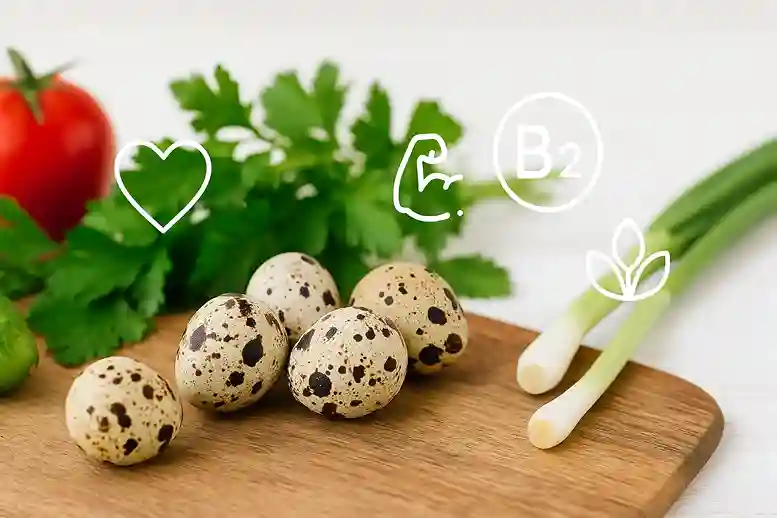
When comparing quail eggs vs chicken eggs, quail eggs often surprise people with their impressive nutrient profile. Despite their small size, these speckled eggs are dense with vitamins, minerals, and antioxidants. Each tiny shell carries a nutritional punch that supports immunity, skin health, and overall vitality.
1. Boosts Immunity Naturally
Quail eggs are loaded with vitamin A, vitamin B12, and selenium—three key nutrients that enhance immune defense. Vitamin A helps protect mucous membranes, keeping the respiratory and digestive tracts strong. Vitamin B12 supports red blood cell production and helps your body fight fatigue. Selenium, a trace mineral, works as an antioxidant that strengthens immune responses at the cellular level.
2. Promotes Healthy Skin and Hair
These eggs also benefit your skin and hair due to their high vitamin E and antioxidant content. Quail eggs help neutralize free radicals that cause aging and dullness. Regular consumption supports collagen formation, leading to firmer, more radiant skin. The protein in quail eggs also nourishes hair follicles, improving texture and strength.
3. Supports Energy and Brain Function
Thanks to their iron, riboflavin, and healthy fats, quail eggs keep energy levels stable throughout the day. Riboflavin aids in breaking down food into usable energy. Iron improves oxygen transport, helping you stay alert and active. This combination makes quail eggs a convenient snack for busy mornings or post-workout recovery.
4. Allows Portion Control and Flexibility
Because quail eggs are small, they offer effortless portion control. You can enjoy two or three quail eggs instead of one chicken egg, which helps balance calorie intake while still getting valuable nutrients. Their petite size also makes them perfect for creative recipes like salads, sushi, or breakfast bowls.
5. A Tiny Egg with Big Potential
From boosting immunity to enhancing skin health, quail eggs prove that size doesn’t define power. Their dense nutrients make them a compact superfood worth including in your diet.
However, benefits depend on how you eat them. Cooking methods and moderation determine how effectively your body absorbs their rich nutrients.
Health Benefits of Chicken Eggs
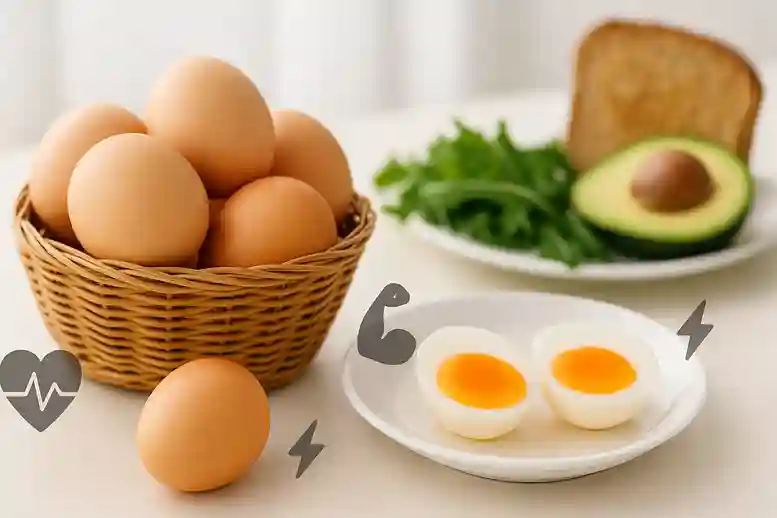
When comparing quail eggs vs chicken eggs, chicken eggs continue to stand as one of the most dependable and accessible protein sources in the American diet. They’re widely recognized for their balanced nutrition, affordability, and versatility. Beyond their popularity, chicken eggs offer impressive benefits for muscle growth, brain health, and even heart wellness.
1. High-Quality Protein for Muscle and Repair
Chicken eggs provide complete protein, including all nine essential amino acids needed for tissue repair and muscle maintenance. Each large egg contains about six grams of protein, which the body absorbs efficiently. This makes them perfect for people aiming to build lean muscle or sustain steady energy throughout the day. Unlike many processed protein foods, eggs deliver clean nutrition without additives or excess fat.
2. Supports Brain Health with Choline
Choline, a nutrient found in high amounts in chicken eggs, contributes to brain development and nerve communication. It helps the body produce acetylcholine, a compound linked to memory, focus, and learning. Regular consumption may support long-term cognitive health, especially in older adults. For growing children and busy professionals alike, eggs provide a natural mental boost without relying on supplements.
3. Promotes Heart Health with Omega-3s
Omega-3 enriched chicken eggs offer added cardiovascular benefits. These healthy fats help reduce inflammation and support better cholesterol balance. While standard eggs already contain small amounts of omega-3, fortified varieties are becoming increasingly available in U.S. stores. Combined with their high-quality protein, they make an ideal choice for those managing heart health through diet.
4. Reliable and Affordable Nutrition
Chicken eggs remain unmatched in accessibility. They’re sold everywhere—from supermarkets to local farms—and fit into nearly every budget. Whether boiled, scrambled, or baked, their versatility makes them a cornerstone of balanced eating.
Taste, Texture, and Cooking Uses
When comparing quail eggs vs chicken eggs, flavor and texture become a fascinating part of the discussion. Though both share the same essential ingredients—yolk and white—their taste and culinary behavior differ more than most people expect.

1. Flavor: Richness vs Familiar Comfort
Quail eggs have a noticeably richer and creamier taste compared to chicken eggs. Their yolks are slightly thicker, giving a more buttery, intense flavor that many describe as gourmet. Chicken eggs, by contrast, have a milder, more neutral taste that blends easily with other ingredients. This makes them ideal for classic American breakfasts or baking recipes where balance matters more than boldness.
2. Texture: Silky vs Fluffy
The higher yolk ratio in quail eggs creates a silkier, denser texture once cooked. This makes them excellent for dishes that benefit from richness, such as custards or creamy sauces. Chicken eggs, being lighter, whip up with more air, which is why they’re preferred in baking, omelets, and soufflés. Their structure helps create volume and fluff, giving baked goods their soft, airy quality.
3. Cooking Uses: From Everyday to Gourmet
Quail eggs shine in delicate, artistic dishes. They’re often used as toppings for sushi, in elegant appetizers, or served whole in salads. Because of their petite size, they cook quickly—usually in under two minutes when boiled. Chicken eggs, on the other hand, dominate everyday cooking. They work beautifully in scrambles, sandwiches, and desserts, adapting to nearly every meal type. For adventurous home cooks, quail eggs bring visual appeal and a touch of luxury to the plate.
4. The Experience of Eating Each Egg
Eating a quail egg feels refined, almost like tasting a delicacy. Eating a chicken egg feels familiar and comforting—something people grow up with. Both experiences serve different moods: creativity versus consistency.
Taste aside, availability matters too.
Risks and Considerations

When discussing quail eggs vs chicken eggs, the focus often stays on nutrients and taste—but understanding their potential risks is equally important. While both eggs can be part of a balanced diet, certain factors like allergies, cholesterol levels, and cooking safety deserve close attention. Knowing how to handle and consume them safely helps you enjoy their benefits without health concerns.
1. Allergy Risk: Recognizing Sensitivity Early
Egg allergies remain one of the most common food sensitivities, especially among children. Chicken egg allergies are well-documented, typically caused by proteins found in the egg white, such as ovalbumin and ovomucoid. Symptoms may include skin rashes, nasal congestion, stomach discomfort, or, in severe cases, anaphylaxis.
Quail eggs are sometimes promoted as hypoallergenic alternatives, but scientific evidence is limited. Some people allergic to chicken eggs may tolerate quail eggs, yet cross-reactivity is possible. Anyone with an existing egg allergy should consult a healthcare professional before trying quail eggs. For first-time eaters, it’s wise to start with small quantities and observe for any adverse reactions.
2. Cholesterol and Heart Health
Both quail eggs and chicken eggs contain cholesterol, primarily concentrated in the yolk. Quail eggs, in fact, have higher cholesterol per gram than chicken eggs—roughly double the amount. However, recent nutrition research suggests that dietary cholesterol has less impact on blood cholesterol levels than once believed. Instead, overall dietary patterns and genetic factors play a greater role.
Moderation remains essential. For healthy adults, one to two chicken eggs per day or three to four quail eggs can fit comfortably into a balanced diet. People with cardiovascular conditions or high LDL cholesterol should consult a doctor before significantly increasing their intake. Including fiber-rich foods, fruits, and vegetables helps balance cholesterol absorption and supports heart health.
3. Food Safety: Cooking and Storage Matter
Eggs—regardless of species—can carry bacteria such as Salmonella, especially when raw or undercooked. This makes thorough cooking a key step in food safety. Boil, fry, or bake eggs until both the white and yolk are firm. Avoid dishes with raw eggs like homemade mayonnaise or undercooked yolks unless pasteurized eggs are used.
Always refrigerate eggs below 40°F (4°C) and consume them before the expiration date. For quail eggs, which have thinner shells, handle them gently and store them carefully to prevent cracking or contamination.
4. Moderation and Balanced Consumption
Whether you prefer quail or chicken eggs, moderation is key. Overconsumption can contribute to calorie surplus and higher cholesterol intake. A varied diet with lean proteins, whole grains, and vegetables supports long-term health far better than relying on any single food source.
Eating eggs should enhance your nutrition, not dominate it. Both varieties can coexist in your meal plan—chicken eggs for daily convenience, quail eggs for special occasions or added variety.
Which Egg Fits Your Diet Best?

When deciding between quail eggs vs chicken eggs, the answer depends on your personal health goals, taste preferences, and daily routine. Both eggs deliver essential nutrients, but they serve slightly different purposes in your diet. Choosing the right one is about balance—not rivalry.
Quail Eggs: Tiny but Nutrient-Dense
Quail eggs stand out for their compact power. Each small egg contains a concentrated mix of vitamins, minerals, and antioxidants. They’re particularly rich in vitamin B12, iron, and riboflavin, all of which support energy, red blood cell production, and metabolism. Their smaller size makes portion control easier, helping you enjoy their benefits without overeating.
Quail eggs also bring novelty and sophistication to your meals. Their rich, creamy taste and beautiful speckled shells make them ideal for gourmet dishes, appetizers, or special occasions. For those who enjoy experimenting with new flavors or following a nutrient-dense diet, quail eggs offer both nutrition and style.
However, their higher cholesterol per gram and limited availability mean they may not suit everyone’s daily needs. Moderation and proper cooking remain essential.
Chicken Eggs: Practical and Balanced
Chicken eggs remain America’s breakfast classic—and for good reason. They provide high-quality protein, a balanced ratio of fat and nutrients, and unbeatable accessibility. A single large egg delivers about six grams of complete protein, supporting muscle repair, satiety, and energy throughout the day.
They’re versatile too, fitting into countless dishes—from baked goods and omelets to sandwiches and salads. Their consistent quality and affordability make them a reliable choice for busy families, athletes, and anyone seeking steady nutrition without complexity.
While chicken eggs have slightly fewer micronutrients per gram than quail eggs, their portion size and balance make them perfect for everyday consumption. Plus, omega-3-enriched options add extra heart health benefits.
The Final Choice
If you want nutrient density and culinary flair, choose quail eggs. If you value convenience, affordability, and consistent nutrition, stick with chicken eggs.
Both can coexist beautifully in a healthy eating plan. Alternate them based on your needs—quail eggs for a nutrient-rich boost, chicken eggs for daily nourishment.
Ultimately, your goals and lifestyle determine which egg fits your diet best.
FAQs About Quail Eggs vs Chicken Eggs
Conclusion On Quail Eggs vs Chicken Eggs
When comparing quail eggs vs chicken eggs, it’s clear that both have their own strengths. Quail eggs bring nutrient density, rich flavor, and a touch of novelty to the table. Their higher levels of vitamin B12, iron, and antioxidants make them appealing for those seeking concentrated nutrition in smaller bites. Chicken eggs, meanwhile, remain the reliable staple—balanced, affordable, and widely available across the U.S.
If you’re drawn to variety and enjoy experimenting in the kitchen, quail eggs add an elegant twist to your meals. If you prioritize practicality, protein balance, and convenience, chicken eggs easily fit into your daily routine. Each option has its purpose, and neither is truly superior—it all depends on your health goals and lifestyle.
Eating either type in moderation supports energy, immunity, and wellness. Ultimately, the best choice is the one that keeps your diet balanced, your meals satisfying, and your body nourished.
Now it’s your turn—do you prefer quail eggs or chicken eggs, and why? Share your thoughts in the comments below!

Adi holds a B.Sc. in Hospitality Management from the Institute of Hotel Management, bringing both academic knowledge and real-world experience to the table. Passionate about food, flavor, and the stories behind every dish, Adi writes to make culinary concepts approachable for everyone. From exploring global cuisines to highlighting simple kitchen techniques, the goal is always the same—help readers enjoy food more deeply and cook with confidence.