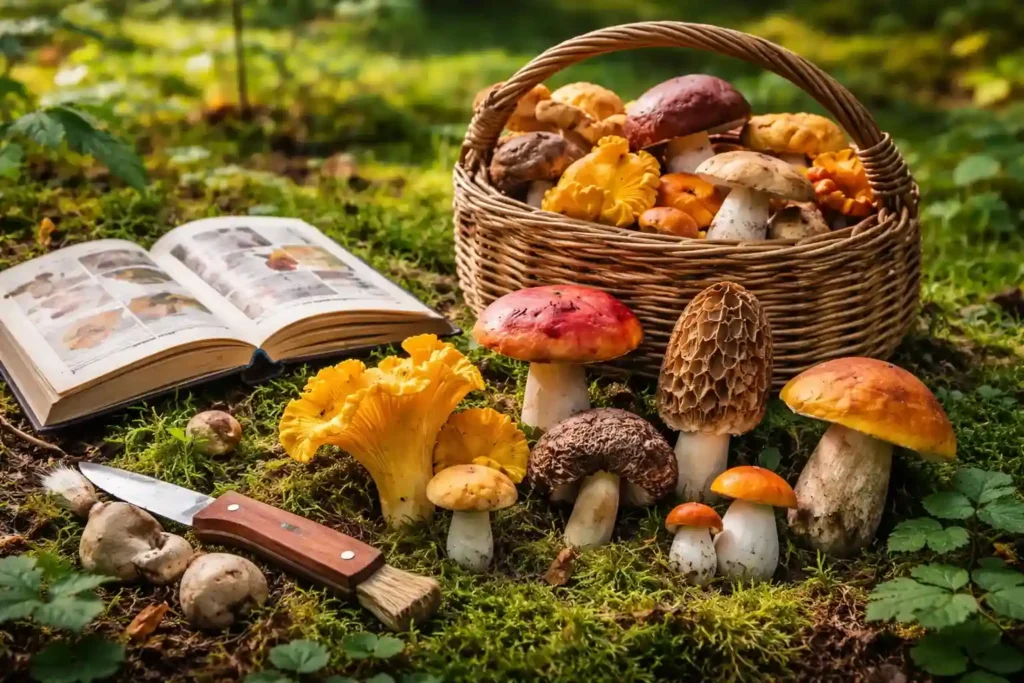
Wild mushrooms offer bold flavors, rich textures, and impressive nutritional value. They grow naturally in forests, fields, and hidden corners of nature. As a result, they attract both food lovers and curious beginners. Many people now explore wild mushrooms for their unique taste and health benefits.
However, wild mushrooms can be tricky to identify without proper knowledge. Some edible varieties closely resemble toxic ones. Therefore, beginners often feel confused or even overwhelmed at first. A small mistake can lead to serious risks, so careful learning becomes essential.
This guide breaks everything down into simple, practical steps. It explains how to find, identify, and use wild mushrooms safely. Moreover, you will learn key tips to avoid dangerous varieties. By the end, you will feel more confident exploring hidden edible treasures in the wild.
“Know before you pick—nature doesn’t forgive.”
What Are Wild Mushrooms?
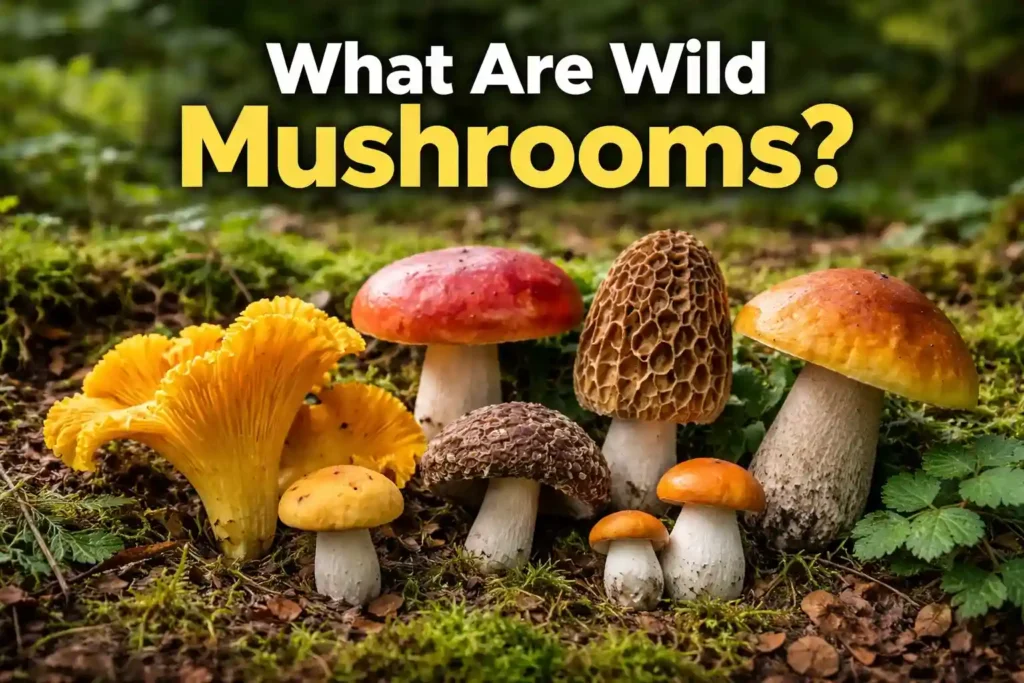
Wild mushrooms grow naturally in forests, fields, and on decaying logs. They thrive without human cultivation or controlled conditions. As a result, they develop deeper flavors, unique textures, and natural diversity. These mushrooms depend on their environment, including soil, moisture, and surrounding plants.
Unlike cultivated mushrooms, wild mushrooms absorb nutrients from organic matter in nature. Therefore, they often contain a wider range of vitamins, minerals, and bioactive compounds. Many food enthusiasts prefer wild mushrooms for their rich taste and seasonal freshness.
However, wild mushrooms include both edible and toxic varieties. Some safe species closely resemble harmful ones, which increases the risk for beginners. For this reason, proper identification becomes essential before consumption. Learning their key features helps you enjoy wild mushrooms safely and confidently.
Benefits of Wild Mushroom
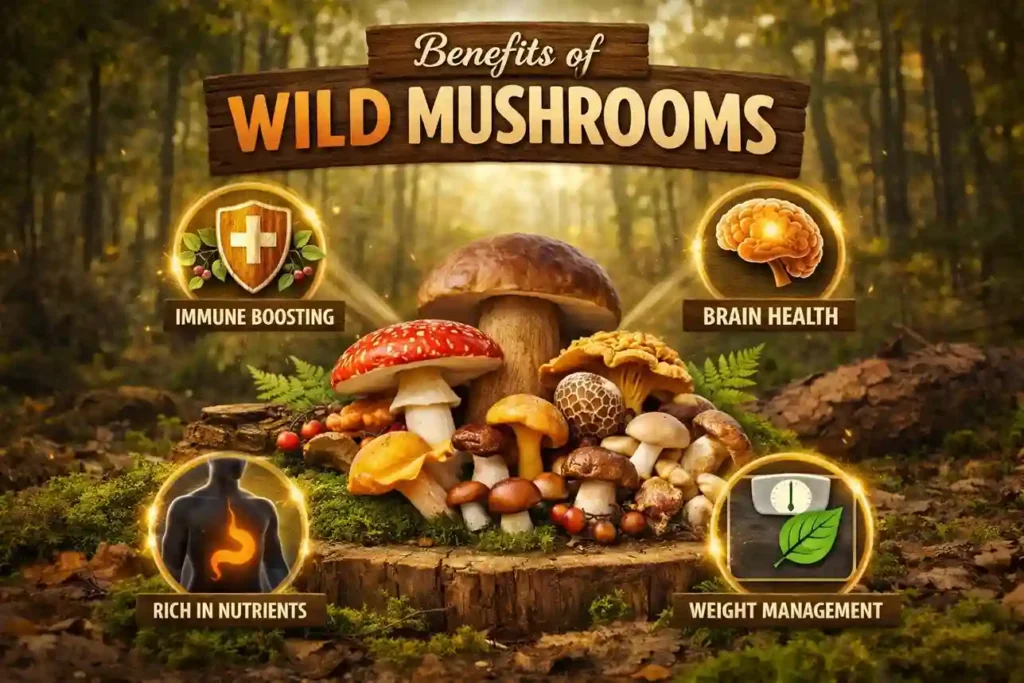
Wild mushrooms offer a powerful mix of nutrition, flavor, and natural wellness support. They grow in diverse environments, which helps them develop rich nutrient profiles. As a result, many people value wild mushrooms for both health benefits and culinary appeal. Moreover, they provide a natural way to enhance meals while supporting overall well-being.
Rich in Nutrients
Wild mushrooms provide essential vitamins and minerals that support daily health. They contain B vitamins, potassium, fiber, and trace minerals. As a result, they help maintain energy levels, brain function, and digestion. Unlike processed foods, wild mushrooms deliver nutrients in a natural and balanced form.
Powerful Antioxidant Support
Wild mushroom are rich in antioxidants that help protect the body from damage. These compounds reduce oxidative stress caused by free radicals. Therefore, they support healthy aging and cellular protection over time. Including wild mushrooms in your diet may help improve overall resilience.
Boost Immunity Naturally
Wild mushroom support the immune system through natural bioactive compounds. Many varieties contain beta-glucans that help regulate immune response. Moreover, they may improve the body’s ability to fight infections. Regular consumption can contribute to stronger and more balanced immunity.
Enhance Flavor in Meals
Wild mushrooms add deep, earthy flavors that elevate simple dishes. They bring a natural umami taste that enhances soups, sauces, and sautés. Additionally, they reduce the need for artificial flavor enhancers. This makes wild mushrooms a favorite choice for both home cooks and chefs.
Common Types of Edible Wild Mushrooms
Edible varieties found in nature offer unique textures, flavors, and culinary value. Many of these mushrooms are highly prized by chefs and foragers. Moreover, each type brings its own taste and visual characteristics. Learning these common varieties helps beginners explore safely and confidently.
1. Morel Mushrooms
Morels stand out due to their distinctive honeycomb-like caps. They have a rich, earthy flavor that pairs well with many dishes. As a result, they are considered a delicacy in many cuisines.
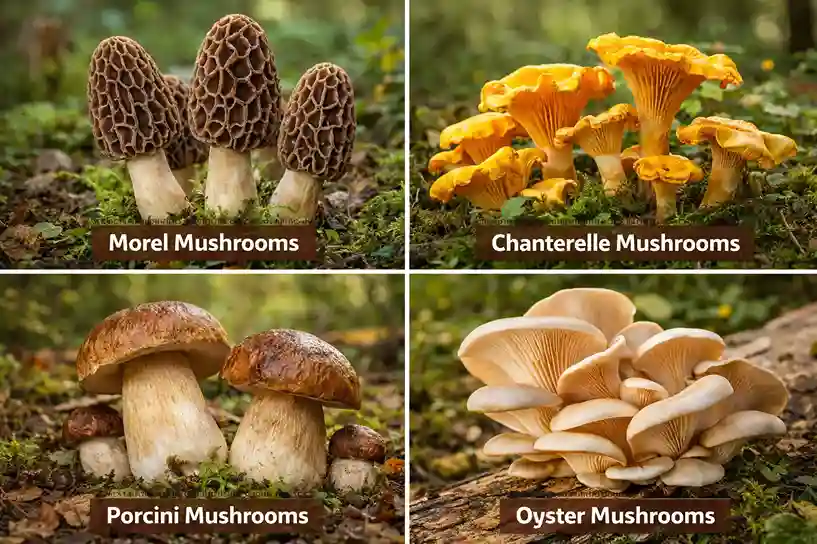
2. Chanterelle Mushrooms
Chanterelles are easy to recognize because of their bright golden color. They offer a mild, fruity aroma with a slightly peppery taste. Therefore, they are popular in gourmet cooking.
3. Porcini Mushrooms
Porcini mushrooms feature a thick stem and smooth brown cap. They deliver a deep, nutty flavor that enhances sauces and pastas. In addition, they are widely used in high-end dishes.
4. Oyster Mushrooms
Oyster mushrooms have a soft texture and a mild, slightly sweet flavor. They grow in clusters on wood, which makes them easier to spot. Moreover, they are one of the simplest varieties for beginners to identify.
Dangerous Wild Mushrooms to Avoid
Some wild mushrooms are highly toxic and can cause serious harm if consumed. They often grow in the same areas as edible varieties. As a result, confusion becomes common, especially for beginners. Learning to recognize dangerous types is essential for safe foraging.
Deadly Look-Alikes
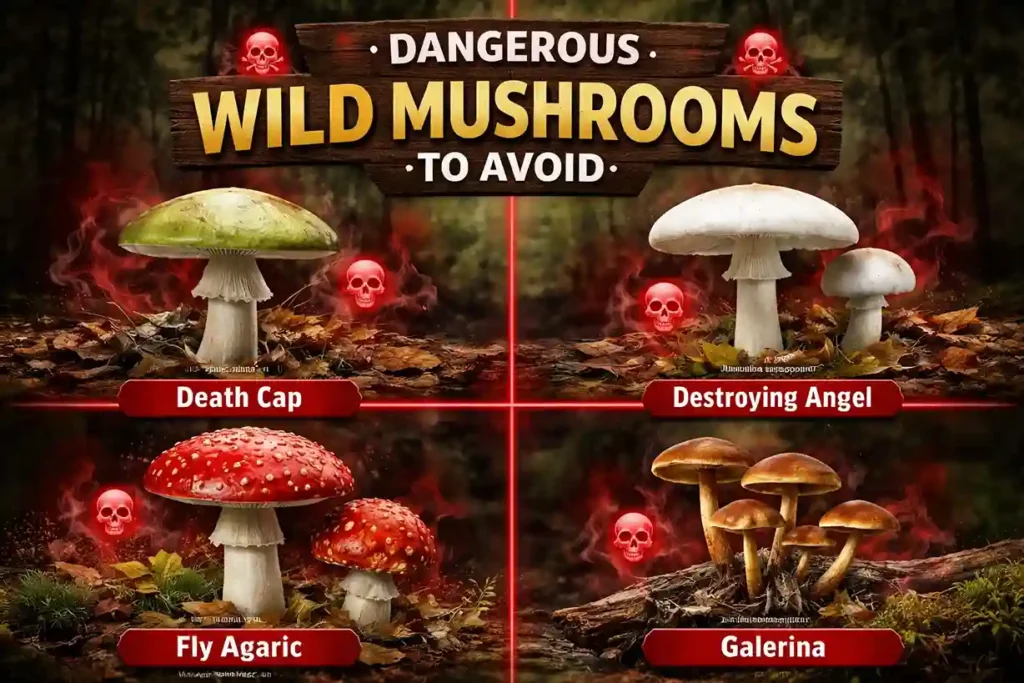
Certain poisonous species closely resemble safe, edible ones. For example, the Death Cap and Destroying Angel appear clean and harmless. However, they contain powerful toxins that can be fatal even in small amounts. Therefore, visual similarity should never be trusted alone.
Risks of Misidentification
Mistaking a toxic variety for an edible one can lead to severe health issues. Symptoms may include nausea, organ damage, or worse. Moreover, some effects appear late, which makes early detection difficult. This increases the danger for inexperienced foragers.
Warning Signs to Watch
Some visual clues can indicate danger, although they are not always reliable. Bright colors, unusual odors, or slimy textures may signal toxicity. In addition, mushrooms with white gills or ringed stems often require extra caution. Paying attention to these signs can reduce risk.
Safety First Approach
Never eat any mushroom unless you are completely certain of its identity. Use trusted field guides or consult experts when needed. Additionally, avoid tasting unknown varieties under any circumstances. A cautious approach always ensures better safety.
How to Identify Wild Mushrooms Safely
Identifying wild mushrooms correctly requires careful observation and patience. Many species look similar at first glance. Therefore, you should always rely on multiple features instead of one detail. A step-by-step approach helps reduce mistakes and improves confidence.
Examine Cap Features
Start by checking the cap shape, color, and surface texture. Some caps are smooth, while others appear scaly or wrinkled. As a result, these small differences can help narrow down the species. Lighting and age may also change appearance, so observe closely.
Study Gills, Stem, and Structure
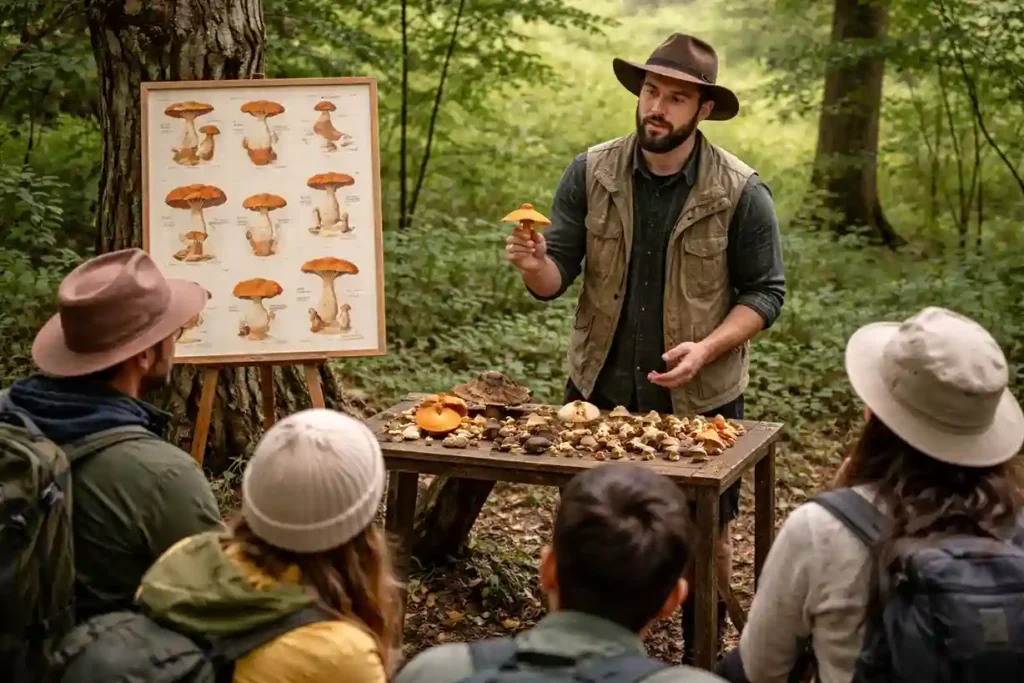
Next, look underneath the cap at the gills or pores. Note their spacing, color, and attachment to the stem. In addition, examine the stem for rings, thickness, or unusual patterns. These structural details play a key role in accurate identification.
Use Spore Prints for Accuracy
A spore print reveals the color of the mushroom’s spores. Place the cap on paper and wait several hours to see the pattern. Therefore, this method provides an extra layer of confirmation. Many species share similar looks but differ in spore color.
Rely on Trusted Resources
Use reliable field guides or consult experienced foragers when possible. Books and expert advice offer detailed comparisons and safety tips. Moreover, joining local foraging groups can improve your learning quickly.
Avoid Risks When Unsure
If you feel uncertain about identification, do not consume the mushroom. Even a small mistake can lead to serious health issues. Therefore, it is always safer to leave unknown varieties untouched.
Where to Find Wild Mushrooms
Finding wild mushrooms becomes easier when you understand their natural habitats. These fungi grow in specific conditions that support moisture and organic matter. As a result, choosing the right location and timing improves your chances of success.
Forests and Natural Landscapes
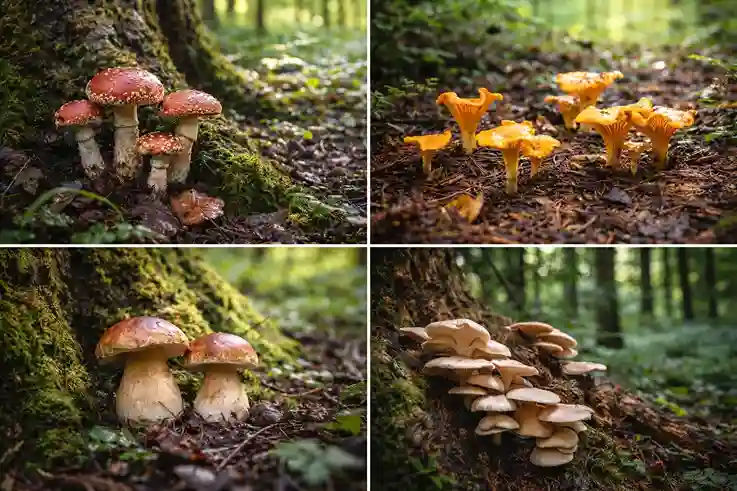
Forests remain one of the best places to search for wild mushrooms. They often grow on the ground, near tree roots, or on decaying logs. In addition, grasslands and open fields can also host certain varieties. Exploring diverse environments increases your chances of finding edible types.
Damp and Shaded Conditions
Moisture plays a key role in mushroom growth. Areas that stay damp and shaded support healthy development. Therefore, locations with moss, leaf litter, or recent rainfall are ideal. Early morning searches often yield better results due to higher humidity.
Seasonal Growth Patterns
Different species appear during specific seasons of the year. Many mushrooms grow during rainy periods or cooler months. As a result, timing your search becomes important for success. Learning seasonal patterns helps you find the right varieties at the right time.
Best Tips for Foraging These Mushrooms
Foraging requires patience, awareness, and the right approach. Beginners often feel excited, but careful habits ensure better results. Therefore, following simple tips can improve both safety and success.
Start with Easy-to-Identify Species
Begin with mushrooms that have clear and unique features. These varieties reduce confusion and lower risk. As a result, you build confidence while learning gradually. Avoid complex or similar-looking species at the start.
Use a Basket Instead of Plastic Bags
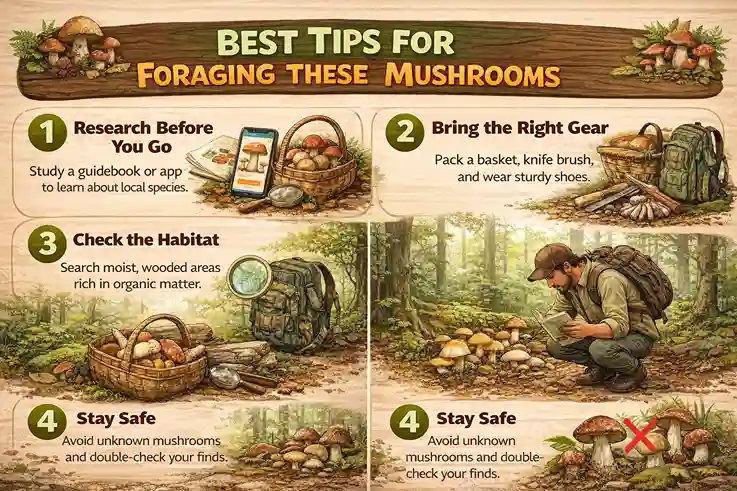
Always carry a basket or mesh bag while collecting. This allows air circulation and keeps mushrooms fresh. In addition, it helps spread spores naturally as you walk. Plastic bags can cause moisture buildup and spoil your collection.
Avoid Polluted Areas
Choose clean environments away from roads, factories, or contaminated soil. Mushrooms can absorb toxins from their surroundings. Therefore, picking from polluted areas can be unsafe. Always prioritize clean and natural locations.
Learn from Experienced Foragers
Guidance from experts can speed up your learning process. They help you identify species and avoid common mistakes. Moreover, joining local groups or guided walks builds practical knowledge. Learning from others reduces risk and improves accuracy.
Common Mistakes to Avoid
Mistakes during foraging can lead to serious risks and poor results. Beginners often rely on limited knowledge or quick judgments. Therefore, understanding common errors helps you stay safe and responsible while exploring.
Relying Only on Appearance
Many people judge mushrooms based on color or shape alone. However, several species look almost identical on the surface. As a result, this approach increases the chance of misidentification. Always examine multiple features before making a decision.
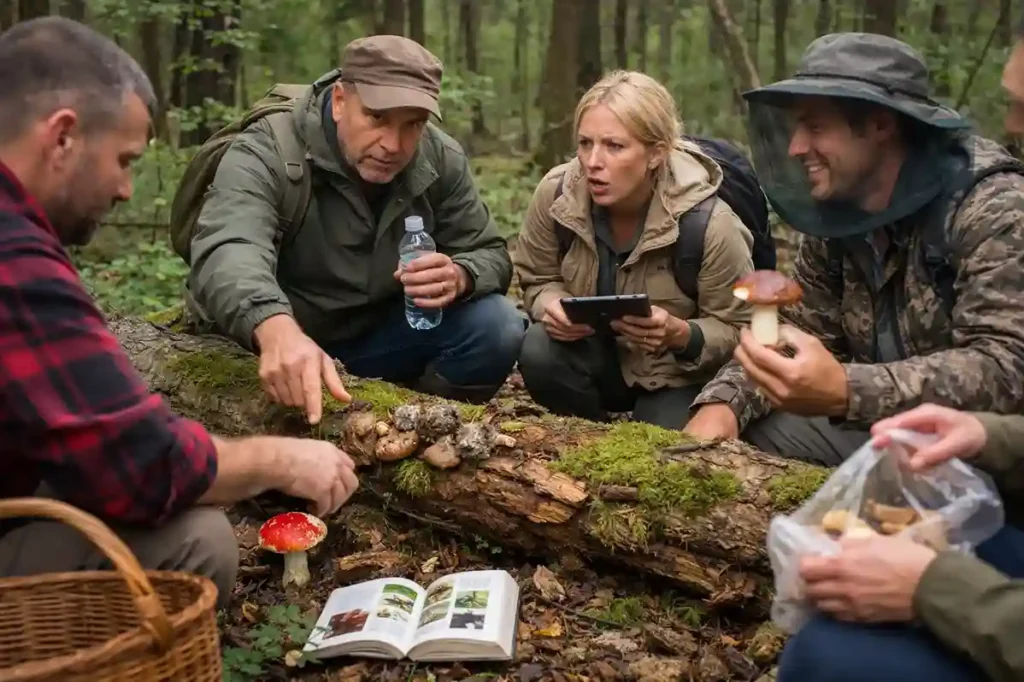
Ignoring Toxic Look-Alikes
Some dangerous varieties closely resemble edible ones. Ignoring these look-alikes can lead to harmful consequences. Moreover, even experienced foragers double-check similar species. Careful comparison is essential for safe identification.
Eating Raw Mushrooms
Consuming mushrooms raw can cause digestive discomfort or toxicity. Cooking helps break down certain compounds and improves safety. Therefore, always cook your harvest before eating. Proper preparation also enhances flavor and texture.
Overharvesting from One Area
Taking too many mushrooms from a single spot harms the ecosystem. It reduces future growth and disrupts natural balance. In addition, responsible harvesting ensures sustainability for others. Always leave some behind to allow regrowth.
The information provided in this article is for educational and informational purposes only and is not intended as professional, medical, or safety advice. Mushroom identification can be complex and carries inherent risks, including serious illness or death. The author and publisher make no representations or warranties regarding the accuracy, completeness, or reliability of the information provided. Any actions you take based on this content are strictly at your own risk. Always consult a qualified expert, certified mycologist, or local authority before collecting or consuming any wild mushrooms. The author and publisher disclaim all liability for any adverse effects, injuries, or damages resulting from the use or misuse of the information presented.
“Wild mushrooms demand respect and awareness.”
You can explore advanced identification keys and species descriptions on Mushroom Expert, a comprehensive resource developed from decades of mushroom research.
FAQs On Mushrooms in Wild
Conclusion: Explore Hidden Edibles with Confidence
Wild mushrooms offer a unique blend of flavor, nutrition, and adventure. They grow in diverse environments, which makes each discovery exciting. As a result, many people enjoy exploring these hidden edible treasures.
However, safety should always remain your top priority. Proper identification, careful foraging, and responsible habits reduce risks significantly. Moreover, learning from reliable sources builds confidence over time.
With the right knowledge and approach, you can enjoy the benefits of nature safely. Start small, stay cautious, and keep learning. This way, your journey into wild mushrooms becomes both rewarding and safe.
Now that you understand the basics, it’s time to take the next step. Start exploring safely, apply what you’ve learned, and build your confidence gradually.
Have questions or your own foraging experience? Share them in the comments below.

Adi holds a B.Sc. in Hospitality Management from the Institute of Hotel Management, bringing both academic knowledge and real-world experience to the table. Passionate about food, flavor, and the stories behind every dish, Adi writes to make culinary concepts approachable for everyone. From exploring global cuisines to highlighting simple kitchen techniques, the goal is always the same—help readers enjoy food more deeply and cook with confidence.