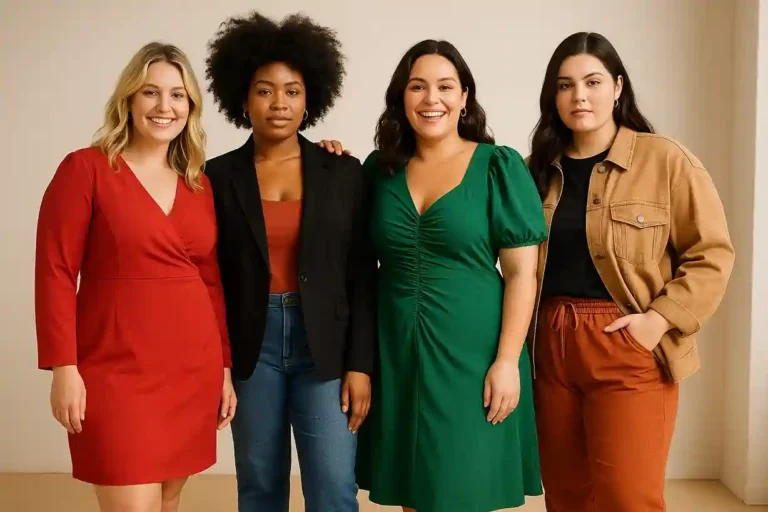
1990s fashion captured a generation unafraid to express individuality and question norms. Each look carried a sense of rebellion — casual yet deliberate. The decade stood between analog simplicity and digital discovery, shaping how people dressed and defined themselves. Streetwear, minimalism, and grunge all emerged from cultural tension and creative freedom. Music, film, and youth movements fueled bold experimentation, breaking boundaries of formality and gender.
Denim became universal, sneakers symbolized cool defiance, and slip dresses blurred day and night. This era valued authenticity over perfection, crafting a wardrobe built on attitude rather than excess. Designers echoed the street, while everyday wearers inspired runways. The 1990s became more than a fashion chapter — it became a mirror of change. Today, those same trends still shape street style and high fashion alike, reminding us that true style begins with self-expression and confidence.
The Raw Edge of 1990s Fashion
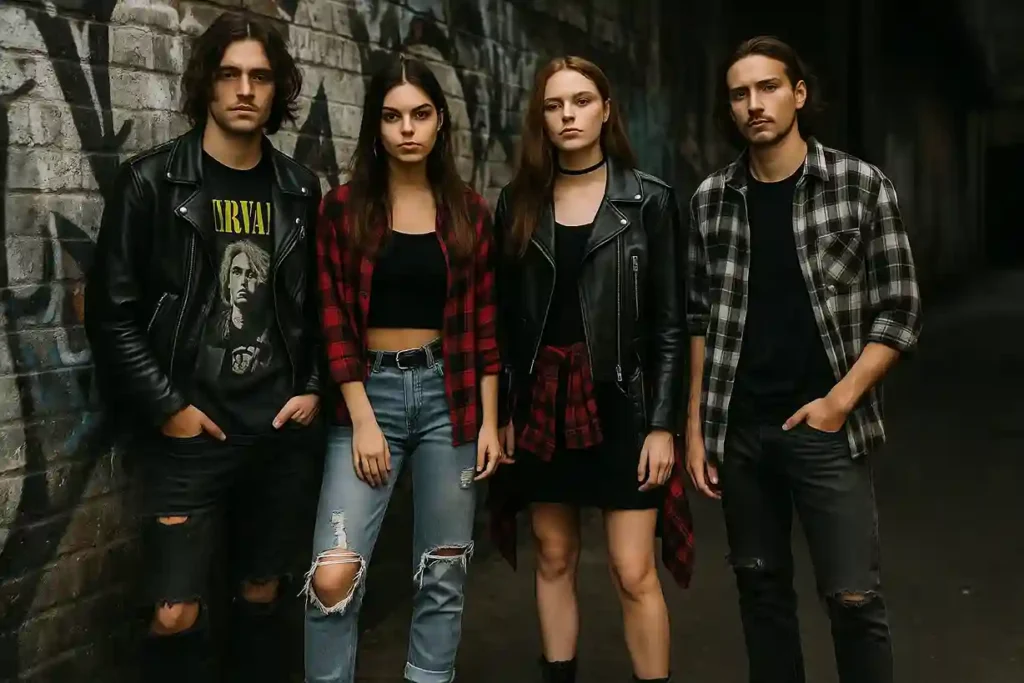
The rise of grunge in 1990s fashion marked a loud rejection of polished perfection. Born from the underground music scene of Seattle, grunge became more than sound — it became a lifestyle. Bands like Nirvana, Pearl Jam, and Soundgarden inspired millions of young people to wear their truth instead of hiding it behind labels. The look celebrated imperfection. Flannel shirts, ripped jeans, and worn-out combat boots replaced designer polish with raw authenticity.
Layering defined the style’s visual rhythm — plaid over band tees, cardigans over hoodies, denim stacked with attitude. Clothes appeared thrifted, faded, or slightly torn, but that was the point. Every piece spoke of rebellion against consumerism and conformity. The movement blurred the line between masculine and feminine, between effort and indifference. Oversized silhouettes and earthy tones created an aesthetic that felt both careless and intentional.
Grunge wasn’t just fashion; it was a mirror of cultural discontent. Youth pushed back against glossy media ideals and the growing commercialism of the late ’80s. What mattered was comfort, freedom, and a voice that sounded real. That honesty made grunge timeless — it didn’t try to impress, it tried to exist.
Yet, not everyone embraced the chaos — minimalists soon took a stand, seeking peace through simplicity and clean design.
“1990s fashion proved that style isn’t about excess — it’s about attitude, authenticity, and the courage to wear what feels true.”
Minimalism and Clean Lines: The ’90s Power Move
The Shift Toward Simplicity
As the chaos of grunge spread through 1990s fashion, another force quietly rose in contrast — minimalism. It spoke softly but carried power. Where one movement celebrated disorder, the other found strength in restraint. Designers like Calvin Klein, Jil Sander, and Helmut Lang built a new language of style, stripped of clutter. Their vision redefined elegance not as excess, but as precision. Every line, seam, and shade carried intent.
The minimalist wardrobe became a symbol of quiet confidence. Instead of shouting identity, it whispered control. Monochrome outfits, clean silhouettes, and refined tailoring made understatement magnetic. This approach resonated deeply with professionals and creatives who valued subtle sophistication over flash.
The Reign of the Slip Dress and Neutral Palette
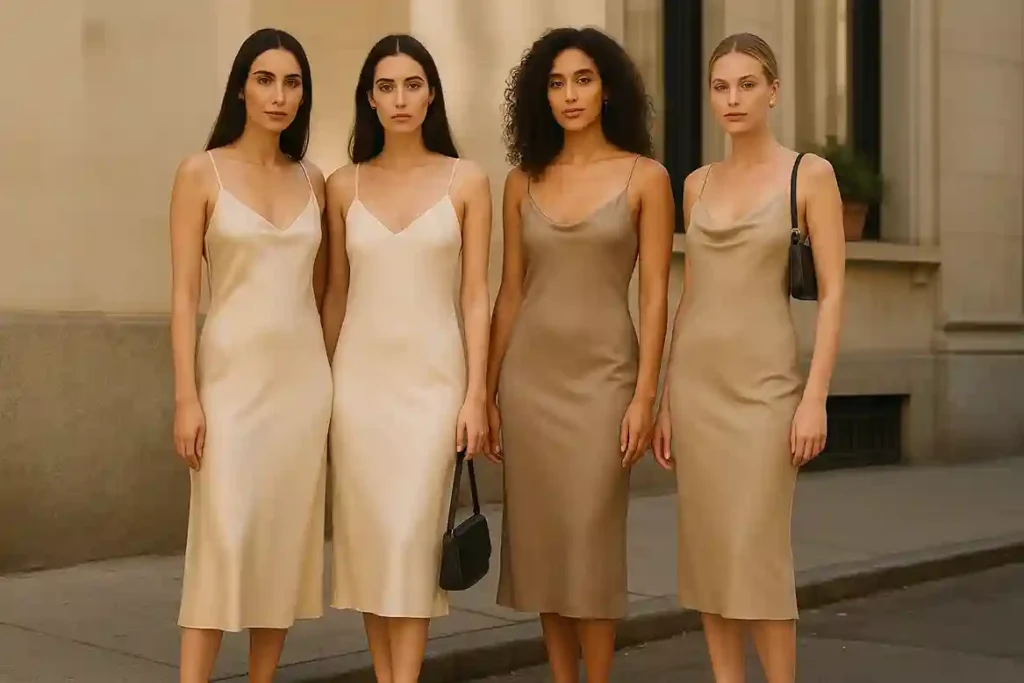
Nothing embodied 1990s fashion minimalism more than the slip dress. Bias-cut silk or satin draped effortlessly, blending comfort with sensuality. Its simplicity made it powerful — one garment, infinite meanings. Supermodels like Kate Moss and Carolyn Bessette-Kennedy turned it into an icon of modern femininity.
Color followed the same discipline. Neutral palettes — ivory, beige, gray, and black — ruled closets. Each hue worked as a statement of calm control. Accessories stayed restrained, letting fabric and form take center stage. Even makeup softened, mirroring the era’s preference for natural tones and quiet radiance.
Gender-Neutral Silhouettes and Relaxed Tailoring
Minimalism also blurred gender boundaries in 1990s fashion. Loose fits, structured blazers, and flowing trousers created balance between masculine and feminine energy. Designers began crafting collections that anyone could wear, regardless of gender. This shift wasn’t just about comfort — it was about liberation. Clothing no longer dictated identity; it expressed neutrality and strength.
Relaxed tailoring added ease to power dressing. Suits lost their stiffness but kept authority. Crisp white shirts, long coats, and simple turtlenecks became timeless essentials, transcending seasons and trends.
The Essence of Power in Restraint
Minimalism turned simplicity into status. It taught that presence could be felt without volume. This form of elegance didn’t demand attention — it earned it through clarity and intention. Every outfit looked effortless yet deliberate, clean yet commanding.
Still, some preferred bold statements over subtle tones. For them, color and print became tools of defiance, giving rise to another wave of expressive style that challenged minimalism’s calm control.
The Rise of Urban Culture in 1990s Fashion
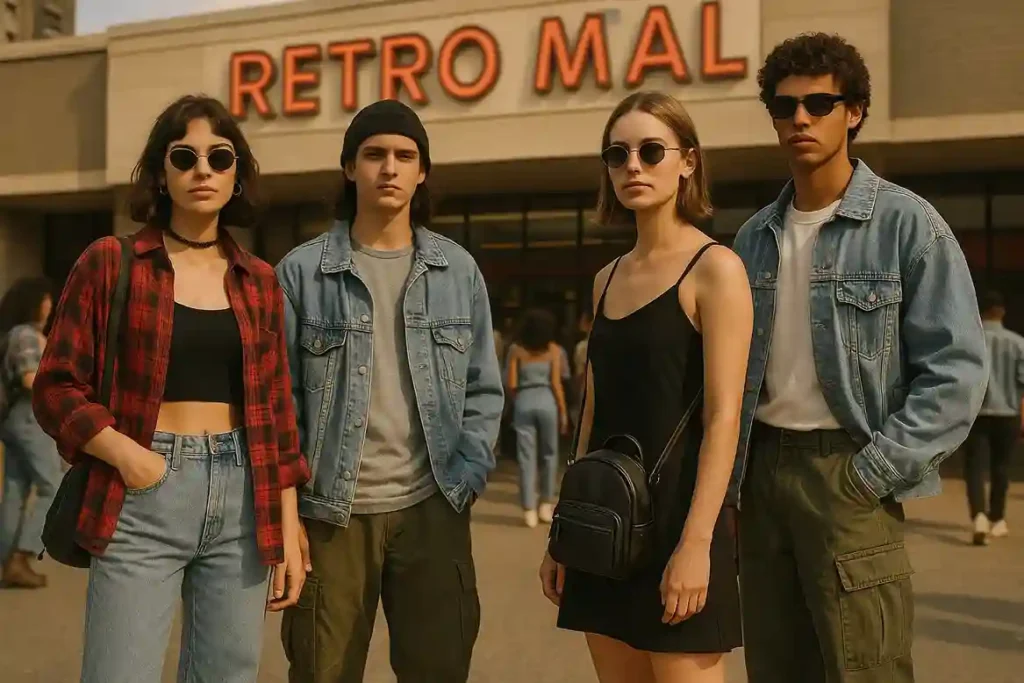
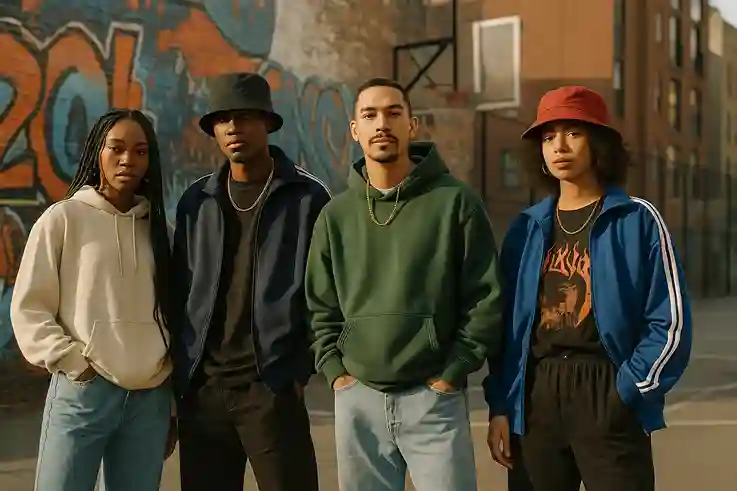
During the 1990s, fashion met the streets and never turned back. Hip-hop and skate culture reshaped how people saw clothing — not just as fabric but as identity. From New York to Los Angeles, neighborhoods turned into fashion incubators. Artists, athletes, and fans influenced trends more than designers. This era gave birth to what we now call streetwear, a style that celebrated confidence, comfort, and community.
The streets became the new runway. Every outfit expressed rhythm and rebellion. Oversized tees, baggy jeans, and statement logos turned personal style into cultural pride. Because of music videos and television, these looks reached mainstream America quickly. Thus, 1990s fashion became a reflection of authenticity — real, bold, and unmistakably urban.
Hip-Hop’s Impact on Streetwear Evolution
Hip-hop didn’t just inspire 1990s fashion — it defined it. Rappers like Tupac, LL Cool J, and Missy Elliott used clothing as storytelling. Through rhythm and rhyme, they made fashion part of identity. Tracksuits, bucket hats, and gold chains symbolized ambition and hustle. Likewise, sneakers became currency of cool, representing success and individuality.
Meanwhile, brands like FUBU, Cross Colours, and Karl Kani built bridges between culture and commerce. Their slogans spoke directly to their communities, while their designs spoke to the world. As their influence grew, major labels such as Tommy Hilfiger and Nike embraced urban aesthetics. Consequently, luxury and streetwear began to merge for the first time.
The Skate Scene and Its Laid-Back Legacy
While hip-hop ruled the airwaves, skate culture dominated concrete. Skaters valued function over flash. They wore loose cargo shorts, graphic tees, and sturdy sneakers for ease and durability. However, their nonchalant attitude soon became a style statement. Brands like Vans and DC turned their utilitarian gear into fashion staples.
Additionally, skateboarding’s DIY spirit paralleled the grunge and punk influences of the decade. Both movements prized authenticity, showing that style could come from subculture rather than couture. Therefore, streetwear grew not from luxury runways but from asphalt, art, and attitude.
Cultural Fusion and Fashion Legacy
By the end of the decade, streetwear stood at the crossroads of sport, music, and media. It democratized 1990s fashion, giving voice to creativity from below rather than above. Even today, its legacy thrives in sneakers, hoodies, and oversized silhouettes that dominate both runways and sidewalks.
Meanwhile, preppy aesthetics offered a sharp contrast — a cleaner, more structured vision of the same decade’s complex identity.
The Preppy Comeback: Ivy League with a Twist
Classic Roots, Modern Revival
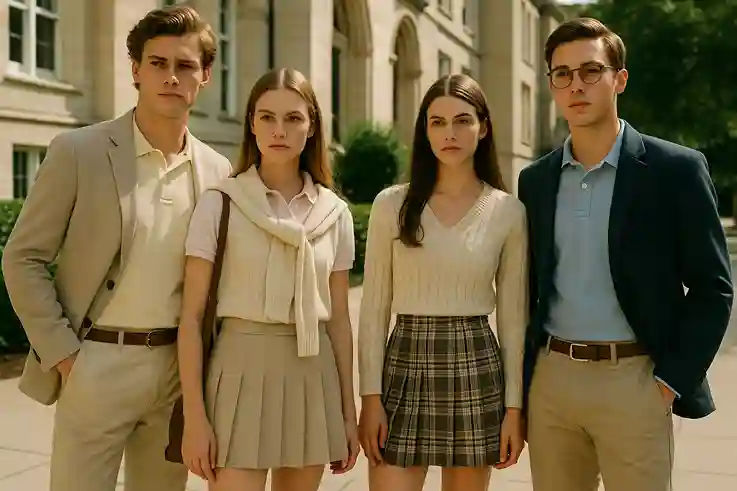
In the 1990s, fashion took a refined turn as preppy style made a confident comeback. This revival borrowed from Ivy League traditions yet added a youthful, modern flair. Polo shirts, pleated skirts, and crisp blazers returned, but they weren’t confined to college campuses anymore. Instead, they appeared everywhere — from city streets to music videos. This version of preppy style wasn’t just about privilege; it was about polish, precision, and playful sophistication.
The movement embraced structure without losing ease. Cable-knit sweaters layered over button-downs created a look both academic and accessible. Matching sets and coordinated colors signaled a new kind of confidence — understated yet expressive. Because of its neat aesthetic and versatility, preppy fashion became a safe but stylish choice for those craving balance after the chaos of grunge.
‘Clueless’ and the Power of Pop Influence
No film captured the 1990s preppy trend better than Clueless. Cher Horowitz and her friends turned schoolgirl fashion into a cultural phenomenon. Their wardrobe — filled with plaid skirts, fitted blazers, knee-high socks, and pastel knits — defined the decade’s take on chic academia. The movie’s smart styling made coordinated outfits feel aspirational yet attainable. Every look felt perfectly planned, and that precision became its own form of status.
Because of Clueless, preppy fashion left classrooms and conquered malls. Young audiences admired how it balanced order with charm. Soon, tartan prints, argyle vests, and matching headbands filled teen closets. The look became iconic because it made structure seem fun — a mix of academic polish and modern rebellion.
Color, Coordination, and Confidence
Color played a key role in this 1990s fashion wave. Bright yellows, bold reds, and soft pinks replaced traditional navy and beige palettes. Outfits felt alive yet controlled. Coordination mattered — from skirt to sweater to handbag, every piece connected neatly. Accessories stayed tidy but expressive: pearls, headbands, and sleek handbags elevated even casual outfits.
Preppy fashion in the 1990s represented control meeting creativity. It proved that neatness could be powerful and personality could shine through precision. While it borrowed from tradition, it reinvented it for a generation unafraid to stand out through order and detail. And of course, pop culture kept everyone watching closely.
Pop Culture Icons Who Defined the 1990s Fashion Scene
The Power of Celebrity Influence
1990s fashion wasn’t shaped in design studios alone — it lived on television screens, concert stages, and magazine covers. Celebrities didn’t just wear the decade’s styles; they defined them. Their influence stretched across continents, guiding what people wore, how they styled their hair, and even how they expressed identity. Every outfit became part of a shared visual language that crossed class and culture.
Television, film, and music became fashion’s new runways. As audiences consumed entertainment daily, they also absorbed style cues from their favorite stars. Because of this close connection, trends spread faster than ever before. The decade turned celebrity visibility into a global force for fashion influence.
Icons Who Set the Tone
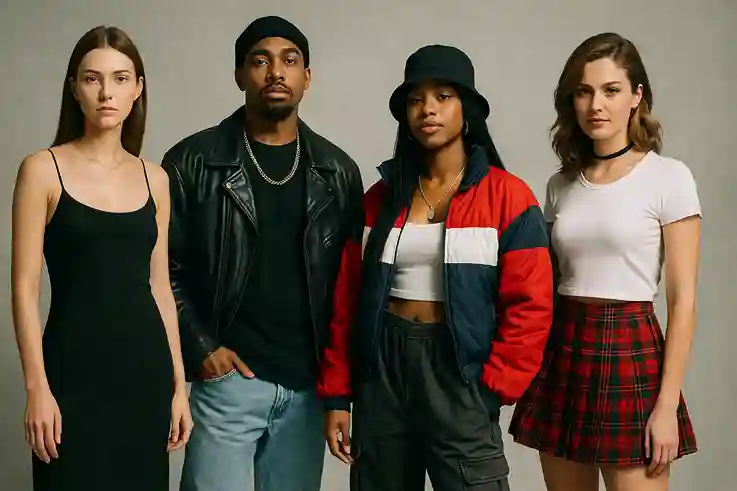
Supermodel Kate Moss led the minimalist movement, embodying effortless cool. Her simple slip dresses, muted tones, and undone hair reflected 1990s fashion’s quiet sensuality. She proved that minimal didn’t mean boring — it meant intentional. Meanwhile, Will Smith brought vibrancy to the decade through his role in The Fresh Prince of Bel-Air. His bold prints, neon colors, and oversized fits celebrated individuality and joy, inspiring countless streetwear looks.
Actress Jennifer Aniston, as Rachel Green in Friends, popularized relatable yet refined style. Her fitted jeans, cropped sweaters, and layered hair made casual elegance the new standard for everyday fashion. At the same time, the music group TLC pushed boundaries with futuristic streetwear — baggy pants, bright colors, and bold accessories — merging empowerment with creativity. Each icon represented a distinct side of 1990s fashion, yet together they built its collective identity.
Television, Music, and Everyday Style
Television shows and music videos became powerful trendsetters. Viewers didn’t just admire their favorite characters or performers — they imitated them. Retailers quickly caught on, translating celebrity wardrobes into accessible collections. Because of this, the gap between pop culture and personal fashion nearly vanished. Style no longer trickled down; it flowed directly from the screen to the sidewalk.
The era’s icons didn’t follow trends — they created them. Whether it was Moss’s minimalism, Smith’s street energy, Aniston’s casual chic, or TLC’s fearless flair, every look reflected freedom and experimentation. Even accessories told stories of individuality.
Accessories that Completed the Look
Defining Details of 1990s Fashion
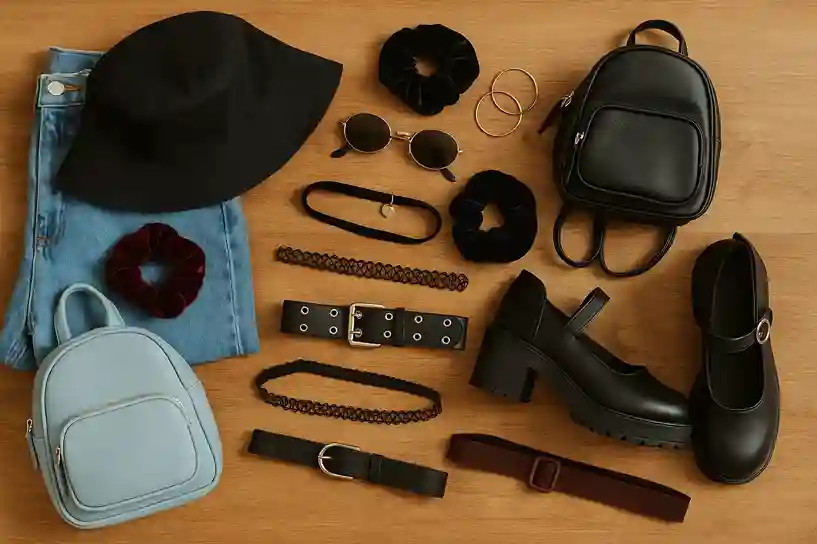
In 1990s fashion, accessories weren’t afterthoughts — they were identity markers. Each piece, from chokers to platform shoes, helped shape the decade’s visual personality. Unlike previous eras where jewelry or bags played supporting roles, the ’90s made accessories central to self-expression. They turned ordinary outfits into statements of confidence, attitude, and belonging. Because trends crossed genres and subcultures, accessories became a shared symbol of individuality.
Chokers: Bold, Rebellious, and Iconic
Few items define 1990s fashion as vividly as the choker. Whether it was a black velvet band, stretchy tattoo design, or silver chain, the choker symbolized edgy rebellion. It balanced sophistication with defiance — delicate yet daring. Worn by pop stars, supermodels, and everyday teens, this accessory carried a subtle message of empowerment. Every choker, regardless of style, gave its wearer a voice without words.
Bucket Hats and Effortless Cool
The bucket hat added a casual, unbothered flair to the decade’s streetwear aesthetic. Popularized by hip-hop artists and skaters, it represented creative nonchalance. Bright colors, bold prints, and reversible designs turned this simple accessory into a fashion staple. It also bridged street and sport culture, making functionality stylish. Because of its versatility, everyone — from rappers to surfers — embraced it as a badge of laid-back cool.
Mini Backpacks: Practical Meets Playful
The mini backpack embodied youthful freedom. Compact yet expressive, it replaced purses for a generation always on the move. Whether leather, nylon, or holographic, it combined practicality with personality. Carried by stars like Jennifer Aniston and featured in countless teen films, the mini backpack became a signature of ’90s casual chic. It reflected a lifestyle focused on independence, fun, and effortless charm.
Platform Shoes: Standing Tall with Attitude
Platform shoes gave 1990s fashion literal and figurative height. From Spice Girls stage looks to rave culture, they symbolized confidence and self-celebration. Chunky soles, bold colors, and exaggerated shapes turned footwear into art. Platforms weren’t just stylish — they were declarations of individuality, inviting wearers to rise above conformity.
Together, these accessories defined an era where small details carried big meanings. They captured the decade’s mix of rebellion, creativity, and freedom. But trends weren’t limited to gendered styles.
Modern Revival: 1990s Fashion Today
Nostalgia Reimagined for a New Generation
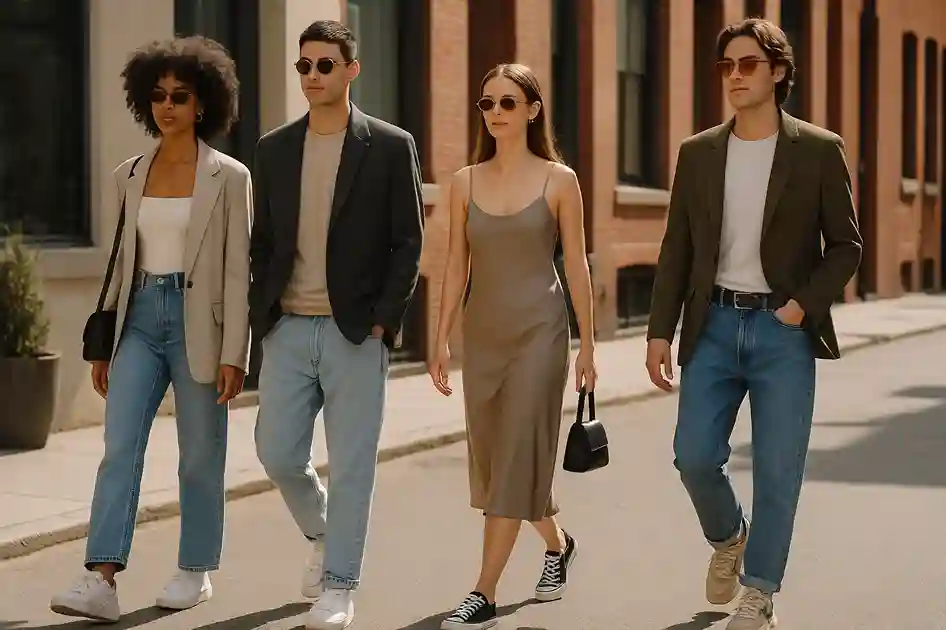
1990s fashion has made a powerful comeback, reimagined through the eyes of Gen Z. What once defined rebellion and self-expression now represents nostalgia, sustainability, and creative identity. Young consumers, inspired by social media and vintage aesthetics, are reviving the decade’s signature looks with a modern twist. Platforms like TikTok and Instagram have become digital runways, where slip dresses, mom jeans, and oversized flannels return to daily rotation. Because the 1990s blended simplicity with attitude, it feels effortlessly adaptable to today’s lifestyle.
The revival isn’t just imitation — it’s interpretation. Modern wearers curate rather than copy. They mix retro pieces with current essentials, layering old-school energy with new-world purpose. This balance keeps 1990s fashion fresh yet familiar, proving that style rooted in authenticity never fades.
Sustainability and the Thrift Revolution
Today’s love for 1990s fashion aligns with a growing commitment to sustainability. Fast fashion fatigue has pushed many toward secondhand shopping and vintage resale. Thrifting isn’t only eco-conscious; it’s emotionally charged. Every thrift find carries a sense of history — a reminder that quality lasts longer than trends. Retro sneakers, denim jackets, and minimalist silhouettes dominate secondhand markets because they withstand time both materially and stylistically.
Moreover, the minimalist values of the 1990s — clean lines, neutral tones, and versatile basics — echo modern sustainable fashion principles. Less truly becomes more. Consumers value fewer, better pieces that express personality without excess.
Fashion Meets Mindful Consumerism
Nostalgia and ethics now walk hand in hand. Rewearing 1990s-inspired clothing reflects more than taste; it signals awareness. Each outfit tells a story of cultural memory and environmental mindfulness. Vintage shops, online resellers, and upcycling designers allow individuality to shine while reducing waste. Because of this cultural shift, 1990s fashion feels both timeless and timely — relevant not only for its aesthetic but also for its values. Clearly, the decade left an enduring legacy.
For credible historical context, refer to research from the Fashion Institute of Technology’s Fashion History Timeline, which offers detailed insights into 1990s fashion trends and cultural influence.
FAQs About 1990s Fashion
Conclusion: The Legacy of 1990s Fashion
1990s fashion continues to shape how the world defines style — effortless, expressive, and endlessly adaptable. The decade balanced rebellion with refinement, proving that individuality always outweighs imitation. From grunge layers to minimalist silhouettes, every trend told a story of cultural transformation. Today, its revival through sustainability, nostalgia, and creative reinterpretation shows just how timeless those choices remain. therefore The 1990s taught us that fashion is not just about what we wear, but why we wear it — a reflection of attitude, freedom, and authenticity that still resonates across generations.
Which 1990s fashion trend still inspires your wardrobe today?
Share your favorite looks or memories in the comments below — let’s relive the decade that defined individuality, confidence, and timeless style together.

Silvia Heart is a lifestyle and wellness writer with a background in apparel and a degree in fashion. She blends creativity with practical insights, guiding readers toward intentional, balanced living. Through her approachable style and thoughtful storytelling, Silvia inspires her community to embrace both everyday joy and personal growth.