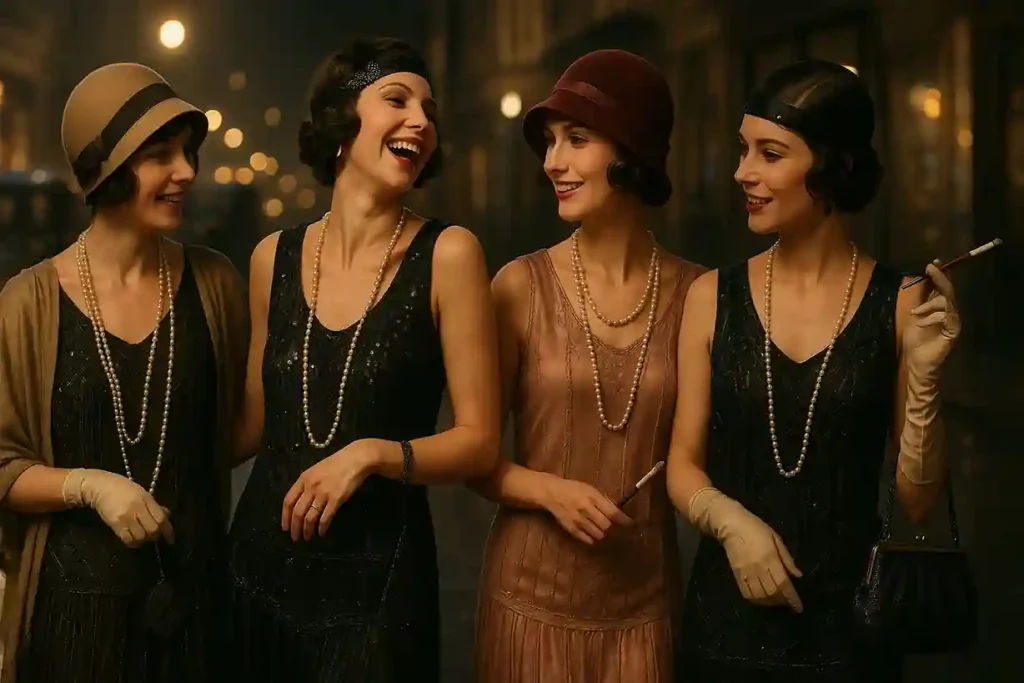
The 1920s fashion women era began a bold shift in how style expressed freedom. After World War I, life changed quickly. Women entered new jobs and earned the right to vote. As a result, their clothing started to reflect independence and energy. Gone were the tight corsets and heavy skirts. Instead, they chose lighter fabrics and straight cuts. Fashion, therefore, became more than clothing—it became a message. Each outfit showed strength and confidence.
At the same time, shorter hemlines and simpler designs made movement easier. Women felt freer, and their style proved it. Because of these changes, elegance gained a new meaning. It was no longer tied to rules or class. Rather, it celebrated comfort and personality. Through each daring look, women declared that they would no longer stay confined. The 1920s turned clothing into courage—and fashion into freedom.
“In the 1920s, women didn’t just change their clothes—they changed the meaning of freedom, one daring hemline at a time.”
How 1920s Fashion Women Redefined Beauty
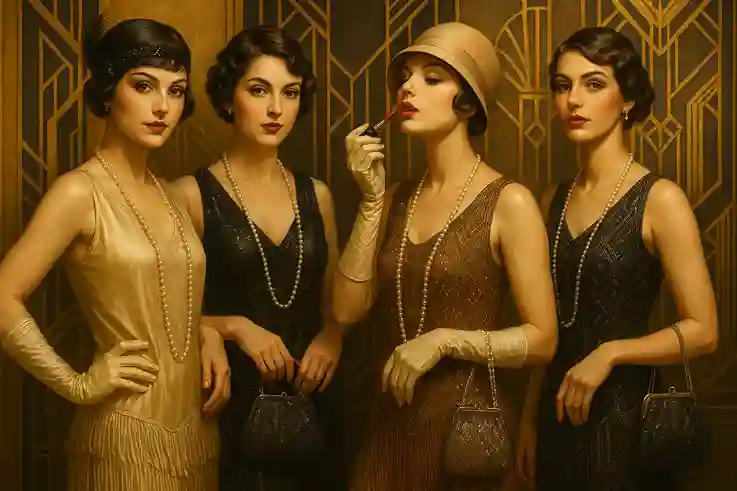
In the early 1920s, women began to cast off the weight of tradition. The 1920s fashion women movement marked a clear break from the past. Corsets, bustles, and stiff layers once shaped a woman’s figure and her identity. Now, freedom replaced restriction. Clothes became lighter, simpler, and easier to move in. For the first time, style reflected independence, not confinement.
The new silhouettes celebrated ease and confidence. Dresses hung straight with drop waists, loose cuts, and shorter hemlines. Each design spoke of movement, not control. Beauty no longer meant curves squeezed into tight fabric. Instead, it came from grace, comfort, and energy. Women walked taller, breathed easier, and looked modern. Their clothing matched their new role in society—active, ambitious, and unafraid to stand out.
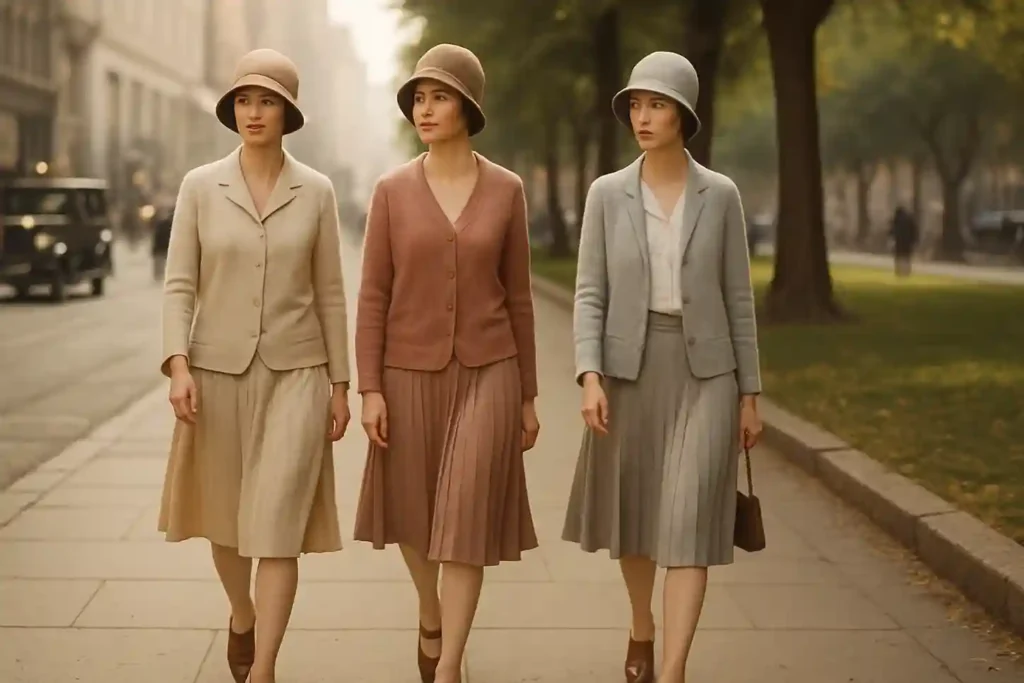
Fashion also revealed social change. Working women wore practical shift dresses, cardigans, and low heels. These clothes suited offices, shops, and classrooms while keeping a smart look. On the other hand, flappers embraced glamour and rebellion. They wore knee-length, beaded dresses that shimmered under jazz lights. With short bobs, dark lipstick, and daring smiles, they danced with defiance.
Each outfit, therefore, carried a message of self-expression. Fashion was no longer decoration; instead, it became a bold declaration of identity. The 1920s fashion women movement clearly showed how style could shape confidence and purpose. Moreover, it proved that freedom could be seen, felt, and proudly worn. Through courage, creativity, and determination, women not only changed fashion but also transformed how the world viewed them.
The Rise of the Flapper Look
The 1920s fashion women movement reached its peak through the rise of the flapper. These daring young women became living symbols of independence, rebellion, and joy. They stood for everything new—modern thinking, fearless expression, and the right to live freely. After World War I, the world wanted energy and excitement. As a result, women embraced bold clothing and carefree lifestyles that matched the rhythm of jazz and the changing times.
The Iconic Flapper Style
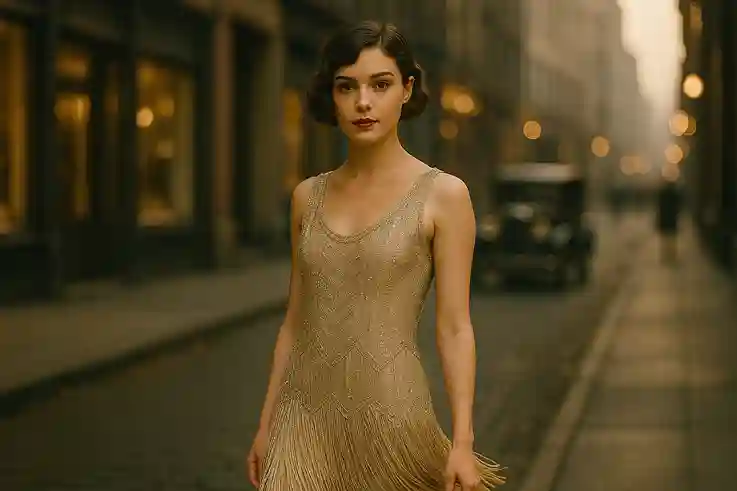
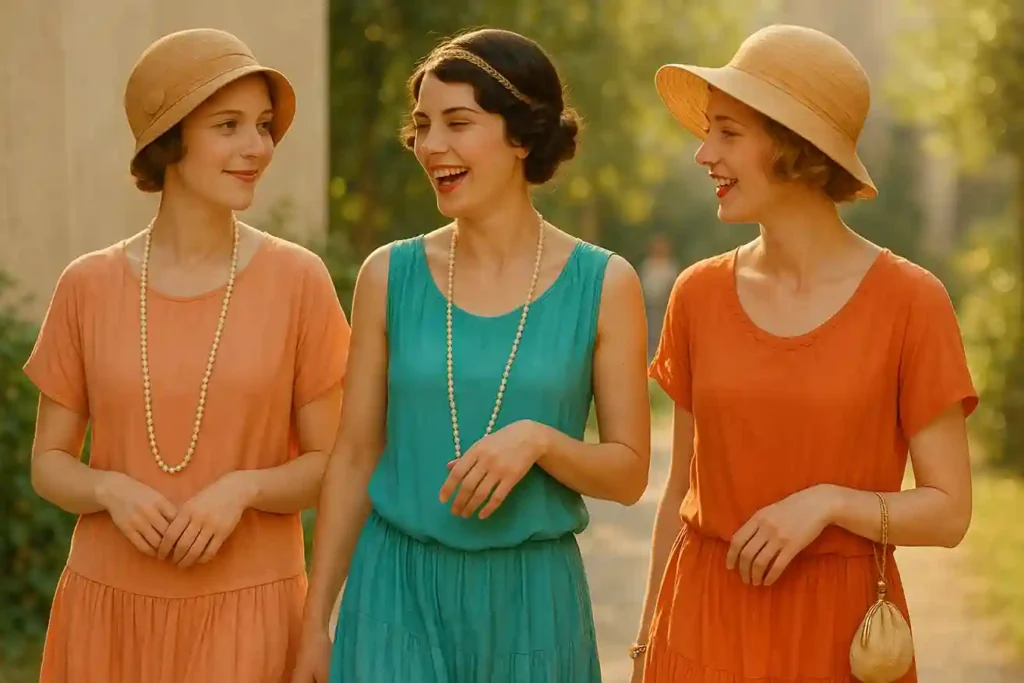
The flapper look broke every old rule. Gone were the long, heavy gowns that restricted movement. Instead, dresses became lighter, shorter, and more expressive. The most striking change came with knee-length hemlines and drop-waist silhouettes, which created straight, fluid shapes. Fabrics shimmered with beads, sequins, and fringe that moved with every dance step. Women cut their hair into short bobbed styles, often sleek or waved, to match the modern spirit. This look was fresh, youthful, and unapologetically bold.
The Jazz Influence
Jazz culture played a powerful role in shaping flapper fashion. Clubs, dance halls, and cabarets filled with lively music inspired equally lively outfits. The syncopated rhythms of jazz mirrored the swing of fringe dresses. Therefore, movement became part of fashion itself. Women didn’t just wear their clothes—they performed in them. The flapper’s style captured the pulse of nightlife, where freedom of movement was as important as beauty. Every beat of jazz encouraged bolder choices and brighter looks.
Accessories That Defined a Generation
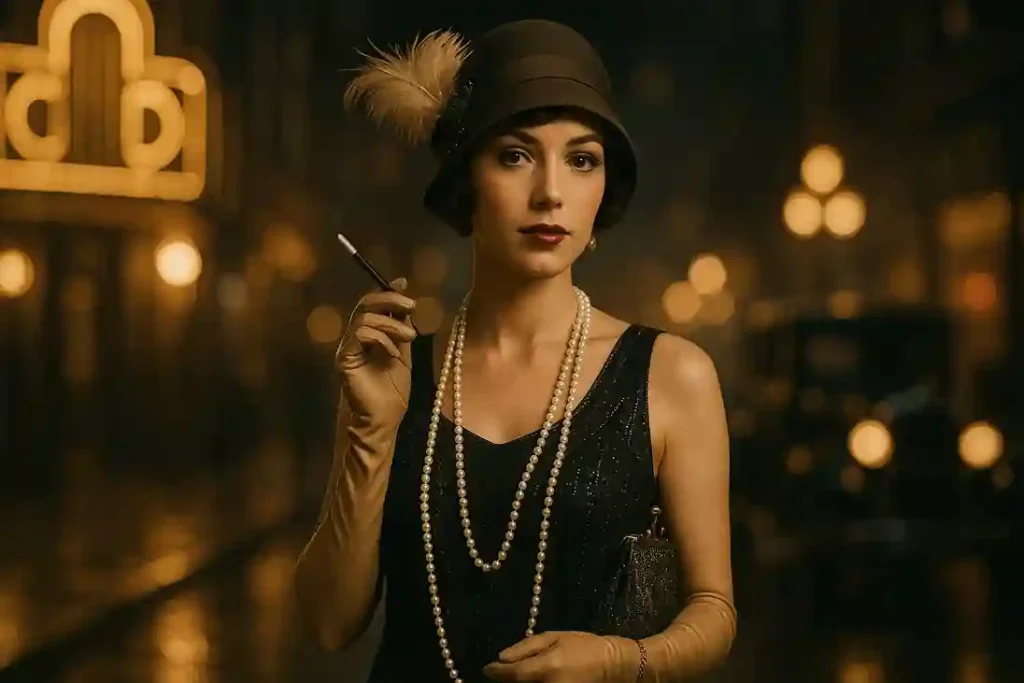
Flappers completed their look with accessories that made strong statements. Long pearl necklaces swung dramatically as they danced, while feathered headbands added flair and fun. Bold lipstick, often in deep red, became a symbol of confidence and defiance. Cigarette holders, cloche hats, and small beaded purses also became fashion staples. These finishing touches showed that elegance could be playful and daring at once
A Lasting Impression
Ultimately, flappers changed the way society viewed women and fashion. Through fearless style, they proved that self-expression could be both beautiful and powerful. The 1920s fashion women movement, led by the flapper, redefined femininity for generations. Even today, the flapper remains an enduring symbol of confidence, creativity, and liberation.
Designers Who Shaped the Era
Behind the transformation of 1920s fashion women, a few brilliant designers reimagined what style could mean. Coco Chanel, Jeanne Lanvin, and Jean Patou each brought a unique vision that reshaped women’s wardrobes. Together, they turned Paris into the world’s fashion capital and gave women clothing that reflected both comfort and confidence. Their designs were not just beautiful—they were practical, modern, and deeply empowering.
Coco Chanel: The Voice of Simplicity and Strength
Coco Chanel became the voice of modern elegance. She believed beauty should feel natural, not forced. Therefore, she replaced heavy corsets with straight cuts and soft fabrics. Her jersey suits and simple dresses allowed movement without losing grace. In addition, her “little black dress” showed that minimalism could be powerful. Every design reflected independence and quiet strength. Through her work, Chanel proved that fashion could be both comfortable and chic.
Jeanne Lanvin and Jean Patou: Grace Meets Motion
Jeanne Lanvin brought romance into modern design. Her gowns, filled with silk and embroidery, felt light yet refined. Meanwhile, Jean Patou gave fashion a sporty, energetic edge. He created clothes for tennis, travel, and leisure that blended beauty with comfort. Consequently, women could live active lives while staying stylish. Together, they balanced elegance with motion, shaping the modern woman’s wardrobe.
Paris: The Heart of Women’s Fashion
Paris became the heartbeat of global fashion. Its ateliers and salons sparked creativity across the world. The city’s energy drew designers and dreamers alike. Furthermore, its influence reached far beyond France, shaping trends in Europe and America. Because of their vision, fashion grew bold and expressive. It also became simpler and freer, much like the women who proudly wore it.
Everyday 1920s Fashion Women Loved
For daily life, 1920s fashion women chose clothes that felt light, simple, and elegant. Daywear became easy to wear and easy to move in. Women loved cloche hats, cardigans, and pleated skirts for both work and leisure. They also picked comfortable shoes with small heels. These new looks offered freedom and grace at the same time. As a result, fashion began to match the fast pace of modern life.
Fabrics That Defined the Decade
Lighter materials replaced heavy ones. Silk, rayon, and velvet grew popular because they felt soft and looked refined. Rayon was especially loved—it was affordable, smooth, and easy to wash. Many dresses also featured checks, florals, or stripes that added personality. Each fabric choice reflected comfort and a sense of quiet luxury.
Style for Everyone
Department stores made fashion easy to access. Ready-made clothing allowed women to dress well without visiting tailors. Because of this, the latest trends reached homes across America. Shopping became fun, social, and empowering. Middle-class women could now enjoy style once reserved for the wealthy.
Individuality in Color and Cut
Women started using color and shape to show personality. Wardrobes filled with pastels, navy blues, and earthy shades. Some preferred straight lines for a modern look, while others added soft details or lace. Therefore, fashion turned into a form of self-expression. Every outfit revealed confidence, freedom, and a touch of individuality.
Evening Glamour and Social Change
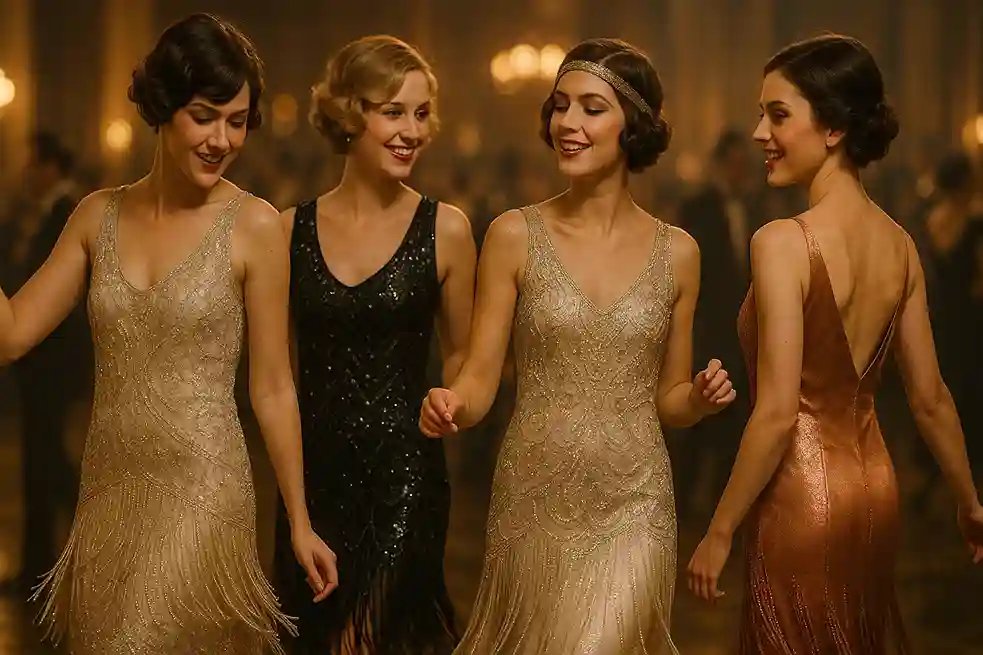
When the sun set, 1920s fashion women transformed into icons of elegance and confidence. Eveningwear became daring, dazzling, and full of energy. Dresses shimmered with sequins, beads, and fringe that caught every light. Fabrics like satin and chiffon moved beautifully with each dance step. The cuts grew bolder—lower necklines, open backs, and shorter hems reflected courage and self-expression. These dresses were not only stylish; they were statements of freedom.
The Influence of Jazz and Dance Halls
The rise of jazz clubs and dance halls shaped how women dressed for the night. Music pulsed with excitement, and fashion followed its rhythm. Women needed clothes that allowed movement, so designs became lighter and looser. The famous fringe dress was born for the Charleston, swaying perfectly with every kick and spin. Therefore, style became part of the performance itself. The lively nightlife encouraged women to dress boldly, act freely, and live with passion.
Fashion as Rebellion and Confidence
Evening glamour carried a deeper message. It showed that women no longer feared judgment or restraint. Sparkling gowns and sleeveless cuts defied old ideas of modesty. Every shimmering bead spoke of power and individuality. Moreover, these looks blurred class lines—any woman could shine if she dared to be seen. Through evening fashion, women expressed their independence and joy for life.
Hairstyles and Makeup of the Era
The look was completed with short, sleek bobbed hair, often styled with waves or finger curls. Bold red lipstick, kohl-lined eyes, and thin brows added drama. Powdered faces glowed softly under dim club lights. Together, these details created a look that defined an era—fearless, elegant, and unforgettable.
Influence of Media and Hollywood
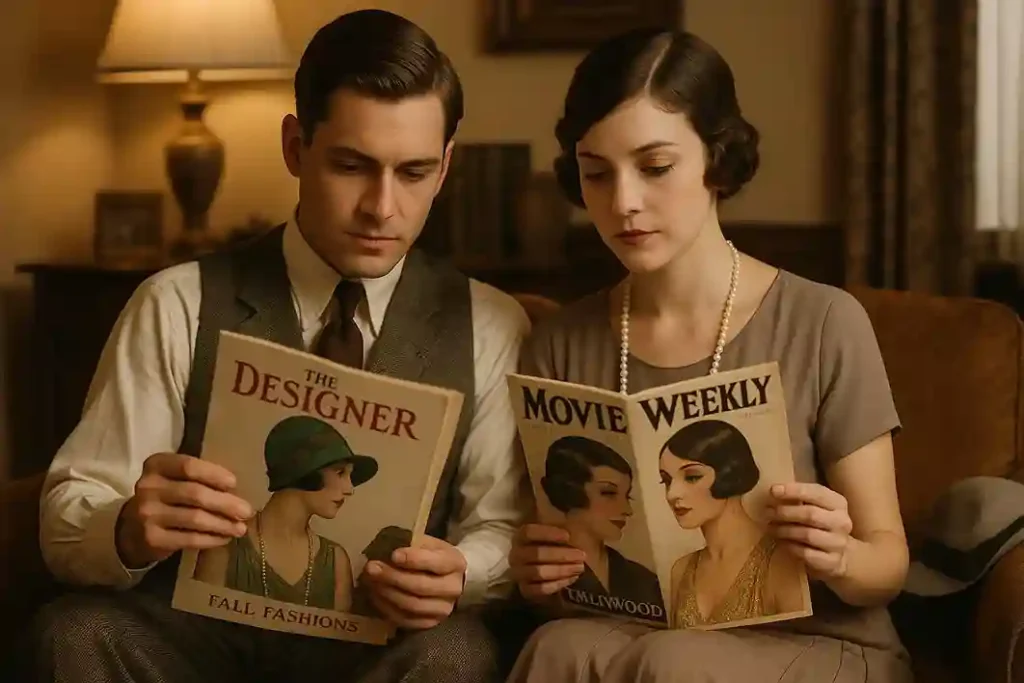
During the 1920s, fashion women turned to Hollywood for new ideas. Films and magazines spread bold images of beauty and confidence. On the screen, actresses moved freely and dressed with flair. Their looks inspired women everywhere. As a result, fashion became part of daily life. Hollywood turned fantasy into reality and changed how women saw themselves.
Stars Who Defined Modern Femininity
Movie stars reshaped what it meant to be feminine. Clara Bow, the “It Girl,” showed that charm could be daring. Her playful attitude and short skirts broke old rules. Louise Brooks, with her sharp bob haircut, added mystery and grace. Her style was clean, strong, and modern. Together, these women proved that beauty could mean independence, not restraint.
Photography and Advertising: Spreading the Look
Photography and advertising made trends spread fast. Magazines such as Vogue and Harper’s Bazaar filled pages with striking photos. Department stores copied these images for windows and catalogs. Therefore, new styles reached small towns as quickly as big cities. Each picture sent the same message—confidence was beautiful, and fashion was power.
The Birth of Imitation Culture
Because of these changes, young women began to copy their favorite stars. They cut their hair, wore lipstick, and dressed with pride. Soon, movie-inspired fashion filled clubs, offices, and streets. Moreover, media helped women express identity through style. With every new look, they discovered confidence, freedom, and joy.
Legacy: Why 1920s Fashion Still Inspires Today
Even after a century, the spirit of 1920s fashion women continues to shape modern style. Designers still draw from the decade’s bold ideas—freedom, movement, and individuality. The straight silhouettes, shorter hems, and relaxed fits that once shocked society now define everyday elegance. Moreover, the 1920s taught the world that comfort and confidence could coexist in women’s clothing. Every new trend in simplicity and ease traces back to that era of change.
Flapper Echoes on the Runway
The flapper’s spirit remains alive on modern runways. Beaded gowns, feather trims, and fringe hems sparkle under bright lights. These looks bring back the joy and rhythm of the jazz age. The bob haircut still signals strength and daring. Many designers now mix vintage details with modern fabrics. As a result, the 1920s influence continues to inspire new ways to express confidence and creativity.
A Foundation for Freedom
The 1920s offered women something new—choice. Clothes no longer defined what they should be. Loose cuts and soft fabrics replaced stiff corsets and long skirts. Bright colors and lighter designs reflected joy and confidence. Therefore, style became personal and expressive. This shift gave women lasting freedom in how they dressed and lived.
A Lasting Revolution
The 1920s fashion women movement did more than change style. It changed how women saw themselves. Fashion became a language of courage and independence. Even today, that message remains powerful. Through daring ideas and timeless designs, 1920s women turned clothing into confidence—and fashion into freedom.
(FAQ) On 1920s Fashion Women
Fashion Institute of Technology (FIT) — “1920-1929 | Fashion History Timeline” — this page covers women’s fashion changes in the 1920s including flappers, drop waists, shorter hems, and the shift toward simpler, freer clothes.
Conclusion: The Era That Empowered Elegance
The 1920s fashion women movement changed more than clothes—it changed lives. This decade turned fashion into a symbol of freedom and strength. Women stopped following strict traditions and began setting their own rules. Shorter skirts, lighter fabrics, and easy cuts gave them comfort and confidence. Each outfit became a small act of independence.
The 1920s also brought courage and creativity together. Designers like Coco Chanel made simplicity elegant, while flappers showed that daring could be beautiful. Every new style told a story of progress and pride. Fashion was no longer just decoration—it was expression.
Even today, traces of that era remain clear. We still see its influence in modern runways and daily wear. Most importantly, we still feel its message: confidence matters more than convention. The women of the 1920s didn’t just change fashion—they proved that elegance begins with freedom.
The story of 1920s fashion women is more than history—it’s a reminder that style can spark change.
Share your thoughts in the comments below. Let’s celebrate how one decade of courage and creativity continues to shape the way we dress and express ourselves today.

Silvia Heart is a lifestyle and wellness writer with a background in apparel and a degree in fashion. She blends creativity with practical insights, guiding readers toward intentional, balanced living. Through her approachable style and thoughtful storytelling, Silvia inspires her community to embrace both everyday joy and personal growth.