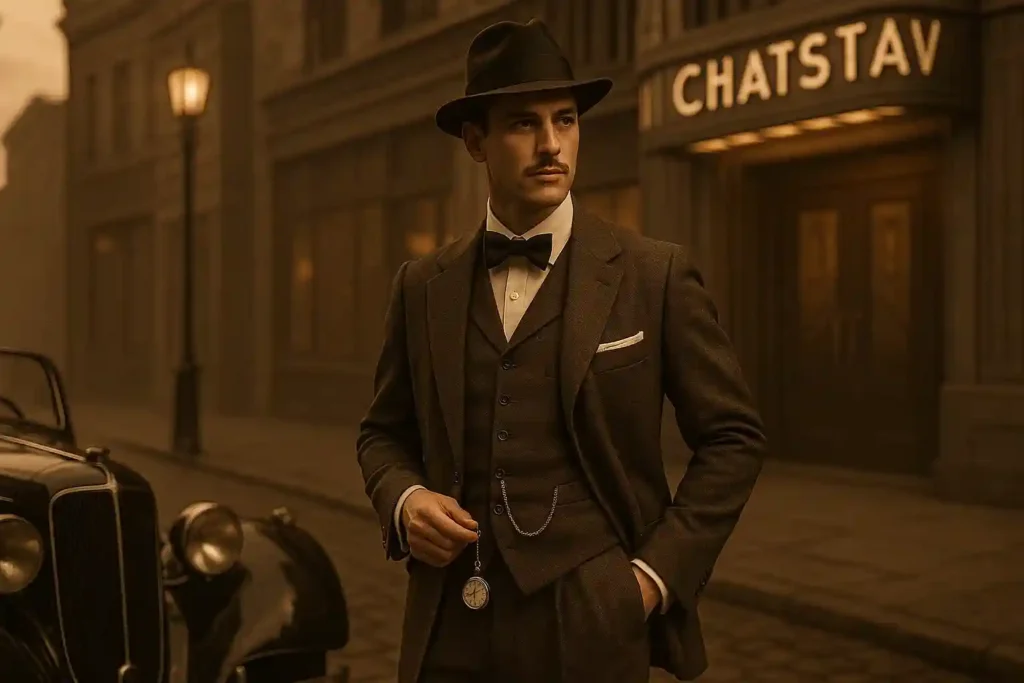
1920s fashion men defined elegance through precision, structure, and quiet confidence. Every outfit carried intention. Each stitch reflected pride. In that decade, men understood that clothing spoke before words did. The suit became more than fabric; it became identity.
The roaring twenties marked a shift from post-war austerity to expressive refinement. Tailored three-piece suits, polished shoes, and slicked-back hair replaced the rough uniforms of the battlefield. Men embraced luxury again—but with restraint. Lines stayed sharp. Colors remained modest. The message was simple: elegance meant control.
Today, the contrast feels striking. Modern fashion favors comfort and convenience—loose fits, sneakers, and digital minimalism. Yet, despite the change, the appeal of that classic era endures. Its structure still inspires designers, stylists, and men seeking timeless confidence.
That enduring pull exists because 1920s fashion balanced grace with strength. Each look carried authority without arrogance. It expressed discipline through detail and charm through subtlety. Even now, those values echo across runways and wardrobes.
So, when we revisit 1920s fashion men, we don’t just copy a look—we revive a mindset. Elegance remains the same: quiet, deliberate, and unforgettable.
What Defined Men’s Style in the 1920s
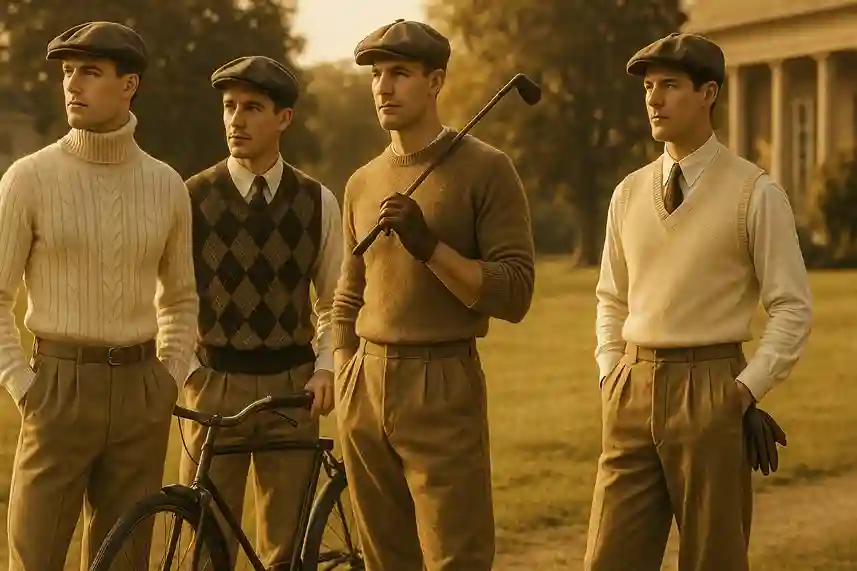
Men’s style in the 1920s reflected discipline, grace, and deliberate simplicity. Structured tailoring shaped broad shoulders and straight lines. Vests held form. Suspenders balanced movement. Shoes gleamed like mirrors. Each element spoke of purpose. Each choice defined status. Men wore suits daily. Each stitch signaled pride.
The end of World War I transformed clothing and spirit alike. Soldiers returned home seeking comfort and expression. Heavy uniforms gave way to lighter fabrics—wool blends, linen, and tweed. The era celebrated freedom, and fashion mirrored that liberation. Men wanted to move easily, dance freely, and live fully. So, fabrics softened. Cuts relaxed slightly. But refinement stayed intact.
City life grew vibrant. Jazz filled smoky rooms. Cocktails replaced rations. The look followed suit—literally. A man’s wardrobe became his social passport. A vest hinted discipline. A pocket watch marked class. Every crease, every fold, every button aligned with precision.
Cultural icons amplified this image. Jay Gatsby, though fictional, embodied the polished dreamer—sharp suit, perfect hair, confident stance. Real-life figures like actor Rudolph Valentino brought that same aura to screen and society.
Through them, the 1920s man learned one truth: elegance wasn’t luxury—it was language. And through that language, he expressed self-respect. His clothing moved with him, never against him. The result was timeless—an aesthetic still admired, studied, and revived today.
“A well-dressed man never shouts his presence. His clothes speak in whispers of confidence and class.”
Key Clothing Pieces That Built the 1920s Look
The 1920s man built his elegance piece by piece. His wardrobe was not excess but precision. Each layer worked together to form order and balance. Through careful design, 1920s fashion men created silhouettes that spoke softly yet carried authority. Every outfit had structure. Every detail had purpose. Together, they shaped a look that remains timeless even today.
The Three-Piece Suit
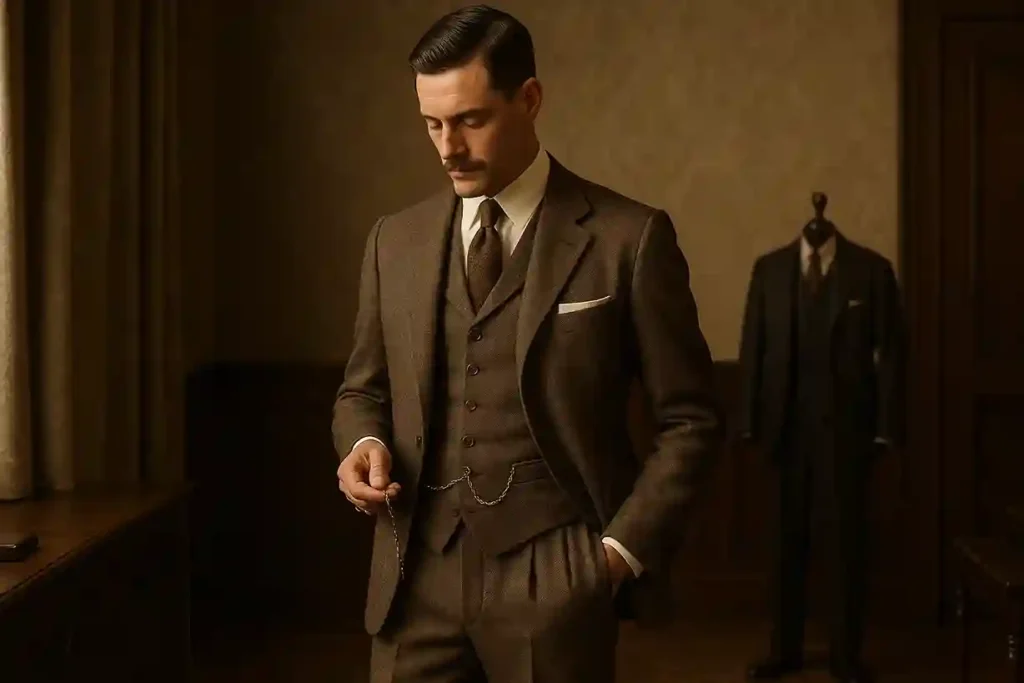
The three-piece suit stood as the cornerstone of 1920s fashion men’s attire. A complete ensemble—jacket, vest, and trousers—formed a uniform of refinement. Most were crafted from tweed, wool, or linen, depending on the season. Tweed offered texture and durability. Wool provided structure and warmth. Linen brought breathability for warmer days. Each fabric spoke its own dialect of class.
The vest gave definition to the torso, reinforcing posture and control. It acted like a sculptor’s frame—tight enough to shape, flexible enough to move. Jackets often featured narrow lapels, slightly shorter lengths, and clean shoulders. Trousers sat high, connecting to the vest without a break. The result was a seamless vertical line that elongated the body.
Colors leaned toward subtlety—navy, charcoal, olive, and brown dominated wardrobes. Patterns like herringbone or pinstripe whispered individuality without breaking composure. Men didn’t seek flash; they sought precision. Modern suits flow. 1920s suits framed. The difference lay in intent. Every crease and stitch carried purpose. The three-piece suit wasn’t mere clothing—it was structure, confidence, and class stitched into form.
Shirts and Collars
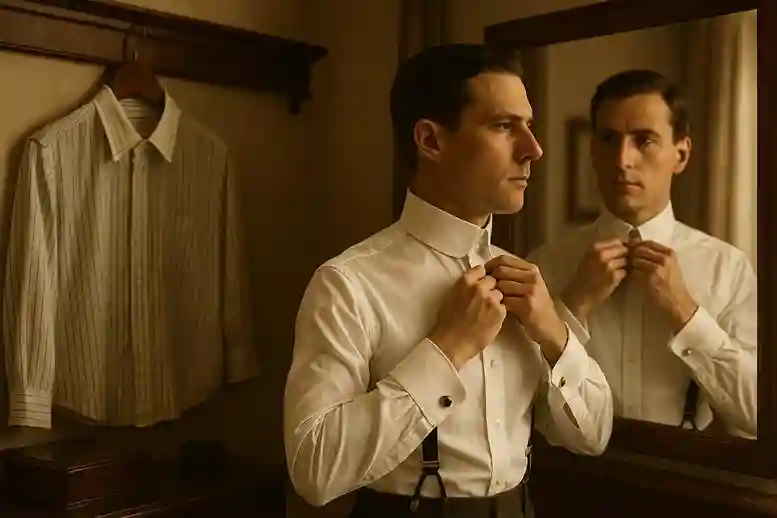
Under the suit, shirts served as the quiet base of refinement. They were crisp, white, and impeccably ironed. Additionally, cotton was the preferred material—soft yet durable. The famous detachable collars stood tall, fastened by metal studs. They emphasized the jawline and posture, drawing attention upward.
Meanwhile, accessories completed precision. Cufflinks caught light like punctuation marks on a sentence. Sleeve garters adjusted sleeve length with understated grace. These details, though small, carried great symbolic weight. They showed patience and pride in presentation.
In many cases, men kept a wardrobe of nearly identical shirts. Consistency reflected discipline. Yet, slight variations in stripe or fabric allowed quiet distinction. The shirt became not only clothing but ritual—care, order, and repetition forming identity.
Even today, crisp collars and fitted shirts echo that legacy. Therefore, modern dressers who value structure still look to 1920s fashion men for guidance.
Trousers and Suspenders
Trousers completed the harmony of the outfit. High-waisted and sharply creased, they shaped a confident stance. Pleats in front allowed movement without breaking symmetry. Furthermore, this design reflected post-war freedom—style made comfortable yet controlled.
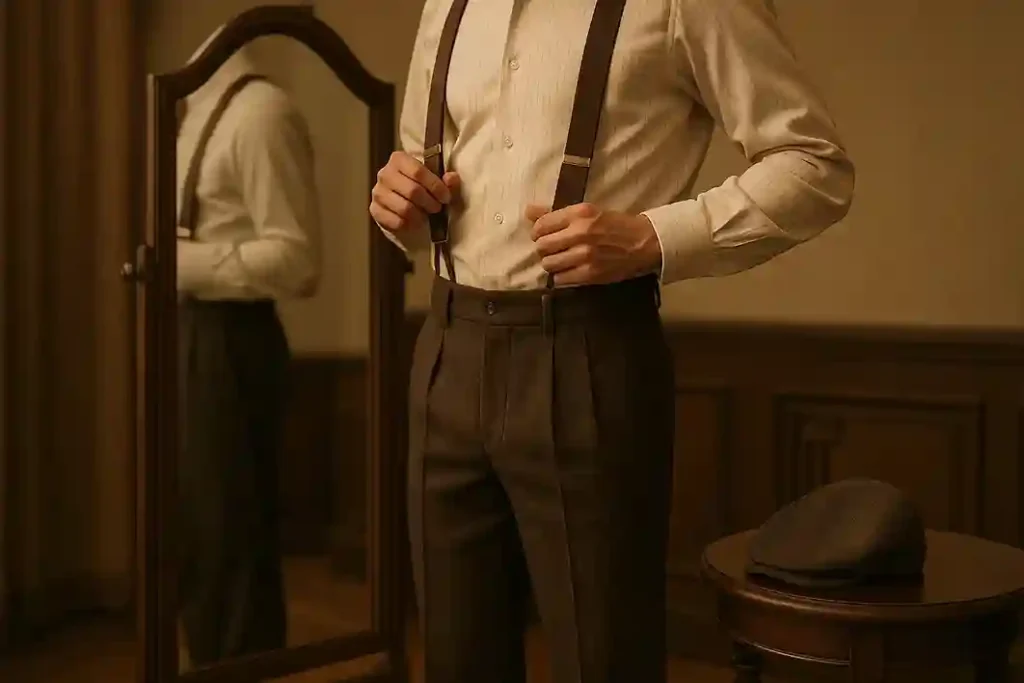
Belts were rare. Suspenders ruled instead. They kept posture straight and lines clean. Meanwhile, suspenders held elegance in place. They replaced bulk with balance and kept the waistline defined.
Fabric varied with weather. Heavy wool guarded against cold, while cotton and linen cooled summer days. Likewise, each crease down the leg spoke care and consistency. As a result, trousers became more than garments—they were signs of order.
Eventually, this structure shaped perception. A man’s appearance projected reliability and command. His clothes did not move loosely—they moved with him, deliberately. Hence, 1920s trousers defined the man as much as the man defined them.
Together, these garments—suit, shirt, and trouser—created harmony. In essence, they transformed fabric into form and style into identity. The result was a timeless expression of discipline, elegance, and enduring sophistication.
Accessories That Completed the Look
Accessories gave the 1920s man his final layer of distinction. They were not decorations but extensions of discipline. Every piece worked in harmony with the tailored suit. Together, they shaped a complete picture of refinement, confidence, and subtle charm.
The Power of Hats
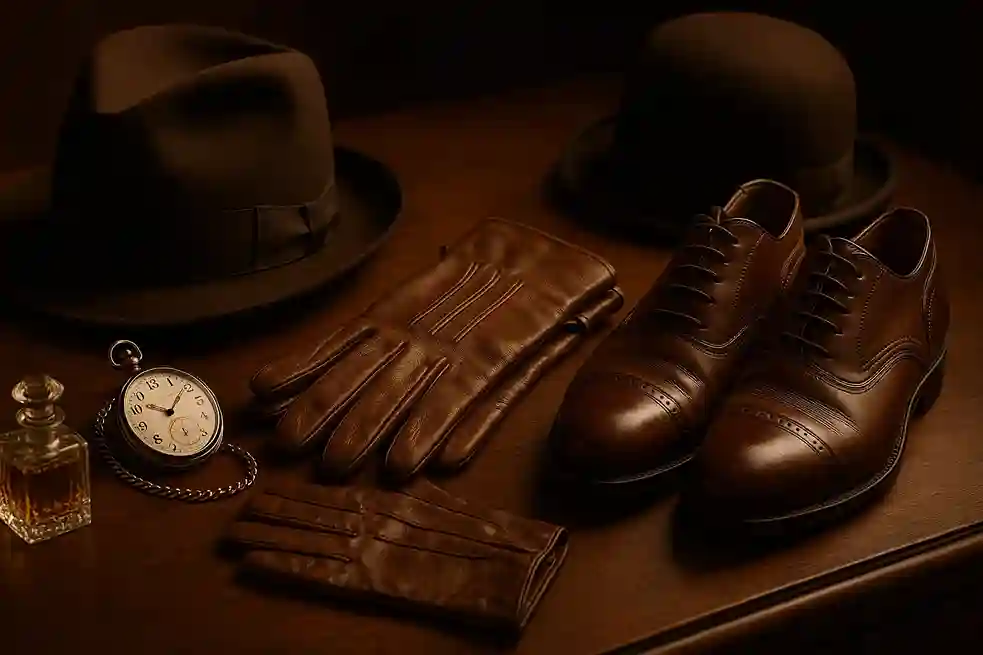
Hats defined identity in 1920s fashion men. A man without one felt unfinished. The fedora led the trend—broad-brimmed, slightly tilted, and structured with quiet authority. It framed the face and shaded the eyes, adding mystery and control.
Meanwhile, the newsboy cap served casual moments—morning errands, drives, or jazz evenings. It spoke ease without losing polish. Hat tipped. Watch gleamed. Confidence spoke. That motion became a symbol of respect and poise. Moreover, the way a hat was worn revealed personality. Straight suggested precision. Tilted meant charm. Worn with confidence, it turned presence into power.
The Pocket Watch and Its Ritual
The pocket watch was elegance in motion. Resting in the vest pocket, it connected fashion to time and structure. Chains looped neatly across the chest, linking function to form. In many cases, watches were heirlooms, passed through generations. They held memory as much as utility.
Checking the time became a quiet performance—deliberate, unhurried, graceful. Furthermore, that gesture reflected discipline. It showed a man who valued order and moments equally. Every glance at the watch reinforced his control over time, not surrender to it. Thus, the pocket watch transformed practicality into poise. It became the heartbeat of 1920s style.
Gloves, Shoes, and Scent
Leather gloves represented polish. They fit snugly, softened with wear, and spoke refinement. When removed, they folded neatly—never tossed aside. Gloves taught patience and care. Likewise, shoes mirrored that same respect. Highly polished oxfords or brogues anchored the outfit, reflecting light and effort. Each step sounded measured and assured.
In addition, scent completed the man’s presence. Subtle perfumes—often sandalwood, tobacco, or musk—added quiet sophistication. The aroma lingered softly, never overbearing. It moved as he moved—graceful, memorable, complete. Consequently, these finishing touches defined balance. The hat shaped presence. The watch marked precision. The gloves and shoes grounded grace. Together, they turned attire into art. The 1920s man knew one rule: elegance isn’t seen—it’s sensed
Modern Ways to Recreate 1920s Fashion Men Style
The elegance of 1920s fashion men can still thrive today. Modern tailoring and subtle detail bring that timeless charm into contemporary wardrobes. The goal isn’t to costume yourself—it’s to echo the spirit of refinement, balance, and confidence that defined the decade.
Start with Vintage-Inspired Tailoring
Begin with well-fitted tailoring. Look for U.S. boutiques that specialize in heritage or retro menswear. For example, brands that reproduce 1920s patterns in modern fabrics capture the era’s geometry without stiffness. Tweed and wool still set the tone, but lighter blends allow comfort. Meanwhile, small details—vests, cuffed trousers, and double vents—restore the period’s polish.
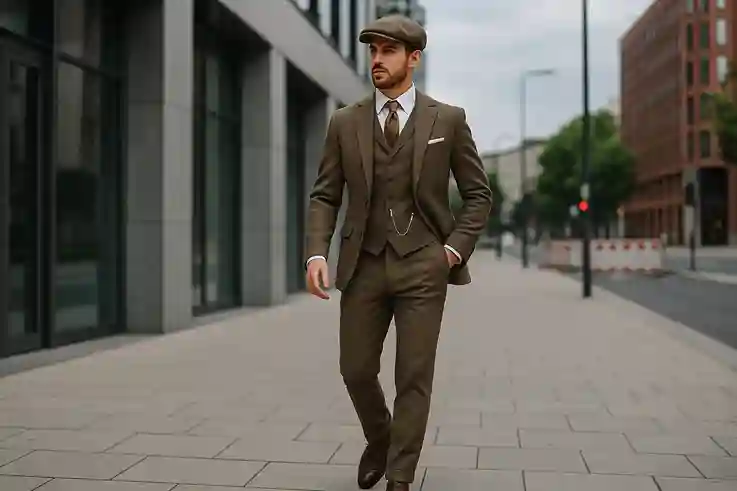
Layer carefully. Match tones. Avoid excess. These short rules reflect the 1920s mindset. Structure should lead; fabric should follow. Choose a jacket that hugs the shoulders yet allows movement. Keep lines vertical and clean. The result feels composed, not constrained.
Build the Look with Balanced Colors and Textures
Neutral shades—charcoal, beige, navy, and brown—create harmony. Additionally, soft textures like herringbone or brushed wool introduce depth without noise. As a result, the outfit carries quiet power. Modern cuts ensure flexibility, while classic fabrics sustain dignity.
For easy pairing, try this: tweed jacket + slim trousers + pocket square. The look recalls 1920s formality but remains city-smart today. Alternatively, suspenders with a white shirt and oxford shoes express heritage through subtle balance.
Finishing Touches that Speak Refinement
Add a silk tie or patterned handkerchief for vintage precision. Furthermore, consider a flat cap or slim fedora to frame the face. Keep accessories few and deliberate. In essence, style should whisper, not shout. When you wear 1920s fashion men elements with intention, you blend eras seamlessly. The charm of yesterday lives easily within today’s rhythm. Elegance doesn’t expire—it evolves through those who choose it.
Grooming and Hairstyles That Matched the Era
In 1920s fashion men, grooming completed the look as much as clothing did. Appearance spoke discipline. Clean lines and precise styling framed confidence. A man’s hair, mustache, and scent all worked together to express refinement.
The Iconic 1920s Hairstyles
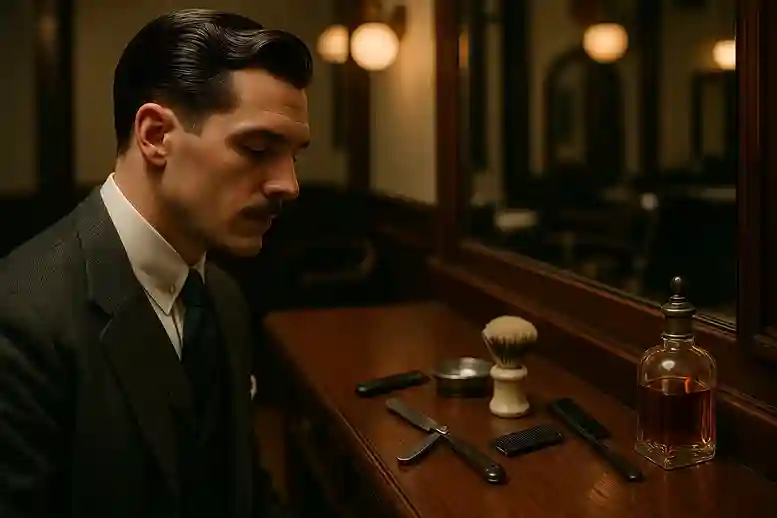
Hair in the 1920s mirrored the era’s structure—controlled, polished, and purposeful. Slicked-back and side-part styles ruled the decade. Typically, men used oil-based pomades to achieve that glossy, sculpted look. The result felt timeless. The hair stayed smooth, the shape remained sharp. Hair shined. Face clean. Style complete. Moreover, the part itself mattered. A defined side part suggested precision. A slightly softer center part signaled creativity. Meanwhile, barbers perfected fades and trims weekly, keeping every strand in order. Grooming wasn’t vanity; it was ritual.
Shaving and Facial Hair
Clean-shaven faces dominated 1920s fashion. A smooth chin reflected modernity and freshness. However, some men preferred a neat mustache—thin, trimmed, and meticulously shaped. It paired well with formal wear and added mature sophistication.
Shaving routines were deliberate. First, men softened their beards with hot towels. Then, they used straight razors and rich lather soaps for precision. Finally, aftershave completed the process with a light scent—lavender, musk, or sandalwood.
The Complete Presentation
Grooming went beyond hygiene. It reinforced control. Additionally, it reflected pride in self-maintenance and respect for others. Shoes shined. Hair styled. Nails trimmed. Everything connected.
In essence, the 1920s man understood that elegance began at the mirror. A polished appearance wasn’t excess—it was language. His style told the world, I care enough to refine myself daily.
Learn more about historic American fashion at the U.S. National Archives.
Style Tips: Bringing Vintage into Everyday Wear
The charm of 1920s fashion men lies not in replication but adaptation. Modern wardrobes can carry vintage sophistication without losing relevance. The secret rests in balance—mixing heritage with ease, structure with comfort.
Blend, Don’t Costume
Incorporating 1920s elements works best when you focus on subtlety. Mix one signature piece from the era with modern staples. A tweed vest pairs beautifully with slim chinos. A pocket square adds instant depth to a contemporary blazer. Likewise, suspenders can replace a belt for visual interest and posture.
However, avoid head-to-toe vintage unless attending a themed event. The goal isn’t imitation—it’s inspiration. Instead, let a single garment hint at the past. The rest should ground the outfit in the present. This balance keeps elegance natural and wearable.
Structure Without Stiffness
The 1920s valued geometry and clean form. Therefore, keep silhouettes sharp but breathable. Tailored fits replace oversized cuts, while soft shoulders modernize the classic frame. Choose neutral tones—navy, charcoal, cream—for flexibility.
Meanwhile, textures like herringbone, wool, and linen maintain vintage character. Layer light fabrics over firm ones for depth and dimension. Layer carefully. Match tones. Avoid excess.
Details That Keep the Spirit Alive
Style lives in detail. A polished pair of brogues, a vintage watch, or a structured hat can complete the look. Add a dab of subtle cologne to finish the aura. Still, the spirit remains alive in the details. Elegance doesn’t require excess—it requires intention. When modern design meets 1920s craftsmanship, something timeless emerges. Ultimately, the best tribute to that era isn’t costume—it’s confidence.
FAQ About 1920s Fashion Men
Conclusion: Why Elegance Never Fades
The legacy of 1920s fashion men endures because it transcends trend. The era understood that elegance is not decoration—it is discipline expressed through form. Every suit, shoe, and strand of hair reflected pride in detail. Each decision—measured, deliberate, complete—transformed simple clothing into quiet power.
Moreover, that mindset still inspires. Modern fashion often pursues comfort or spectacle, yet the balance of the 1920s offers something deeper. Structure met freedom. Formality met ease. Men dressed not to impress others, but to honor themselves. As a result, their presence carried weight before a single word was spoken.
Today, the same principle applies. Tailoring remains a language of respect. Neutral tones and clean lines still command attention. Hat tipped. Watch gleamed. Confidence spoke. The message remains timeless. Meanwhile, subtle accessories, polished shoes, and gentle scent remind us that refinement lives in the smallest choices.
In essence, reviving this style isn’t nostalgia—it’s awareness. It’s the recognition that true elegance begins with care and ends with composure. Therefore, when you wear even one piece inspired by the 1920s, you carry forward a century-old conversation between confidence and craft.
Elegance never fades—it evolves. It waits quietly in the details, ready to reappear through those who value its strength.
Which element of 1920s fashion men would you bring back into your wardrobe—hats, vests, or timeless shoes?
Share your thoughts in the comments below and let your own elegance inspire others.

Silvia Heart is a lifestyle and wellness writer with a background in apparel and a degree in fashion. She blends creativity with practical insights, guiding readers toward intentional, balanced living. Through her approachable style and thoughtful storytelling, Silvia inspires her community to embrace both everyday joy and personal growth.